Table of Contents
- Introduction to Event-Driven Design
- What is AsyncAPI?
- The Core Concepts of AsyncAPI
- Why Use AsyncAPI for Your Systems
- Comparing API Communication Models
- Designing Your First AsyncAPI Specification
- Key Elements of AsyncAPI Documents
- Standardizing Message Payloads
- Integrating AsyncAPI into Your Workflow
- AsyncAPI vs OpenAPI
- Best Practices for Event-Driven APIs
- Common Pitfalls to Avoid
- Conclusion
Introduction to Event-Driven Design
Modern software architecture is moving away from purely synchronous request-response patterns. Developers now favor systems that react to changes in real-time through messages and events. This shift requires a robust way to define how different services communicate without being tightly coupled.
As you build these complex systems, clarity becomes the biggest challenge. Without a shared contract, teams struggle to understand which messages are published and who consumes them. This is where AsyncAPI becomes an essential tool for your development process.
What is AsyncAPI?
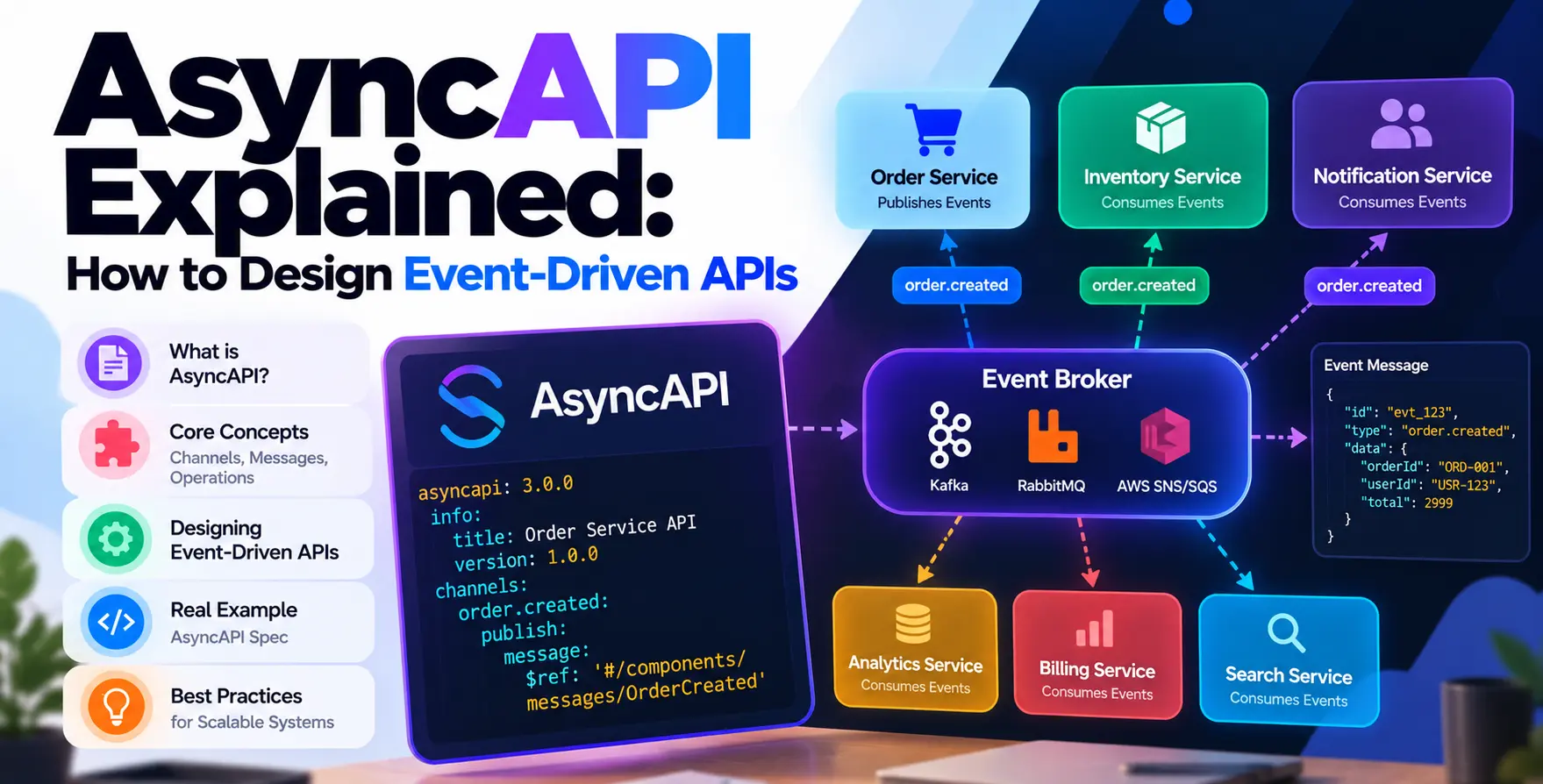
AsyncAPI is an open-source initiative that provides a standard way to define message-driven APIs. It functions similarly to how OpenAPI describes RESTful interfaces, but it is specifically tailored for asynchronous communication. By utilizing this specification, you can create a machine-readable document that details your entire messaging architecture.
The primary purpose of AsyncAPI is to help developers document, test, and generate code for their event-driven services. It covers various protocols like Kafka, RabbitMQ, MQTT, and WebSockets. When you have an AsyncAPI event-driven architecture in place, you remove the guesswork from system integration.
- Provides a standardized message schema
- Supports multiple messaging protocols
- Enables automated code generation
- Improves cross-team collaboration
The Core Concepts of AsyncAPI
At its heart, AsyncAPI revolves around the concept of channels and messages. A channel represents the path where data flows, often referred to as a topic or an exchange. Messages define the structure and content of the data being transmitted across these channels.
You must also define servers to tell consumers where to connect. These servers include the host URL, protocol, and security requirements needed for a successful connection. By structuring these components, you create a clear map of your event-driven API interactions.
- Servers define connection endpoints
- Channels represent communication pathways
- Messages define data payloads
- Operations describe publish or subscribe actions
Why Use AsyncAPI for Your Systems
Adopting a standard for your messaging layer brings immediate benefits to engineering velocity. It creates a single source of truth that everyone on the team can reference. This documentation is not just for humans; it is designed to be parsed by machines for validation and tooling.
Furthermore, it simplifies the onboarding process for new developers. Instead of digging through code to understand which events a service emits, they can simply consult the AsyncAPI file. This transparency drastically reduces integration errors and communication overhead between microservices.
- Reduces system integration bugs
- Provides clear developer documentation
- Enables contract-based development
- Supports automated testing workflows
Comparing API Communication Models
| Feature |
REST API |
Event-Driven API |
| Pattern |
Request-Response |
Publish-Subscribe |
| Coupling |
Tight |
Loose |
| Timing |
Synchronous |
Asynchronous |
| Scaling |
Vertical or Horizontal |
Highly Scalable |
| Discovery |
OpenAPI |
AsyncAPI |
Designing Your First AsyncAPI Specification
Starting with AsyncAPI requires you to think about your events as first-class citizens. Before you write a single line of code, draft your specification to define the intended behavior of your services. This approach aligns perfectly with the principles of api first development, ensuring your design is validated before implementation.
Begin by defining your servers and the protocols they support. Next, map out your channels and identify which services will publish events and which will subscribe to them. This planning phase prevents architectural drift as your system grows in complexity.
- Identify your event triggers
- Define your message schemas
- Document channel expectations
- Validate against the schema
Key Elements of AsyncAPI Documents
Server Definitions
Your server block must include the base URL and the security protocols. It tells your consumers exactly where to listen for incoming data streams.
- Host address details
- Protocol configuration
- Security schemes
- Authentication requirements
These details ensure that your infrastructure remains secure while allowing authorized services to connect easily.
Channel Specifications
Channels are the conduits for your messages. You must explicitly label them as publish or subscribe operations to clarify service responsibilities.
- Unique channel identifiers
- Directional flow indicators
- Protocol-specific settings
- Description of events
Proper channel naming conventions help maintain readability as your event-driven API ecosystem expands.
Standardizing Message Payloads
Consistency is vital when dealing with high-volume data streams. Use JSON Schema within your AsyncAPI files to enforce strict data structures for every message. This prevents consumer applications from crashing due to unexpected field types or missing data.
By defining your schemas clearly, you can automatically generate client libraries in various programming languages. This automation saves hours of manual work and ensures that your producers and consumers are always in sync. Never rely on tribal knowledge to manage your data contracts.
- Enforce strict data types
- Require mandatory fields
- Include descriptive field documentation
- Reuse common component schemas
Integrating AsyncAPI into Your Workflow
To get the most out of your documentation, integrate it directly into your CI/CD pipeline. Use validation tools to ensure every pull request adheres to your defined AsyncAPI standard. This prevents breaking changes from ever reaching your production environment.
You can also use these documents to generate mock servers for local development. This allows your frontend and backend teams to work independently without needing the full infrastructure to be running. It is a powerful way to accelerate your api development cycles.
- Automated schema validation
- Continuous integration checks
- Mock server generation
- Client SDK publishing
AsyncAPI vs OpenAPI
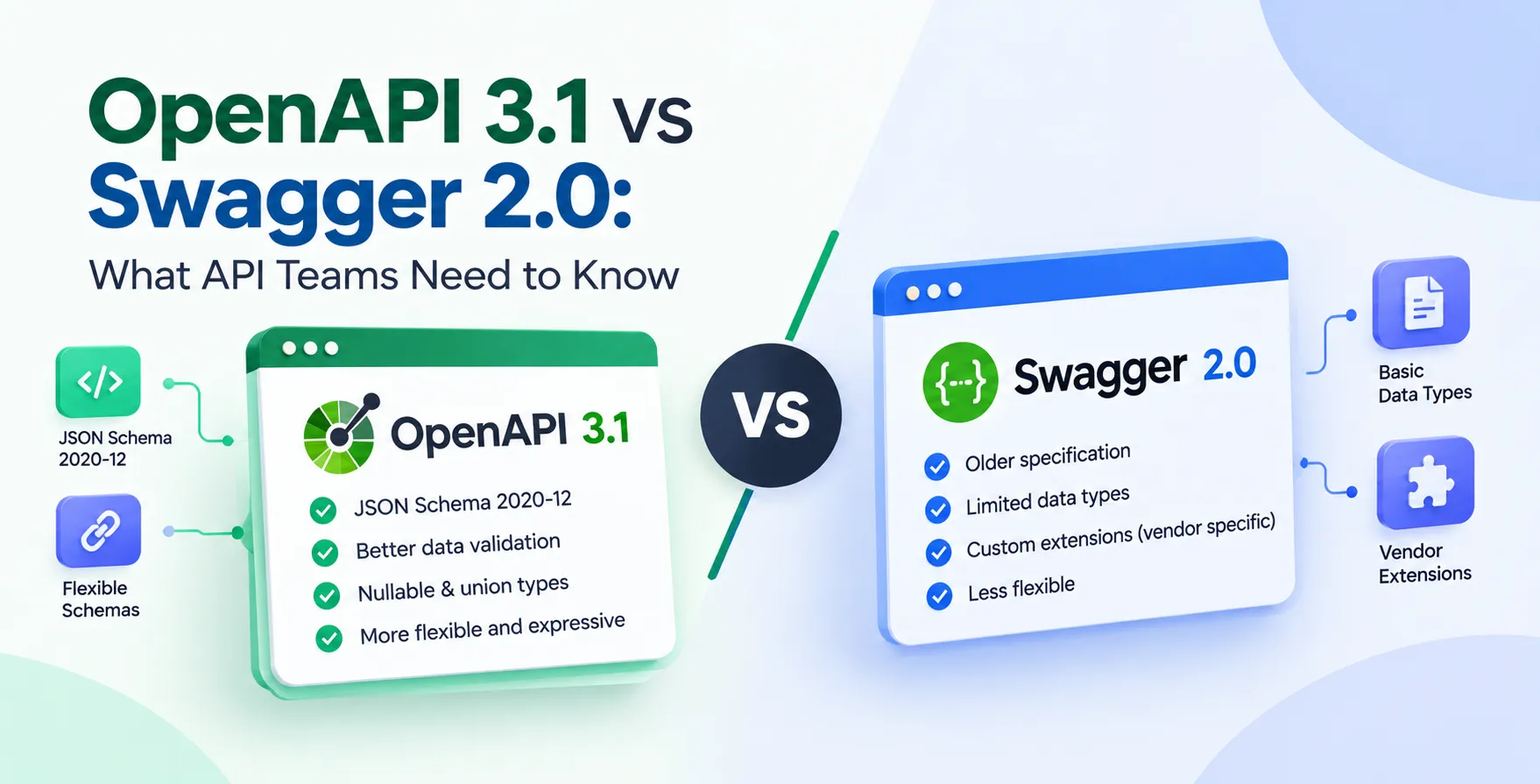
Many developers are already familiar with OpenAPI for managing RESTful services. While they share similar YAML or JSON structures, they serve different architectural needs. OpenAPI is built for request-response cycles, whereas AsyncAPI is built for stream-based event processing.
If your application requires both paradigms, you should maintain both types of specifications. Do not try to force an event-driven system into a REST-based documentation format. Using the right tool for the job prevents technical debt and keeps your system documentation clean and accurate.
- OpenAPI for REST APIs
- AsyncAPI for event streams
- Shared syntax structure
- Complementary documentation strategies
Best Practices for Event-Driven APIs
Keep your events granular to ensure maximum flexibility for your consumers. A single large event that contains too much information is often harder to process than several smaller, specific ones. This modularity allows services to subscribe only to what they actually need.
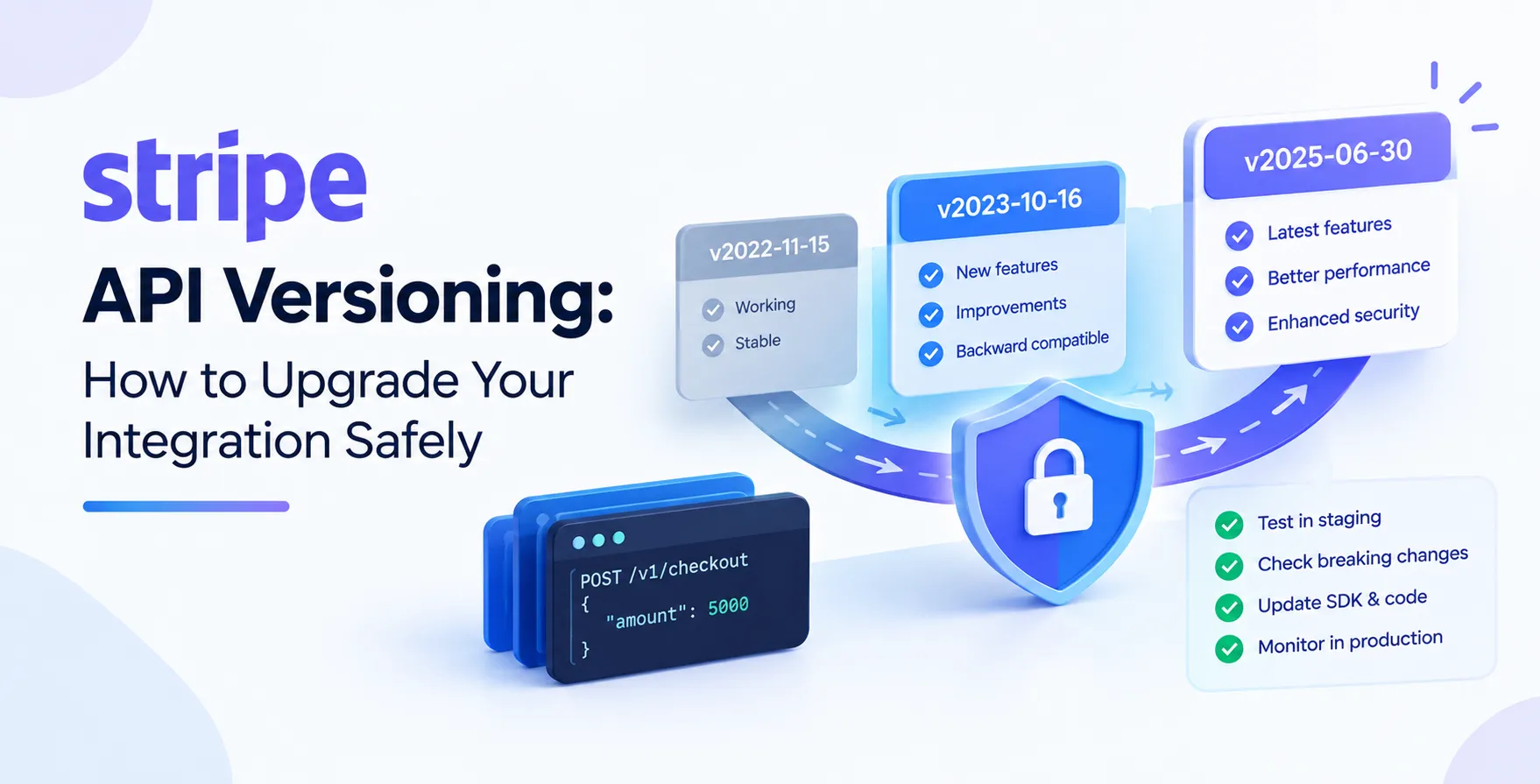
Always include a versioning strategy in your message headers or schemas. As your business logic evolves, your events will need to change. Planning for backward compatibility early on will save you from painful migrations down the line.
- Keep event schemas lightweight
- Implement clear versioning
- Use meaningful event names
- Document failure scenarios
Common Pitfalls to Avoid
Avoid the temptation to ignore documentation until the end of your project. An undocumented event-driven system becomes a black box that is impossible to debug during production outages. Start your documentation process during the initial design phase to avoid technical debt.
Another common mistake is failing to secure your event bus. Treat your message streams with the same security rigor as you would a public API. Use proper authentication and encryption to protect sensitive data as it travels across your infrastructure.
- Documentation drift
- Lack of message security
- Hidden event dependencies
- Ignoring schema evolution
Conclusion
Designing event-driven systems requires a shift in how you think about communication and data contracts. By adopting AsyncAPI, you gain a powerful way to manage the complexity of asynchronous interactions. It turns your architecture from a collection of loosely connected services into a well-documented and predictable ecosystem.
Invest the time to master these standards and watch your team's productivity improve. When you have a clear contract for every message, you can innovate faster and build more reliable systems. Start implementing these practices today to build a more resilient API infrastructure.


 In collaboration with