Table of Contents
- Introduction to API-First Development
- What is API-First Development?
- Benefits of API-First Development
- API Design Best Practices
- Custom API Development
- REST API Design
- Challenges in API-First Development
- Overcoming Challenges
- Real-World Examples
- Measuring Success
- Future of API-First Development
- Conclusion
Introduction to API-First Development
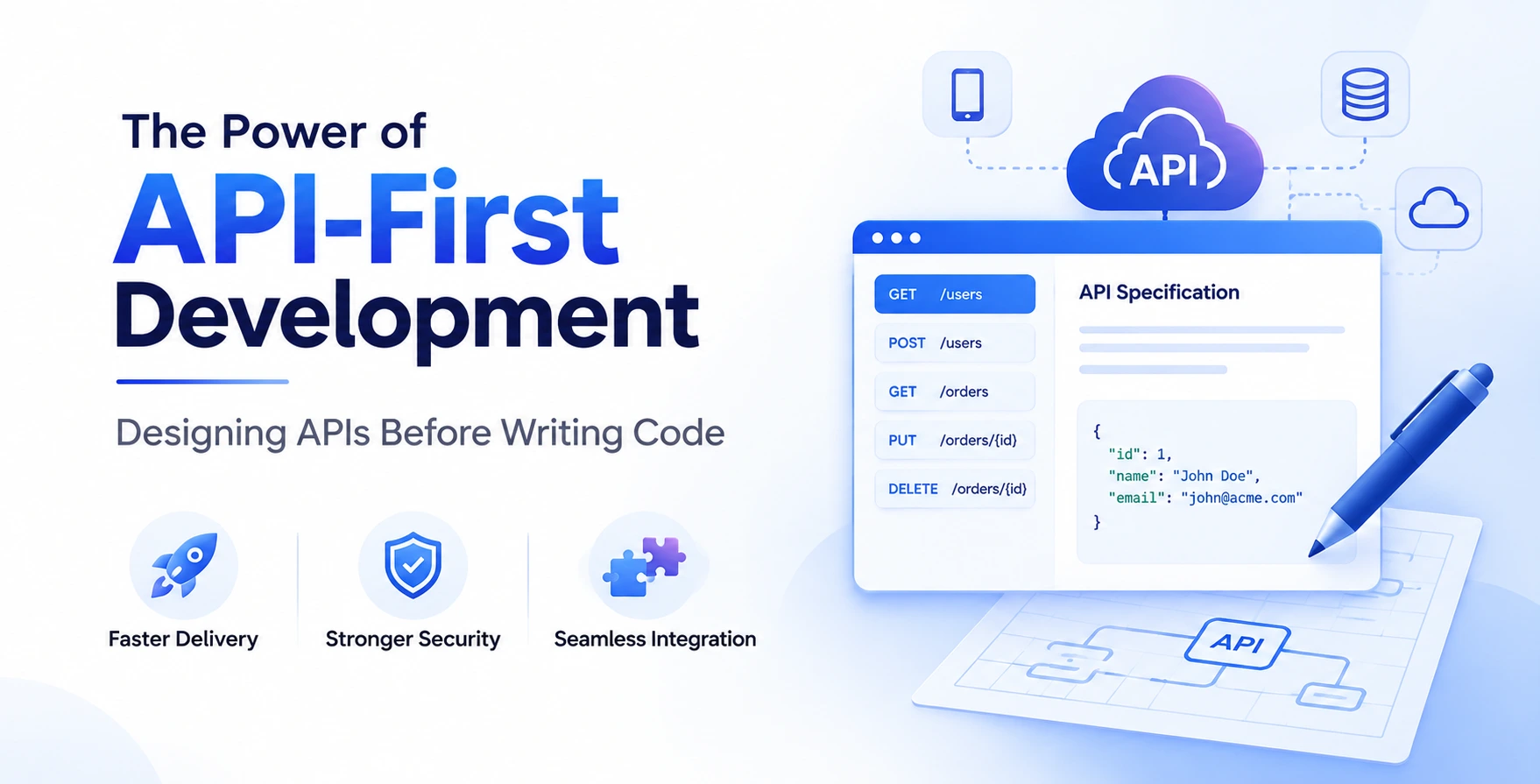
API-first development is a design approach that prioritizes the creation of APIs before writing any code.
This approach offers numerous benefits, including improved collaboration, reduced technical debt, and faster time-to-market.
By designing APIs first, developers can ensure that their applications are scalable, flexible, and easy to maintain.
What is API-First Development?
API-first development is a methodology that involves designing and building APIs before creating the application itself.
This approach allows developers to focus on the API's functionality, security, and performance before writing any code.
API-first development is based on the idea that the API is the core of the application, and everything else is built around it.
- Improves collaboration between developers and stakeholders
- Reduces technical debt by identifying potential issues early
- Accelerates time-to-market by allowing for parallel development
Benefits of API-First Development
API-first development offers numerous benefits, including improved collaboration, reduced technical debt, and faster time-to-market.
By designing APIs first, developers can ensure that their applications are scalable, flexible, and easy to maintain.
Additionally, API-first development allows for better testing and validation of the API, reducing the risk of errors and bugs.
API Design Best Practices
API design is a critical aspect of API-first development. A well-designed API should be intuitive, consistent, and easy to use.
Developers should follow established API design best practices, such as using RESTful principles, implementing authentication and authorization, and documenting the API.
A good API design should also consider factors such as performance, security, and scalability.
- RESTful principles: Use HTTP methods and status codes correctly
- Authentication and authorization: Implement secure authentication and authorization mechanisms
- Documentation: Provide clear and concise documentation for the API
Custom API Development
Custom API development involves creating a tailored API that meets the specific needs of an application or business.
Custom APIs can be used to integrate with third-party services, provide a unique user experience, or support specific business requirements.
Developers should consider factors such as scalability, flexibility, and maintainability when designing a custom API.
REST API Design
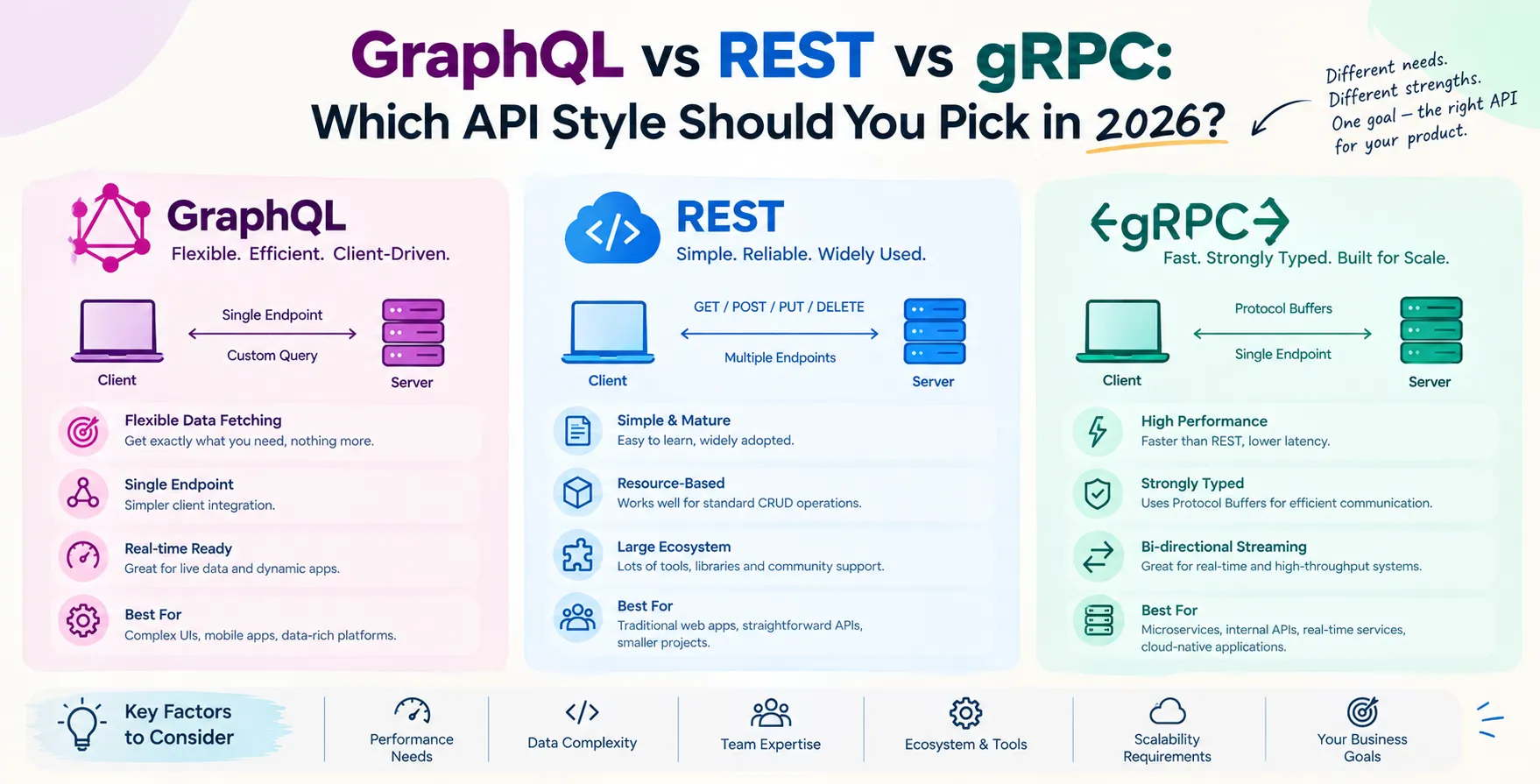
REST (Representational State of Resource) is a popular API design approach that emphasizes simplicity, flexibility, and scalability.
RESTful APIs use HTTP methods and status codes to interact with resources, making them easy to understand and use.
Developers should follow established RESTful principles when designing a REST API.
- Resources: Identify the resources that will be exposed by the API
- HTTP methods: Use HTTP methods to interact with resources
- Status codes: Use HTTP status codes to indicate the result of an operation
Challenges in API-First Development
API-first development can present several challenges, including the need for significant upfront planning and design.
Developers must also consider factors such as security, performance, and scalability when designing an API.
Additionally, API-first development requires close collaboration between developers, stakeholders, and users.
Overcoming Challenges
To overcome the challenges of API-first development, developers should follow established best practices and methodologies.
This includes using agile development techniques, continuous integration and delivery, and automated testing.
Developers should also prioritize communication and collaboration with stakeholders and users.
Real-World Examples
API-first development is used in a variety of real-world applications, including social media, e-commerce, and financial services.
For example, companies like Twitter and Facebook use API-first development to create scalable and flexible APIs that support their applications.
Other companies, such as Amazon and PayPal, use API-first development to provide secure and reliable payment processing APIs.
Measuring Success
Measuring the success of API-first development involves tracking key metrics such as API usage, performance, and security.
Developers should also monitor user feedback and satisfaction to ensure that the API meets their needs.
Additionally, developers should track the return on investment (ROI) of API-first development to justify the upfront costs.
Conclusion
API-first development is a powerful approach to software development that prioritizes the creation of APIs before writing any code.
By following established best practices and methodologies, developers can create scalable, flexible, and secure APIs that support their applications.
API-first development offers numerous benefits, including improved collaboration, reduced technical debt, and faster time-to-market.


 In collaboration with