Table of Contents
- Introduction
- Understanding the Need for Federation
- Core Components of Federation
- How GraphQL Federation Works
- Benefits of Federated Architectures
- Challenges in Implementation
- Designing Your Schema
- Managing Service Dependencies
- Federation vs API Gateways
- Best Practices for Development
- Testing Federated Graphs
- Security Considerations
- Operational Monitoring
- Conclusion
Introduction
As organizations shift from monolithic applications to distributed systems, managing data access becomes increasingly complex. Developers often struggle to maintain a unified data layer when individual teams manage their own services independently.
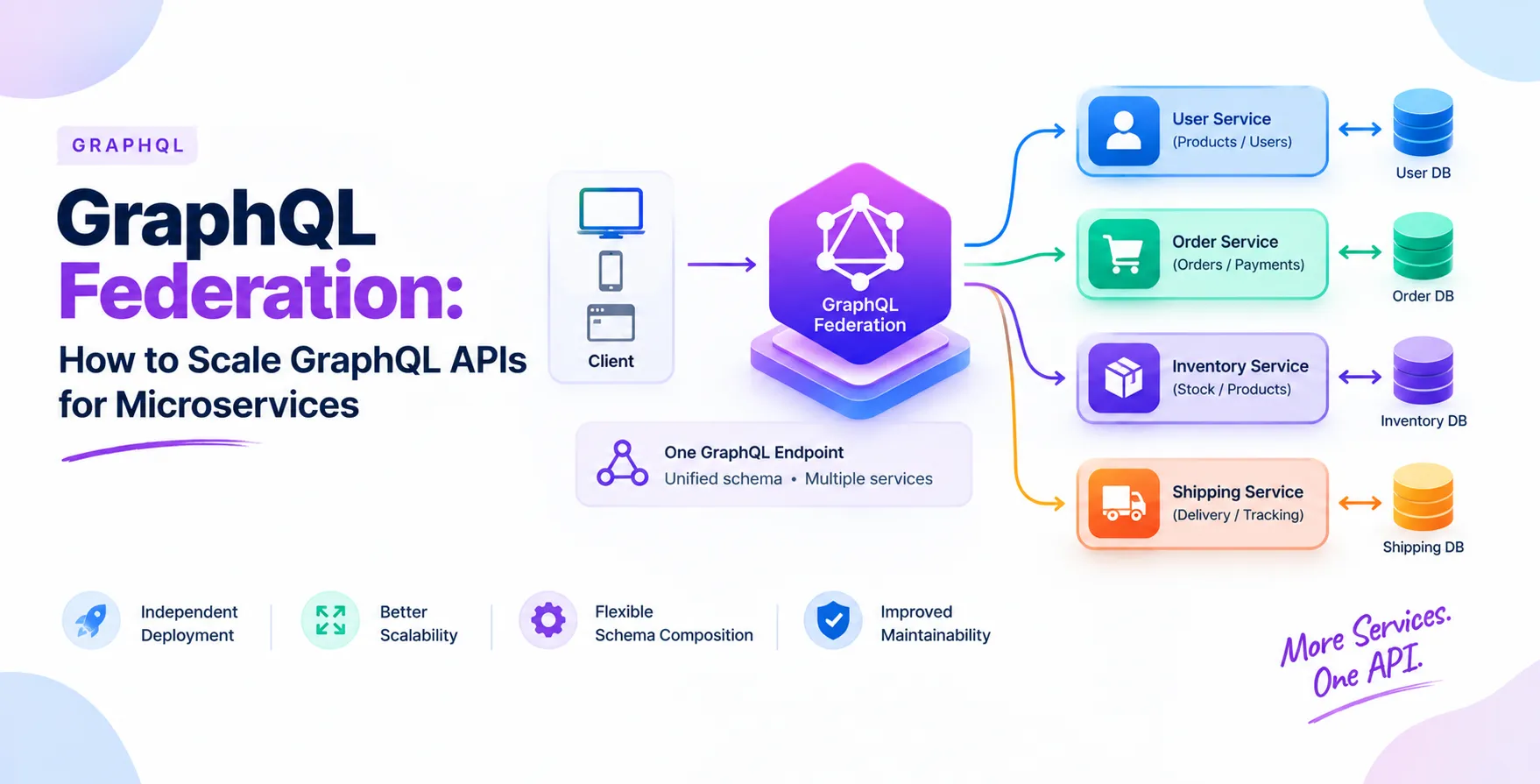
This is where GraphQL Federation changes the game. It allows you to compose multiple isolated subgraphs into one single, powerful graph that clients can query seamlessly.
Understanding the Need for Federation
In a standard microservices setup, you might have dozens of services, each with its own internal logic and data store. When a frontend application needs data from three different services, the coordination overhead becomes a massive bottleneck for developers.
Using GraphQL microservices without a federation layer forces clients to perform multiple network requests or deal with a bloated API gateway that acts as a central point of failure. Federation solves this by decoupling the service definition from the composition layer.
It allows teams to own their specific domain data while still contributing to the overall company graph. This autonomy is essential for scaling engineering organizations effectively.
- Enables independent team autonomy
- Reduces client-side request complexity
- Provides a unified schema interface
- Eliminates central gateway bottlenecks
- Improves developer productivity
Core Components of Federation
To implement a successful architecture, you must understand the key pieces that make it function. Each component has a distinct role in ensuring that the final graph remains performant and reliable for your end users.
Subgraphs
These are the individual services that hold specific domain data. Each subgraph is a fully functional GraphQL API that knows how to resolve its own fields.
- Contains domain-specific business logic
- Owns its own data schema
- Resolves local field queries
The Gateway
The gateway serves as the entry point for all client requests. It intelligently routes parts of the incoming query to the appropriate subgraphs based on the schema composition.
- Orchestrates query execution across services
- Combines results into a single response
- Handles global schema validation
How GraphQL Federation Works
The process starts by defining types and fields within your individual subgraphs. When you need to link data between services, you use special directives that tell the gateway how to resolve relationships across boundaries.
For example, a user service might define a User type, while an orders service extends that same type with an orders field. The gateway stitches these definitions together at runtime to present a complete view.
This composition happens without requiring manual code changes in every service whenever a new dependency is added. It creates a robust, federated GraphQL architecture that grows alongside your business.
Benefits of Federated Architectures
Adopting this approach offers significant advantages for large teams working on complex systems. By treating your API as a distributed system, you gain flexibility that monolithic designs simply cannot match in modern development environments.
- Facilitates parallel development cycles
- Enables granular service scaling
- Promotes code reuse across teams
- Simplifies cross-domain data fetching
- Reduces overall system latency
Challenges in Implementation
While powerful, federated systems bring their own set of architectural hurdles. You are essentially shifting complexity from the client side into the infrastructure layer, which requires careful planning and coordination.
Schema Fragmentation
When multiple teams contribute to one graph, ensuring consistency becomes difficult. Without strong governance, your graph can quickly become a disorganized mess of overlapping types and confusing field names.
- Requires strict naming conventions
- Needs automated schema linting
- Demands clear ownership boundaries
Performance Overhead
The gateway must perform extra work to parse, plan, and execute queries across multiple network hops. If your subgraphs are slow, the entire federated graph will suffer from increased response times.
- Increased network latency risks
- Gateway compute resource demands
- Complex query execution planning
Designing Your Schema
Designing a shared schema requires a mindset shift from traditional development. You are no longer building an API for a specific frontend; you are building a product that other internal teams will consume.
Focus on creating clear, domain-driven boundaries between your services. If a service does too much, it becomes hard to maintain and risks becoming a bottleneck in your federated graph.
Always prioritize backward compatibility when making changes. Use schema versioning strategies to ensure that frontend clients do not break during deployments.
Managing Service Dependencies
In a federated environment, services often need to reference entities in other services. This requires careful management of type extensions and key directives to avoid circular dependencies that can crash your gateway.
Documentation is vital here. Each team must document their subgraph capabilities so that other developers know how to effectively link their data without introducing breaking changes.
- Use explicit entity keys
- Avoid deep, nested dependencies
- Document service capabilities clearly
- Monitor cross-service traffic patterns
Federation vs API Gateways
While people often confuse them, federation and traditional API gateways serve different purposes in a microservices ecosystem. Understanding this distinction is critical for choosing the right infrastructure for your application.
| Feature |
Traditional Gateway |
GraphQL Federation |
| Routing |
Endpoint based |
Graph based |
| Aggregation |
Manual orchestration |
Automated composition |
| Flexibility |
Limited |
High |
| Maintenance |
High effort |
Moderate effort |
| Developer Experience |
Static |
Dynamic |
Best Practices for Development
Consistency is the secret to success in any large-scale project. Establish clear standards for how services communicate and how they expose their data to the rest of the organization.
Automate as much of the process as possible. Use CI/CD pipelines to validate schema changes against the main graph before they are merged into production environments.
- Implement automated schema checks
- Maintain a centralized documentation portal
- Adopt strict type-safety standards
- Automate testing at the subgraph level
Testing Federated Graphs
Testing is inherently more difficult in a distributed graph. You cannot simply run a local server and expect everything to work; you need to simulate the entire ecosystem to catch issues before deployment.
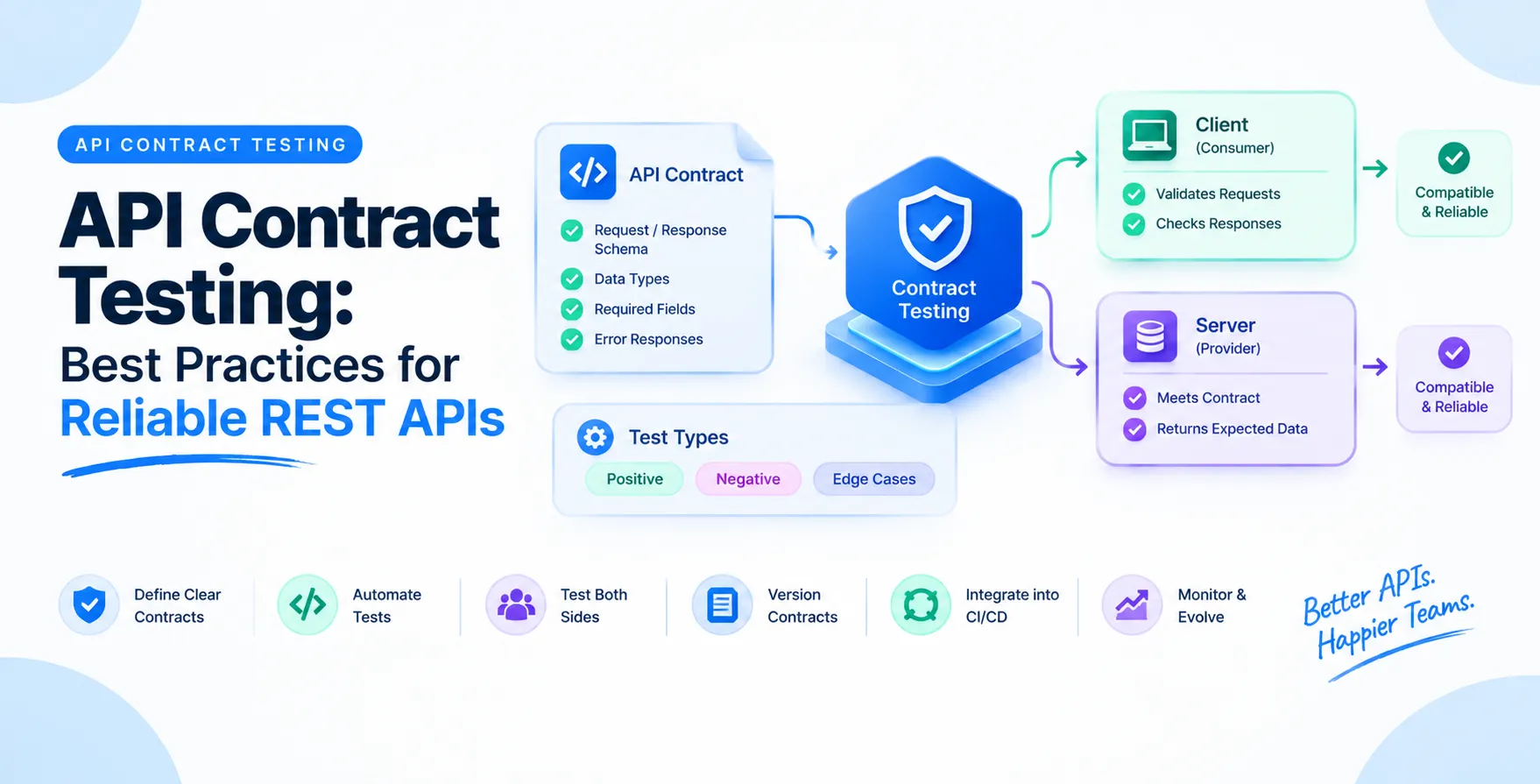
Focus on integration tests that exercise the gateway's ability to stitch data together correctly. Ensure that the gateway handles partial failures gracefully, returning partial data rather than a complete error whenever possible.
- Perform end-to-end integration testing
- Mock subgraphs for unit testing
- Validate query planning logic
Security Considerations
Securing a federated architecture requires a defense-in-depth approach. You must ensure that authentication and authorization are handled correctly at every layer of the distributed request path.
Pass security tokens through the gateway to individual subgraphs so they can verify user permissions locally. Never rely on the gateway to be the sole enforcement point for sensitive data access.
- Enforce authentication at the gateway
- Propagate authorization context tokens
- Implement rate limiting per subgraph
- Encrypt cross-service communication
Operational Monitoring
Visibility is everything when things go wrong in production. You need tools that can trace a single request as it jumps through multiple subgraphs to find the root cause of any performance issues.
Use distributed tracing to visualize the request flow. If a query is slow, you should be able to identify exactly which subgraph is the culprit within seconds of opening your dashboard.
- Enable distributed request tracing
- Monitor gateway throughput metrics
- Set alerts for subgraph latency
- Analyze error logs centrally
Conclusion
GraphQL Federation provides a robust path forward for teams struggling with the complexity of microservices. It bridges the gap between independent development and a unified client experience, allowing your API to scale alongside your organization.
While the implementation requires careful planning and discipline, the long-term benefits of team autonomy and developer efficiency are undeniable. Start small, focus on schema governance, and build your federated graph one service at a time for the best results.


 In collaboration with