Table of Contents
- Understanding the Impact of Churn
- The Economics of Retention
- Improving Your Onboarding Experience
- Gathering Meaningful Customer Feedback
- The Role of Product Value
- Segmenting Your Customer Base
- Leveraging Proactive Customer Support
- Pricing Strategy Adjustments
- Implementing Feature Flags for Stability
- Building a Community Around Your Tool
- Analyzing Exit Data
- Optimizing Billing Cycles
- Final Thoughts
Understanding the Impact of Churn
SaaS growth is often viewed through the lens of acquisition, but retention is the real engine of success. When users leave your platform at a high rate, you are pouring water into a leaky bucket.
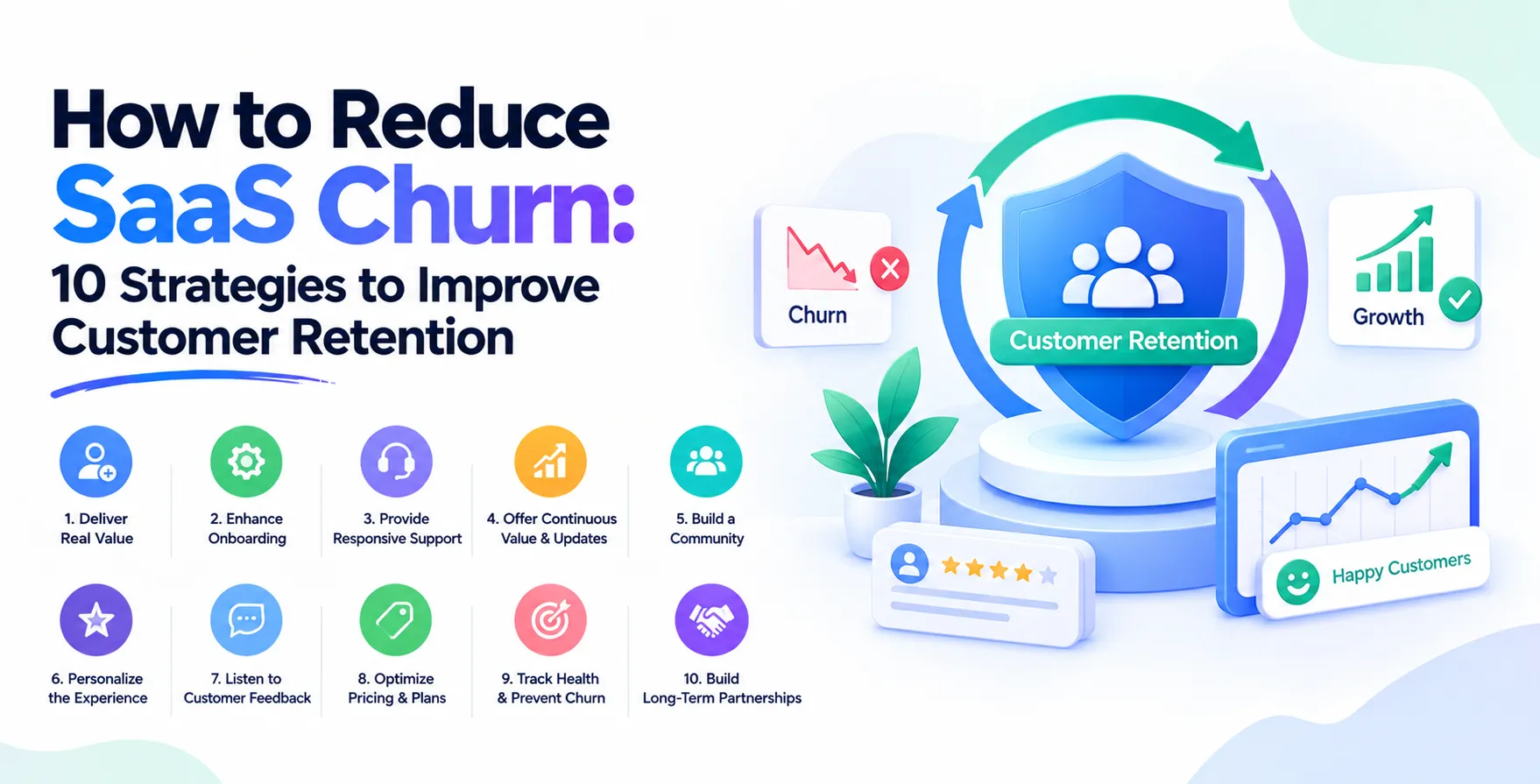
High attrition rates signal that your product is failing to deliver on its promise. Learning how to reduce SaaS churn and improve customer retention requires a deep look at why your users stop logging in.
The Economics of Retention
Acquiring a new customer is significantly more expensive than keeping an existing one. For many businesses, the cost of acquisition can exceed the first six months of subscription revenue.
When you reduce customer churn SaaS metrics naturally improve, leading to higher lifetime value. Focusing on retention is the most capital-efficient way to scale your business.
- Lowers overall acquisition costs
- Increases customer lifetime value
- Stabilizes monthly recurring revenue
- Improves long-term profitability
Improving Your Onboarding Experience
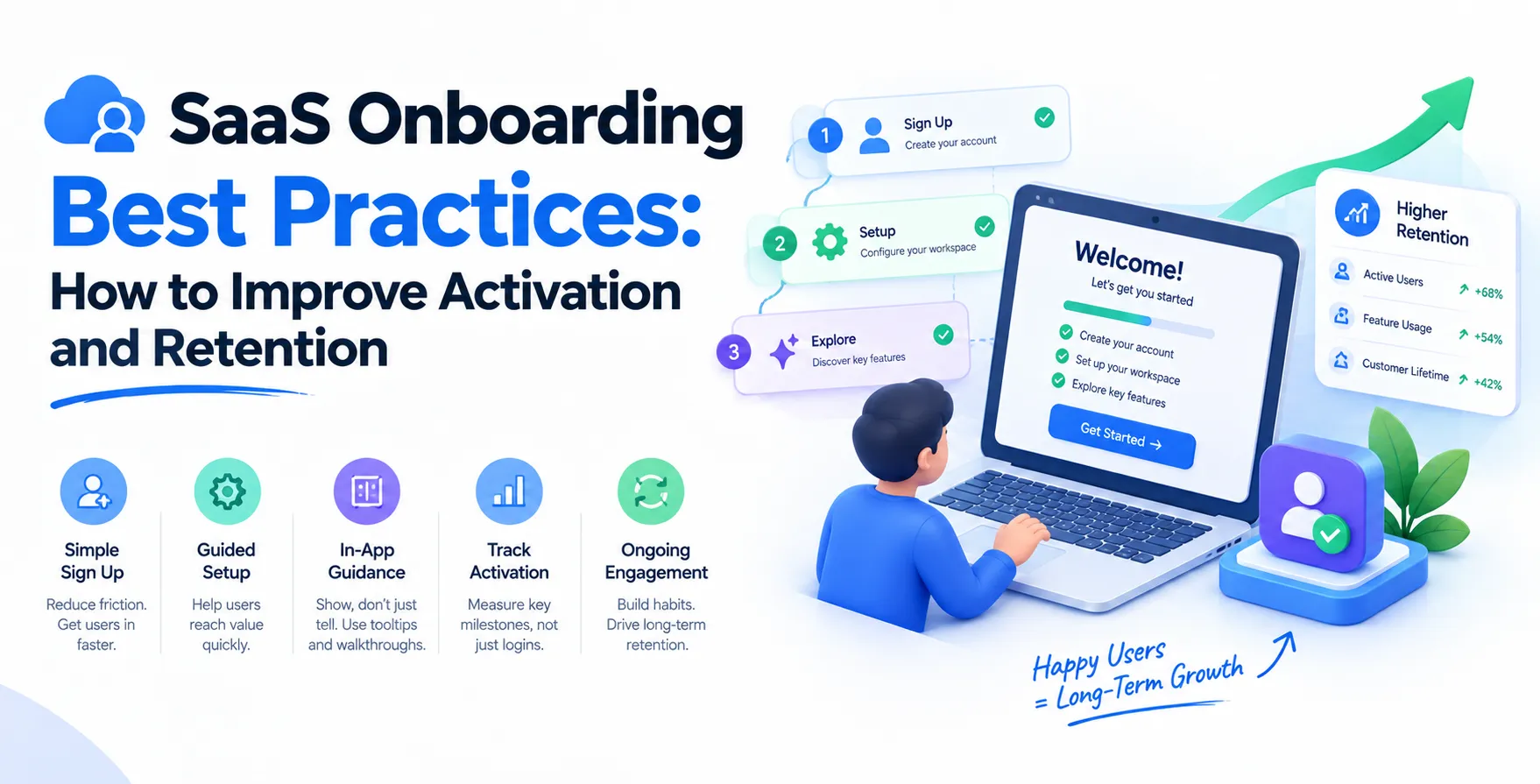
Your onboarding process is the first critical bridge between a prospect and a loyal user. If a customer does not reach their first meaningful success moment quickly, they will likely abandon the tool.
Effective SaaS onboarding best practices to improve activation involve guiding users through core features immediately. A cluttered or confusing setup is often the primary reason new users churn within the first thirty days.
- Create interactive product walkthroughs
- Focus on quick time-to-value
- Personalize the welcome journey
- Provide clear educational resources
Gathering Meaningful Customer Feedback
You cannot fix what you do not understand. Engaging in regular user interviews for product development helps you identify pain points that prevent long-term adoption.
When you prioritize SaaS customer feedback, you show users that their voice matters. This sense of partnership can turn a frustrated user into a vocal advocate for your platform.
The Role of Product Value
Product value is the core reason anyone pays for your software. If your product does not solve a specific, high-priority problem, it will always be the first item cut from a company's budget.
Continuous iteration ensures your tool evolves with market needs. Whether you are building an enterprise solution or a micro SaaS tool, your feature set must remain relevant to the user's workflow.
- Solve urgent business problems
- Keep your interface intuitive
- Maintain high system performance
- Deliver consistent updates
Segmenting Your Customer Base
Not all churn is created equal. You should distinguish between your most profitable long-term users and those who are likely to leave quickly.
By monitoring usage patterns, you can identify high-risk segments before they cancel. Targeted communication for these users can often prevent an impending departure.
| User Segment |
Retention Tactic |
| Power Users |
Provide advanced feature training |
| At-Risk Users |
Offer personalized support check-ins |
| New Users |
Focus on activation milestones |
| Enterprise Users |
Schedule quarterly business reviews |
| Churned Users |
Collect detailed exit feedback |
Leveraging Proactive Customer Support
Waiting for a support ticket to arrive is a reactive approach that often comes too late. Proactive support anticipates user needs before they become sources of frustration.
When your team reaches out to help a user who has not logged in for a week, they feel seen and valued. This high-touch approach often acts as a significant buffer against churn.
- Monitor inactive user accounts
- Reach out with helpful tips
- Provide fast technical assistance
- Build trust through transparency
Pricing Strategy Adjustments
Your pricing strategy can have a profound impact on why customers stay or go. A model that does not align with the value provided will lead to price sensitivity and eventual cancellation.
Consider whether a shift toward usage-based pricing models for SaaS might better reflect the value your users receive. Aligning your revenue model with customer success creates a win-win scenario for both parties.
Implementing Feature Flags for Stability
Unexpected bugs after an update are a fast track to user frustration. Utilizing feature flags best practices for SaaS teams allows you to test new functionality with small groups first.
This reduces the risk of widespread disruption that triggers mass churn. Maintaining a stable environment is essential for keeping high-value enterprise clients who rely on your uptime.
- Roll out features gradually
- Test changes in production safely
- Enable quick feature rollbacks
- Minimize negative user impact
Building a Community Around Your Tool
A product that feels like a platform is much harder to leave than a simple utility. When users interact with each other and share best practices, they become invested in the ecosystem.
Building a community creates a social barrier to exit. Users stay not just for the features, but for the network and knowledge they have gained through your platform.
Analyzing Exit Data
Even with the best retention efforts, some customers will eventually leave. Conducting thorough exit interviews allows you to capture the specific reasons behind their decision.
This data is invaluable for future product roadmaps and marketing adjustments. Use these insights to close the loops in your product that led to the loss in the first place.
Optimizing Billing Cycles
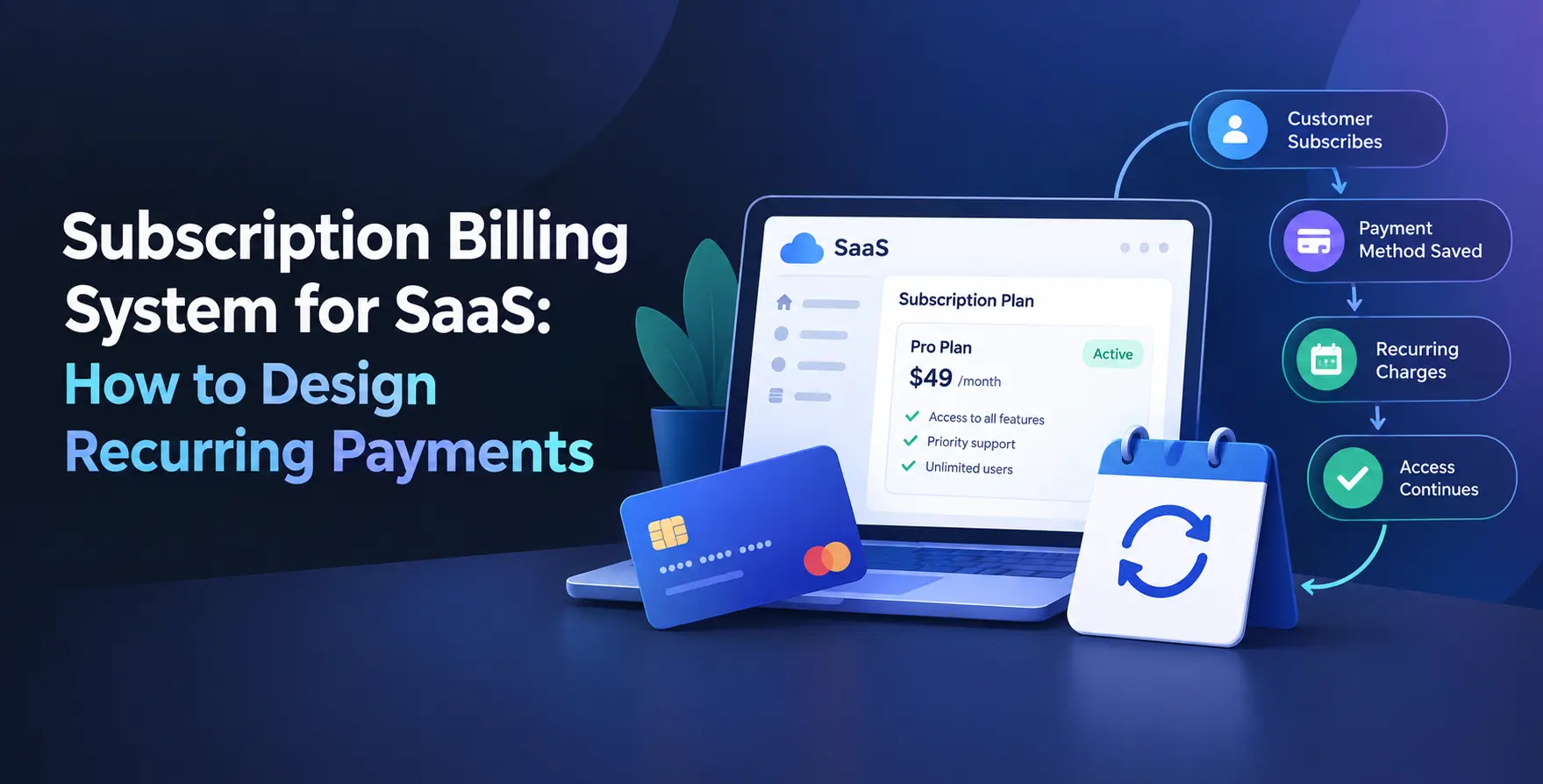
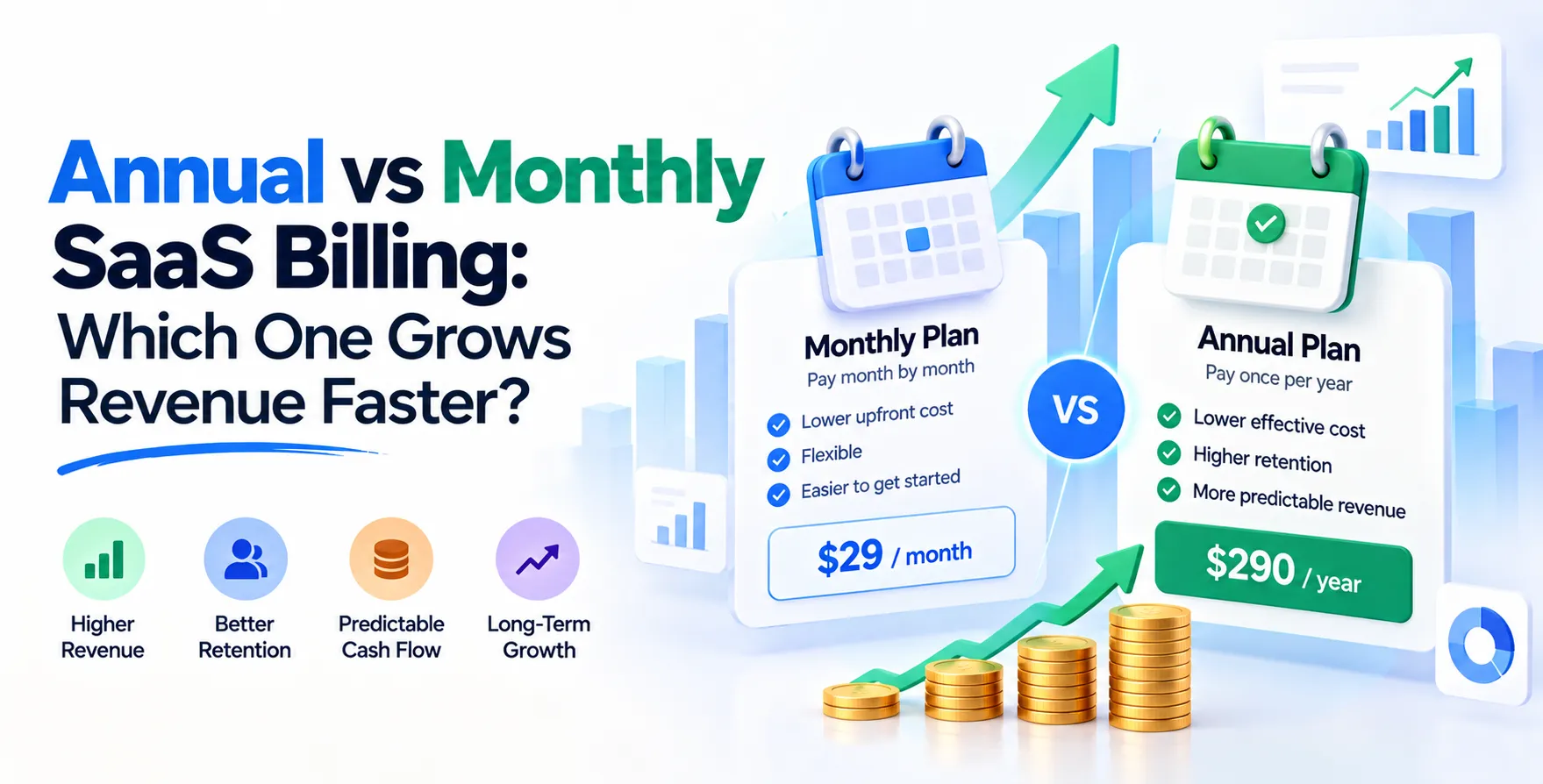
The cadence of your billing can influence long-term retention. While monthly plans offer flexibility, they also provide twelve opportunities per year for a user to reconsider their subscription.
Encouraging annual billing cycles often leads to higher retention because users are committed to the tool for the long haul. Providing incentives for these longer commitments can dramatically improve your revenue stability.
- Offer discounts for annual plans
- Simplify the renewal process
- Automate subscription reminders
- Provide flexible payment options
Final Thoughts
Reducing churn is not about implementing one magic feature; it is about building a culture of retention. By focusing on onboarding, consistent value delivery, and proactive communication, you create a product that users rely on daily.
Consistently analyze your churn data to refine these SaaS customer retention strategies over time. A disciplined approach to these ten areas will lead to a healthier, more sustainable business model.


 In collaboration with