Table of Contents
- Introduction
- Defining Usage-Based Pricing
- Why Consumption Models Are Trending
- Aligning Value with Revenue
- Key Benefits for SaaS Founders
- Managing the Complexity of Metering
- Comparing Pricing Strategies
- How to Transition Your Existing Model
- The Role of Customer Feedback
- Ensuring Predictable Revenue Streams
- Technical Requirements for Implementation
- Common Pitfalls to Avoid
- Best Practices for Success
- Conclusion
Introduction
The traditional flat-rate subscription model is no longer the only way to monetize software. Many modern companies are adopting a usage-based pricing model for SaaS to better align their costs with customer success.
This shift allows startups to capture more value from power users while remaining accessible to smaller customers. By charging based on actual consumption, you create a transparent relationship where customers only pay for what they truly need.
Defining Usage-Based Pricing
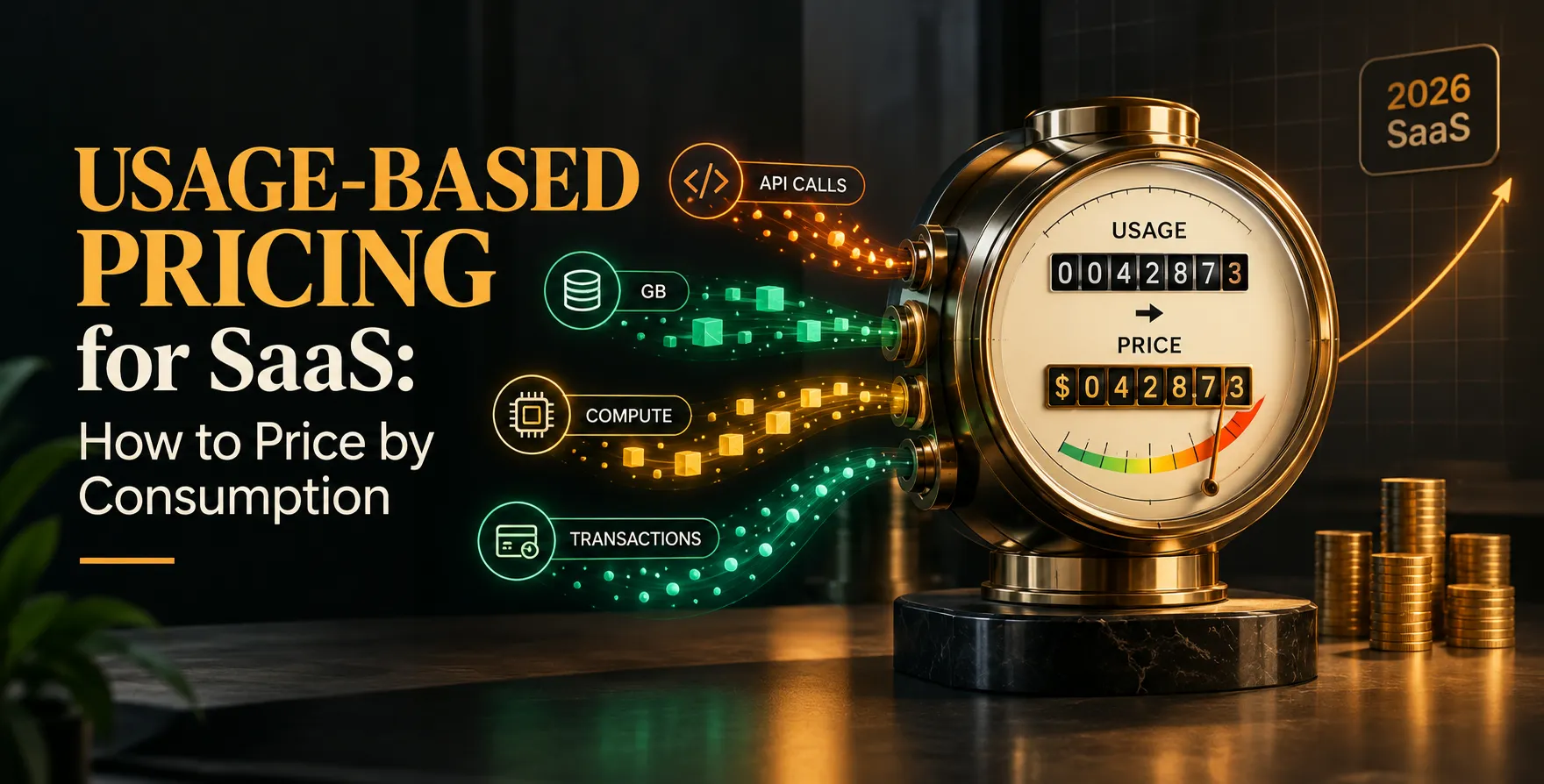
A usage-based pricing model for SaaS functions by tying your fees directly to specific metrics. These metrics might include API calls, data storage, user count, or active compute hours.
Unlike tiered packages that force users into a box, this approach is granular. It allows your pricing to scale automatically as your customers grow their own businesses.
Why Consumption Models Are Trending
The rise of cloud-native infrastructure has fundamentally changed how companies buy and build software. Customers are now accustomed to paying for cloud resources by the second or gigabyte.
They expect the same flexibility from the applications they purchase. This creates a natural environment for consumption based pricing SaaS to thrive as a preferred standard.
- Matches costs to business value
- Lowers the barrier to entry
- Supports rapid customer scaling
- Increases long-term net retention
Aligning Value with Revenue
True success in SaaS requires that your revenue growth mirrors the success of your clients. If a customer derives massive value from your platform, your pricing should reflect that growth automatically.
When you use a consumption-based pricing SaaS model, you eliminate the friction of constant upsell conversations. The revenue increases organically as the user interacts more deeply with your features.
Key Benefits for SaaS Founders
Transitioning to a variable model offers significant advantages for early-stage startups and mature platforms alike. It reduces the perceived risk for new customers who are hesitant to sign massive contracts.
By lowering the initial cost, you accelerate your sales cycle. This strategy often results in higher customer lifetime value because there is no artificial ceiling on how much a user can spend.
- Faster initial deal conversion
- Reduced friction for power users
- Higher customer lifetime value
- Automatic revenue expansion
Managing the Complexity of Metering
Implementing this model is not without its technical hurdles. You must build or integrate a reliable metering system to track consumption in real-time.
Data accuracy is critical here. If your tracking fails, you lose money and trust simultaneously.
Reliability Requirements
Your billing system must handle high volumes of usage events without latency. Inaccurate data leads to customer disputes and churn.
- Real-time event capture
- High availability tracking
- Granular audit logs
- Automated billing triggers
Data Integrity
Every single transaction must be recorded properly. You cannot afford to lose track of usage spikes or system errors.
- Redundant data storage
- Validation of usage events
- Secure transmission protocols
Comparing Pricing Strategies
| Pricing Model |
Revenue Predictability |
Customer Friction |
Scalability |
| Flat-Rate |
High |
High |
Low |
| Tiered |
Medium |
Medium |
Medium |
| Usage-Based |
Low |
Low |
High |
How to Transition Your Existing Model
Moving away from flat-rate subscriptions requires careful planning and clear communication. You should never force existing customers into a new structure against their will.
Consider running a pilot program with new users first. Gather data on how your usage-based SaaS pricing impacts their behavior and your overall bottom line.
The Role of Customer Feedback
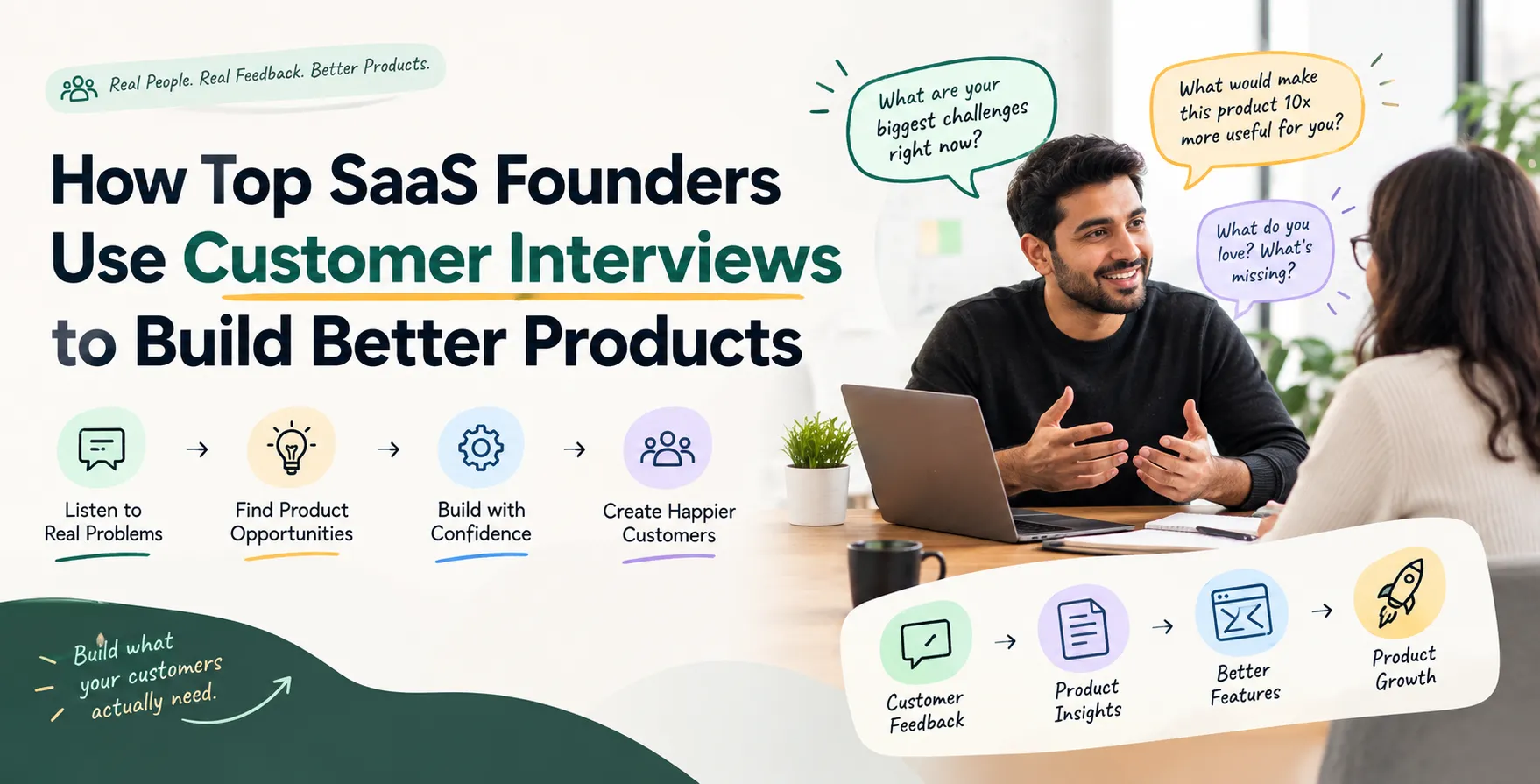
You need to talk to your users before making major pricing changes. Use deep user research and conduct candid user interviews for product development to understand which metrics matter most to them.
If you pick the wrong metric for your usage-based SaaS pricing, you might accidentally incentivize the wrong user behavior. Ensure your chosen unit of value is something the customer wants to increase over time.
Ensuring Predictable Revenue Streams
Critics often argue that usage-based models are too volatile for forecasting. While it is true that revenue can fluctuate, you can mitigate this with creative structures.
Implement minimum commitments or prepaid credits to maintain a baseline of revenue. This gives you the stability of a subscription while providing the flexibility of usage-based billing.
- Annual prepaid credit bundles
- Minimum monthly spend requirements
- Tiered volume discounts
- Rollover allowances for credits
Technical Requirements for Implementation
You cannot effectively manage a usage-based strategy without robust infrastructure. Your engineering team must prioritize cloud cost management to ensure that your own margins remain healthy as you scale.
This is where effective FinOps for engineering teams becomes vital. You need a clear understanding of the relationship between your infrastructure costs and the revenue generated by usage.
Common Pitfalls to Avoid
Many founders struggle because they make their pricing structure too complicated. If a customer cannot easily predict their bill, they will eventually look for a simpler alternative.
Another common mistake is failing to provide usage alerts. If a customer receives a bill that is far higher than expected without warning, your churn risk spikes immediately.
- Overly complex pricing formulas
- Lack of usage alerts
- Inconsistent billing cycles
- Ignoring customer feedback loops
Best Practices for Success
Keep your pricing units simple and intuitive. Your customers should understand exactly what they are paying for within seconds of looking at their invoice.
Focus on high-value metrics that track with the customer's growth. If the user succeeds, you succeed.
Conclusion
Adopting a usage-based pricing model for SaaS is a powerful way to align your business with the modern cloud-first economy. While it requires more sophisticated engineering and billing infrastructure, the long-term benefits are substantial.
By focusing on customer growth and transparent value, you build a more resilient and scalable business model. Start by testing your assumptions and refining your metering before a full transition.


 In collaboration with