Table of Contents
- The Evolution of Cloud Spending
- What Is Shift-Left FinOps?
- Why Finance-Led FinOps Failed Developers
- Core Pillars of Engineering-Led FinOps
- Architectural Choices and Cost Impacts
- Right-Sizing Compute and Storage
- Automated Guardrails and Deployment Checks
- Comparing FinOps Models
- Real-Time Cost Observability
- Cultivating a Cost-Aware Engineering Culture
- Common Cloud Spending Pitfalls
- Practical Steps for Engineering Teams
- Conclusion
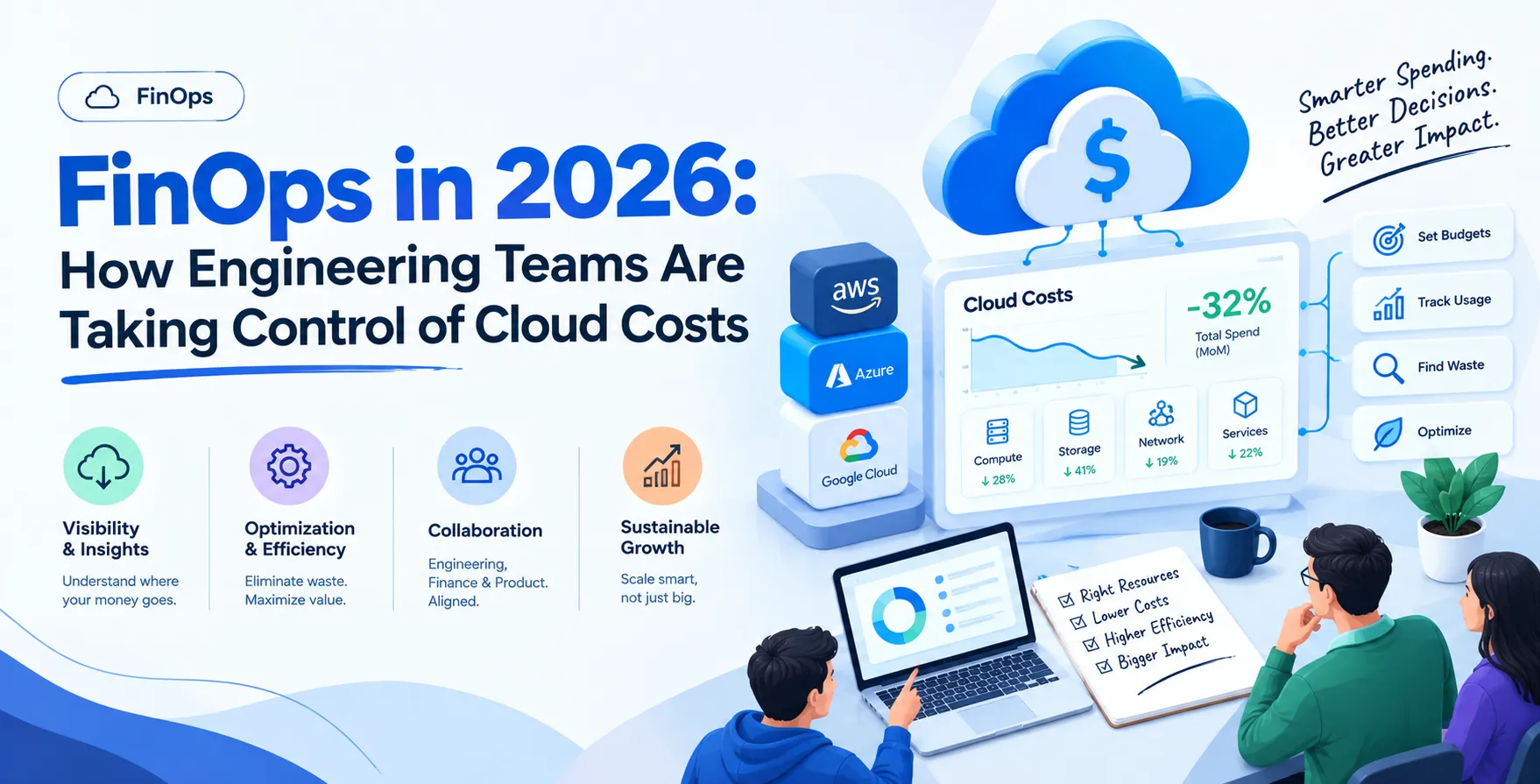
Cloud infrastructure costs have ballooned into one of the largest operating expenses for modern software organizations.
In 2026, engineering teams are taking direct ownership of cloud architecture budgets to prevent unexpected bills.
The Evolution of Cloud Spending
In the early days of cloud migration, speed was the only metric that mattered. Teams spun up managed services, dynamic cluster scaling, and oversized database instances to hit product milestones without considering billing impact.
As cloud bills scaled exponentially, enterprise leadership demanded accountability across every production workload. Finance departments attempted to curb spending through quarterly reviews, but lack of technical context made their recommendations ineffective for complex microservices.
Today, effective Cloud Cost Optimization requires architectural awareness at the exact moment code is written. Engineers now evaluate infrastructure expenses alongside latency, reliability, and security standards.
What Is Shift-Left FinOps?
Shift-left FinOps moves financial accountability directly into the continuous integration and deployment pipeline. Developers analyze cloud expenses during the pull request process rather than waiting for monthly invoices.
By treating cloud infrastructure costs as a primary engineering metric, teams catch expensive configurations before code hits production.
- Prevents over-provisioned infrastructure deployment
- Integrates cost checks into pull requests
Why Finance-Led FinOps Failed Developers
Traditional Cloud Cost Management was driven almost entirely by finance analysts working in isolated spreadsheets. They lacked deep knowledge of application architecture, traffic spikes, and redundancy requirements.
When finance teams demanded blanket reductions, engineers were forced to risk application stability or ignore corporate guidelines completely. This friction created operational silos and delayed critical feature releases across engineering departments.
Modern organizations realize that financial policy cannot be enforced without deep technical integration. Direct developer involvement solves this communication breakdown permanently.
Core Pillars of Engineering-Led FinOps
Implementing effective FinOps for Engineering Teams requires a fundamental shift in daily operational habits. Developers need clear visibility, shared incentives, and automation to maintain control over production spending.
The core methodology relies on establishing consistent standards across all engineering squads.
- Real-time cost feedback inside developer tools
- Comprehensive tagging and allocation standards
- Automated resource lifecycle management
- Architectural cost reviews during design phases
- Shared accountability between product and platform teams
Architectural Choices and Cost Impacts
Architectural decisions made during early planning directly determine the baseline cost structure of cloud platforms. Selecting inappropriate instance types or unoptimized data transfer paths can multiply monthly expenses significantly.
Compute Selection Strategy
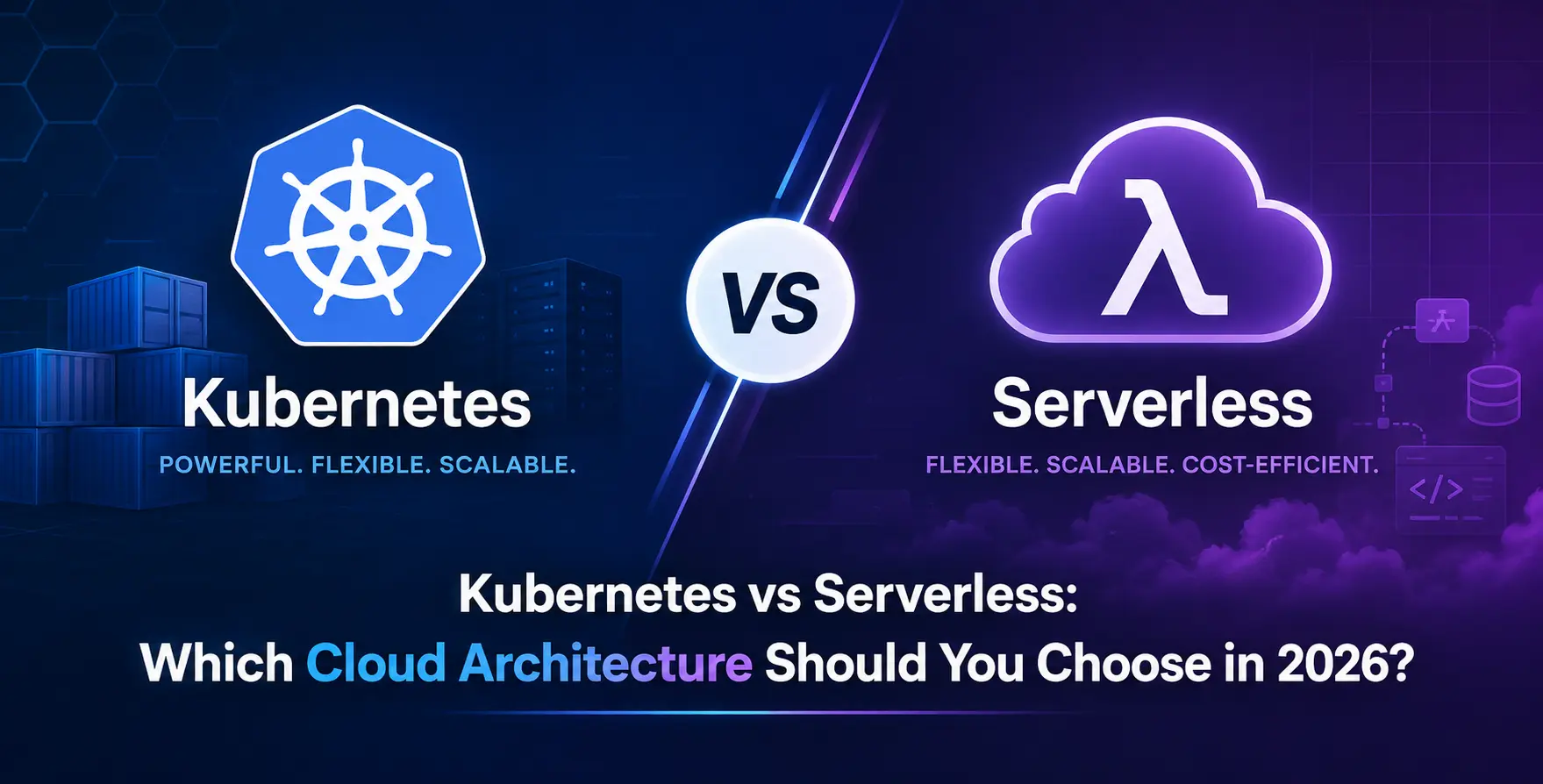
Choosing between serverless functions, Kubernetes pods, and dedicated virtual machines drastically affects long-term cloud efficiency.
- Match compute types to workload profiles
- Leverage spot instances for batch processing
- Right-size Kubernetes node pools continuously
Data Transfer and Storage Tiering
Egress charges and persistent storage tiers frequently cause unexpected budget overruns across multi-region deployments.
- Utilize local caching to reduce egress bandwidth
- Transition cold data to low-cost storage
- Avoid unnecessary inter-region network traffic
Right-Sizing Compute and Storage
Over-provisioning remains the largest source of wasted cloud budget across enterprise environments. Engineers routinely select oversized virtual machine sizes to handle hypothetical traffic spikes that rarely materialize.
Right-sizing requires analyzing historical CPU, memory, and IOPS utilization patterns continuously.
- Downsize underutilized idle instances
- Implement auto-scaling based on real demand
- Consolidate low-traffic microservices into shared clusters
Automated Guardrails and Deployment Checks
Manual cost reviews cannot keep pace with high-velocity deployment pipelines. Engineering leaders are deploying automated static analysis tools to catch cost spikes before deployment.
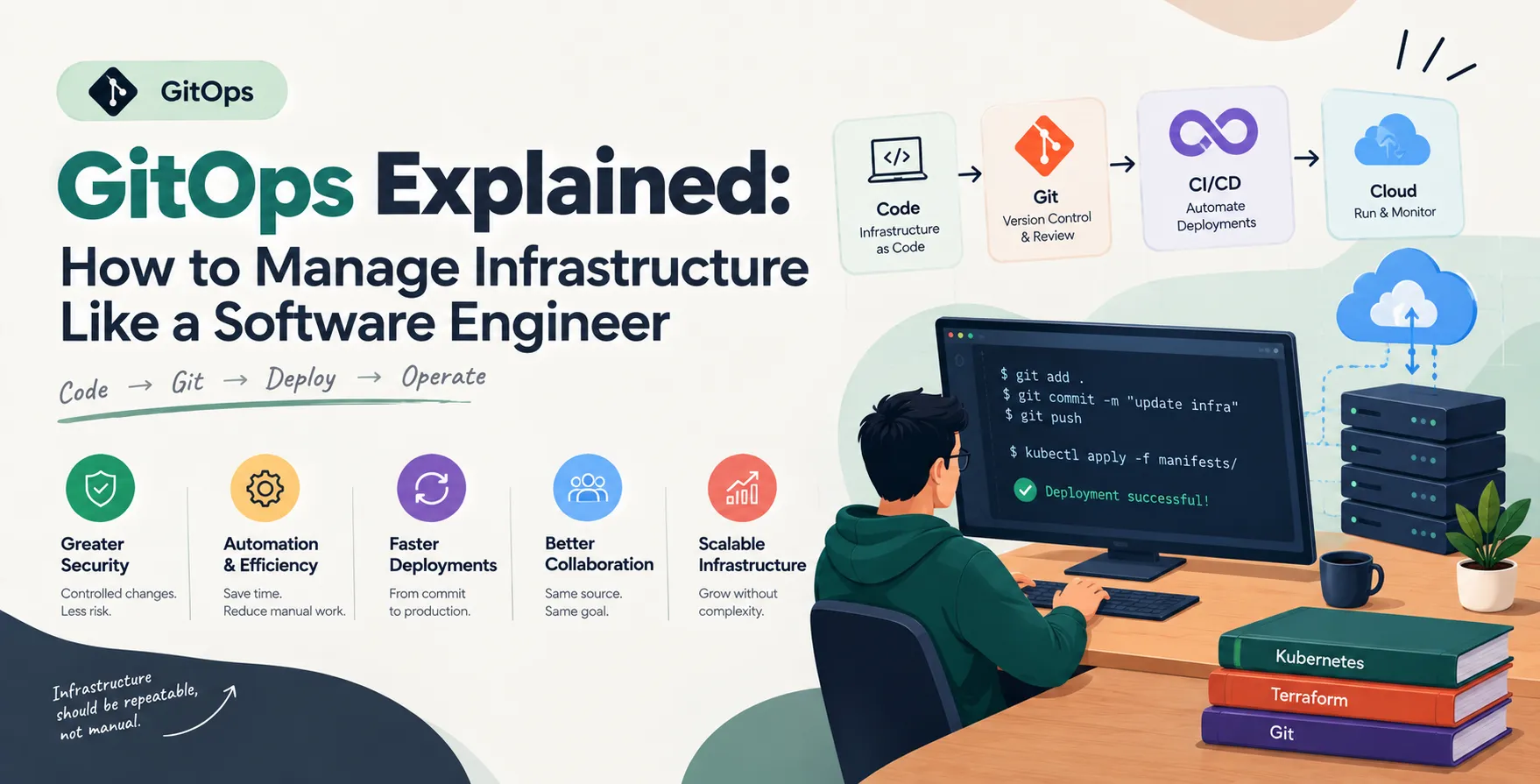
These automated guardrails inspect Infrastructure as Code templates like Terraform and CloudFormation during pull request evaluation. If an engineer attempts to deploy an unapproved high-cost resource, the CI/CD pipeline blocks the build automatically.
Applying Engineering Cloud Cost Optimization at the pipeline level enforces corporate spending policies without slowing down delivery speeds.
Comparing FinOps Models
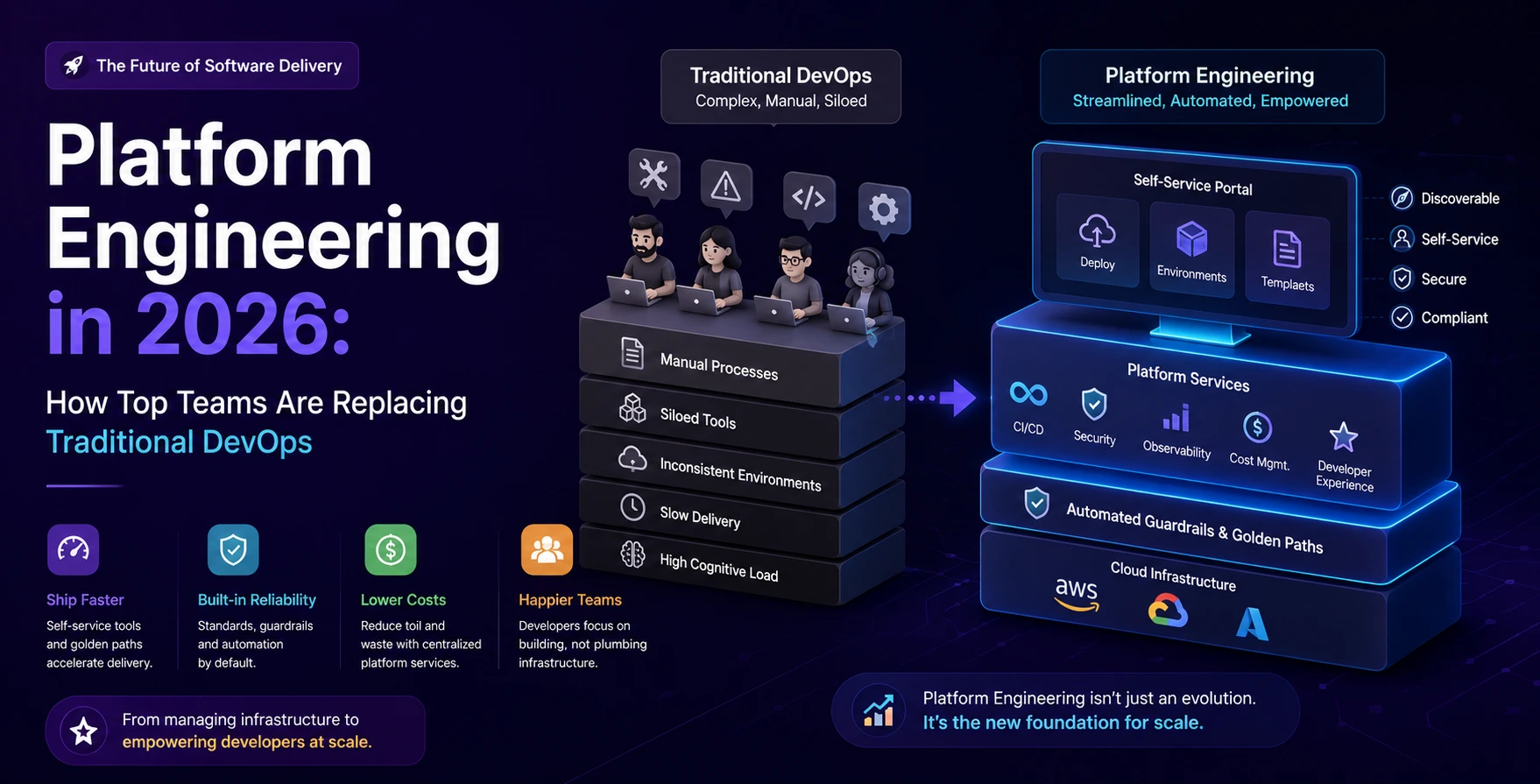
Understanding how engineering-driven cloud management differs from legacy financial oversight clarifies the operational benefits for software teams.
| Capability |
Traditional Finance FinOps |
Engineering-Led FinOps |
| Feedback Loop |
Monthly accounting reports |
Real-time pull request checks |
| Primary Focus |
Discounts and commitments |
Architecture and resource efficiency |
| Tooling Used |
Spreadsheets and financial portals |
IDE plugins and CI/CD automation |
| Actionable Context |
Low technical understanding |
Deep workload and code context |
| Accountability |
Central finance department |
Individual engineering squads |
| Optimization Method |
Reactive spend cuts |
Proactive resource design |
Real-Time Cost Observability
Observability platforms have evolved beyond monitoring CPU metrics, memory, and error rates. Modern developer dashboards treat real-time cost streams as a core telemetry metric alongside system performance.
Linking cost spikes directly to specific deployment commits helps developers identify runaway cloud processes immediately.
- Track hourly spending per microservice
- Correlate deployment events with cloud bill spikes
- Set custom budget alerts on service metrics
- Attribute costs directly to specific customer tenants
Cultivating a Cost-Aware Engineering Culture
Tools and automation only succeed when supported by a strong engineering culture that values resource efficiency. Team leaders must reward engineers who redesign systems for better financial performance.
Fostering this cultural shift requires clear goals, active recognition, and accessible cloud spend metrics.
- Include cost efficiency in technical design docs
- Recognize engineers who successfully reduce workload costs
- Share monthly cloud spending metrics transparently
- Gamify resource optimization across development squads
- Train junior developers on cloud cost mechanics
- Conduct quarterly infrastructure optimization hackathons
Common Cloud Spending Pitfalls
Even experienced engineering teams fall into predictable traps that escalate monthly cloud invoices. Recognizing these patterns early protects budgets from unnecessary waste.
Avoiding these common errors requires disciplined infrastructure governance and continuous resource cleanup.
- Orphaned storage volumes left after instance deletion
- Unused staging environments running constantly
- Over-retention of log files and diagnostic traces
- Unindexed database queries causing high compute load
Practical Steps for Engineering Teams
Transitioning to developer-led cloud cost control requires a structured, step-by-step implementation plan. Teams should start small by targeting obvious idle resources before redesigning core architectures.
Following a systematic approach ensures early wins while building long-term operational capabilities.
- Audit existing resource tagging standards immediately
- Implement automated shutdown schedules for dev environments
- Integrate open-source cost estimation into pull requests
Conclusion
In 2026, managing cloud costs is no longer an isolated finance responsibility. Engineering teams are stepping up to build cost-efficient, resilient software by incorporating financial metrics directly into their daily workflows.
By shifting FinOps left, adopting real-time cost observability, and automating spending guardrails, modern software organizations can innovate rapidly while keeping infrastructure expenses under tight control.


 In collaboration with