Table of Contents
- Introduction to Platform Engineering
- What is Platform Engineering?
- Benefits of Platform Engineering
- Platform Engineering vs DevOps
- Internal Developer Platform (IDP)
- Developer Experience (DevEx)
- Implementing Platform Engineering
- Challenges in Platform Engineering
- Best Practices for Platform Engineering
- Case Studies of Successful Platform Engineering
- The Future of Platform Engineering
- Conclusion
Introduction to Platform Engineering
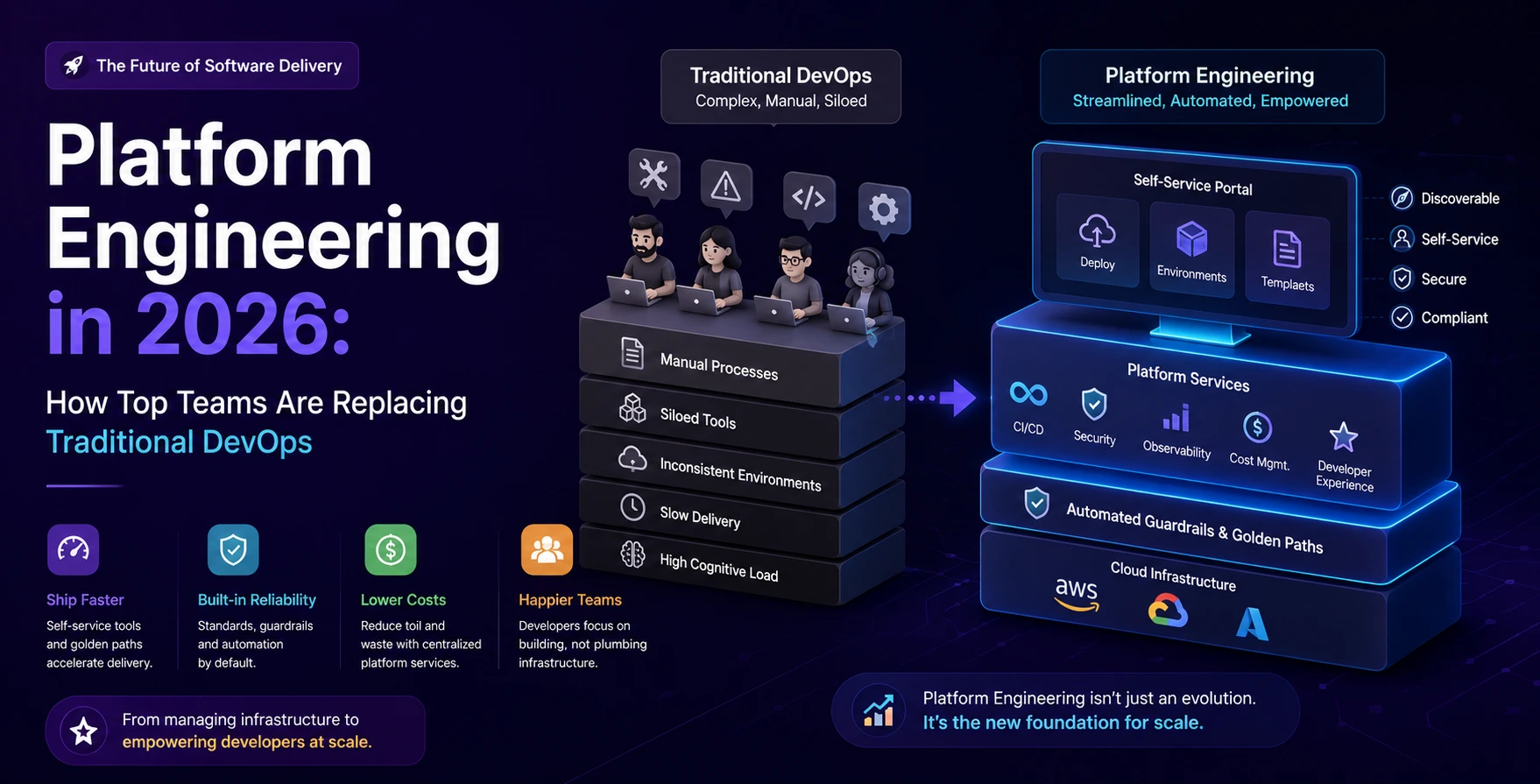
Platform Engineering is a new approach to software development that focuses on creating a seamless developer experience.
This approach is gaining popularity as it helps teams work more efficiently and productively.
By providing a well-designed Internal Developer Platform, teams can reduce the complexity of software development.
What is Platform Engineering?
Platform Engineering is the discipline of designing, building, and operating platforms that enable developers to create and deliver software quickly and reliably.
It involves creating a set of tools, services, and processes that simplify the development process.
The goal of Platform Engineering is to provide a great Developer Experience, making it easy for developers to focus on writing code.
- Streamlines software development
- Improves collaboration among teams
- Enhances Developer Experience
Benefits of Platform Engineering
Platform Engineering offers several benefits, including increased efficiency, improved productivity, and reduced costs.
By automating repetitive tasks and providing a set of pre-built services, teams can focus on high-value tasks.
Additionally, Platform Engineering helps reduce the risk of errors and improves the overall quality of software.
- Increases efficiency and productivity
- Reduces costs and improves quality
- Enhances collaboration and innovation
- Supports continuous integration and delivery
Platform Engineering vs DevOps
While DevOps focuses on bridging the gap between development and operations, Platform Engineering takes a more holistic approach.
Platform Engineering aims to create a seamless developer experience, whereas DevOps focuses on improving the collaboration between teams.
However, both approaches share the same goal of improving the efficiency and productivity of software development.
- DevOps focuses on collaboration
- Platform Engineering focuses on Developer Experience
- Both improve efficiency and productivity
Internal Developer Platform (IDP)
An Internal Developer Platform (IDP) is a set of tools, services, and processes that enable developers to create and deliver software quickly and reliably.
An IDP provides a self-service experience for developers, allowing them to provision resources, deploy code, and monitor applications without requiring extensive operational knowledge.
A well-designed IDP can significantly improve the Developer Experience and reduce the complexity of software development.
- Provides a self-service experience
- Reduces operational complexity
- Improves Developer Experience
- Supports continuous integration and delivery
- Enhances collaboration and innovation
Developer Experience (DevEx)
Developer Experience (DevEx) refers to the experience that developers have when working with a platform, tool, or service.
A good DevEx is essential for attracting and retaining top talent, as well as for improving the overall efficiency and productivity of software development.
A well-designed DevEx should provide a seamless, intuitive, and enjoyable experience for developers.
- Improves developer satisfaction and retention
- Enhances collaboration and innovation
- Supports continuous integration and delivery
Implementing Platform Engineering
Implementing Platform Engineering requires a strategic approach that involves several steps, including assessing current processes, identifying areas for improvement, and designing a tailored platform.
It's essential to involve developers in the design process to ensure that the platform meets their needs and provides a great Developer Experience.
Additionally, it's crucial to establish clear goals, metrics, and feedback mechanisms to measure the success of the platform.
- Assess current processes and identify areas for improvement
- Design a tailored platform that meets developer needs
- Establish clear goals, metrics, and feedback mechanisms
- Involve developers in the design process
Challenges in Platform Engineering
Platform Engineering poses several challenges, including the need for significant cultural and organizational changes, as well as the requirement for substantial investment in tools, services, and processes.
Additionally, it can be challenging to measure the success of a platform and to ensure that it continues to meet the evolving needs of developers.
However, with a well-planned approach and a clear understanding of the benefits, teams can overcome these challenges and achieve significant improvements in efficiency, productivity, and quality.
- Requires significant cultural and organizational changes
- Needs substantial investment in tools, services, and processes
- Challenging to measure success and ensure ongoing relevance
Best Practices for Platform Engineering
To ensure the success of a Platform Engineering initiative, it's essential to follow best practices, including involving developers in the design process, establishing clear goals and metrics, and providing ongoing support and feedback mechanisms.
Additionally, it's crucial to adopt a iterative and incremental approach, focusing on delivering value quickly and continuously improving the platform.
By following these best practices, teams can create a platform that provides a great Developer Experience and supports the efficient and productive delivery of high-quality software.
- Involve developers in the design process
- Establish clear goals and metrics
- Provide ongoing support and feedback mechanisms
- Adopt an iterative and incremental approach
- Focus on delivering value quickly and continuously improving the platform
Case Studies of Successful Platform Engineering
Several organizations have successfully implemented Platform Engineering, achieving significant improvements in efficiency, productivity, and quality.
These case studies demonstrate the benefits of Platform Engineering and provide valuable insights into the challenges and best practices of implementing this approach.
By studying these case studies, teams can gain a deeper understanding of the potential of Platform Engineering and develop a roadmap for their own implementation.
- Improved efficiency and productivity
- Enhanced quality and reliability
- Increased developer satisfaction and retention
The Future of Platform Engineering
The future of Platform Engineering is exciting, with emerging trends and technologies poised to further enhance the Developer Experience and improve the efficiency and productivity of software development.
As the field continues to evolve, we can expect to see increased adoption of Platform Engineering, as well as the development of new tools, services, and processes that support this approach.
By staying at the forefront of these trends and technologies, teams can ensure that they remain competitive and continue to deliver high-quality software quickly and reliably.
- Emerging trends and technologies
- Increased adoption of Platform Engineering
- Development of new tools, services, and processes
Conclusion
Platform Engineering is a powerful approach to software development that focuses on creating a seamless Developer Experience and improving the efficiency and productivity of teams.
By understanding the benefits and challenges of Platform Engineering, as well as the best practices for implementation, teams can create a platform that supports the quick and reliable delivery of high-quality software.
As the field continues to evolve, it's essential to stay informed about the latest trends and technologies and to continuously improve the platform to ensure that it remains relevant and effective.


 In collaboration with