Table of Contents
- Why a Waitlist Matters for SaaS
- The Psychology of Anticipation
- Defining Your Value Proposition
- Optimizing the Waitlist Landing Page
- Driving Traffic Before Launch
- Leveraging Social Proof
- Building a Feedback Loop
- Referral Programs for Early Growth
- The Role of Email Marketing
- Managing Expectations During the Wait
- Transitioning from Waitlist to Product
- Measuring Waitlist Success
- Common Pitfalls to Avoid
- Conclusion
Why a Waitlist Matters for SaaS
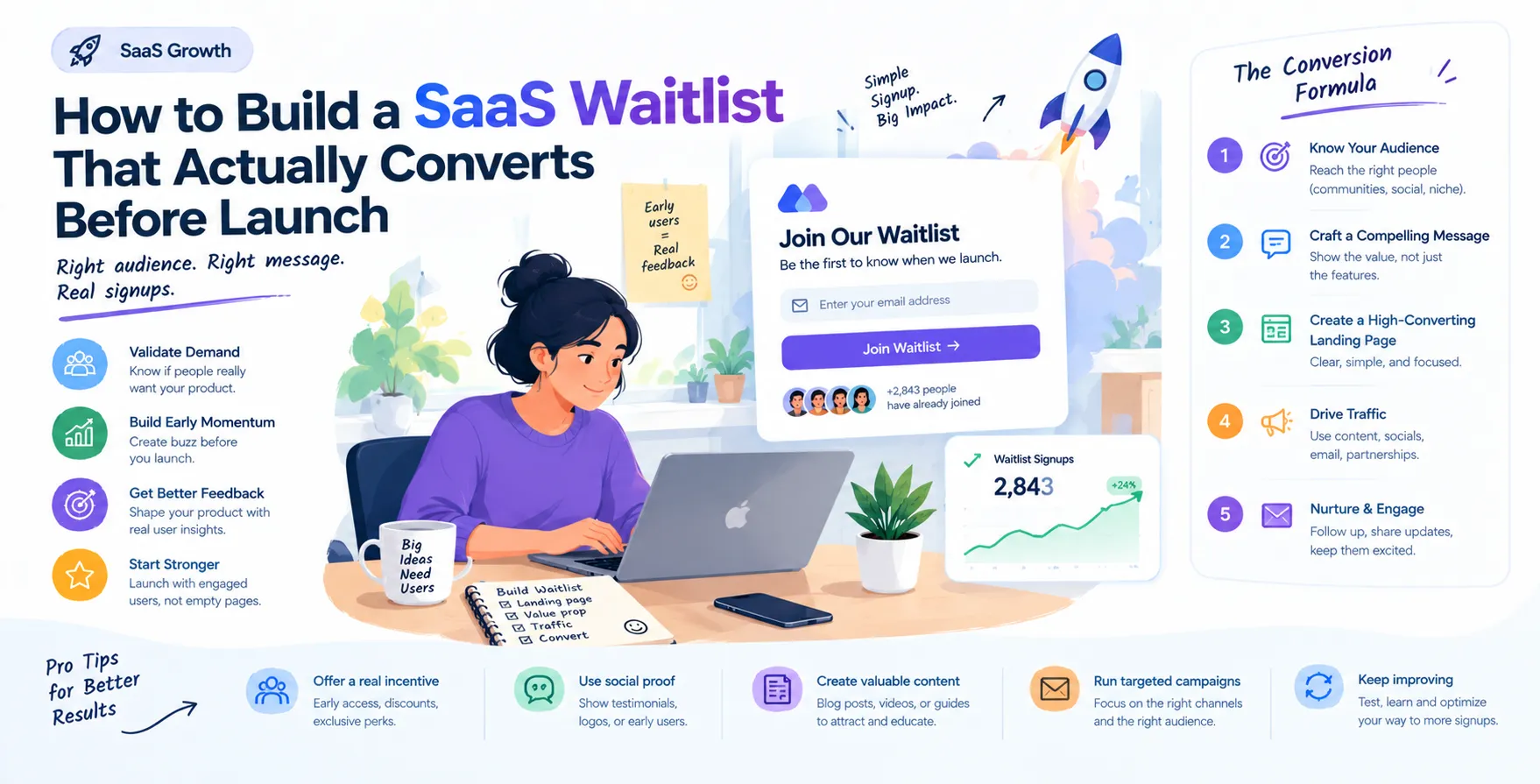
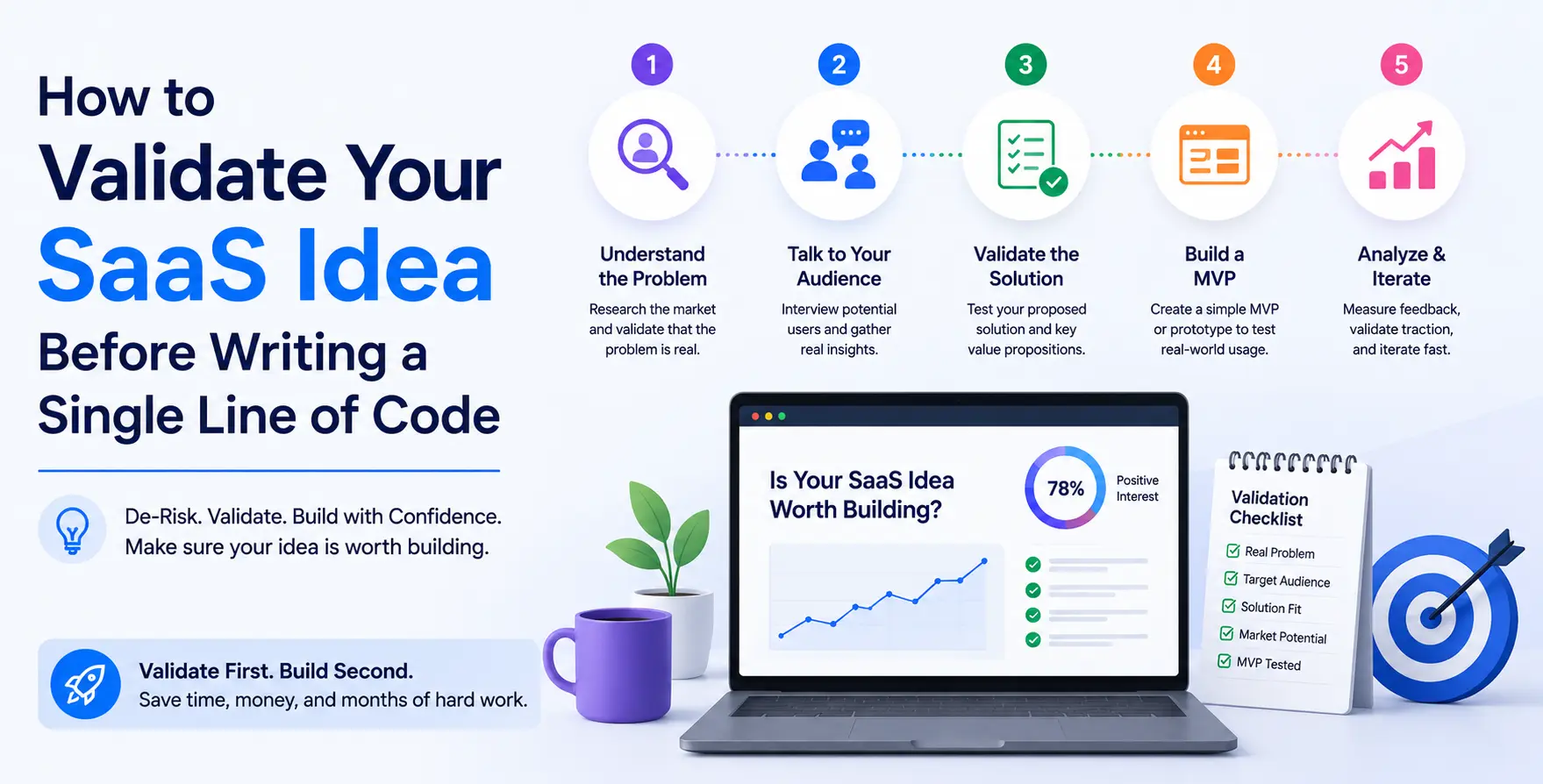
Building a SaaS waitlist is more than just collecting email addresses before your official release. It acts as a critical validation tool that proves your solution solves a real problem.
When you gather early interest, you create a dedicated group of early adopters. These users are your best source of initial feedback and help you refine your product roadmap.
- Validates market demand early
- Builds an initial user base
- Creates momentum before launch
- Reduces the risk of total failure
The Psychology of Anticipation
Human psychology dictates that people want what is exclusive. By positioning your product as something that is not yet public, you tap into the power of scarcity.
A waitlist provides a sense of community for those who join early. They feel like they are part of a select group getting a sneak peek at a future solution.
This excitement is a powerful engine for growth. If you manage this energy well, these early sign-ups become your biggest advocates once you finally go live.
Defining Your Value Proposition
Your landing page must clearly explain what your product does and why it matters. If a visitor cannot understand your offer in five seconds, they will bounce.
Focus on the transformation your software provides. Do not just list features; explain the specific pain points you are solving for your target audience.
Strong messaging is essential for high conversion rates. Use clear, benefit-driven language that speaks directly to the needs of your potential users.
Optimizing the Waitlist Landing Page
Your waitlist landing page is the primary touchpoint for potential customers. It needs to be clean, fast, and laser-focused on a single call to action.
Every element on the page should serve a purpose. Remove distractions like social media links or long navigation menus that pull users away from signing up.
- Clear headline describing the benefit
- Minimalist design for better focus
- Simple email collection form
- Strong call to action button
- Brief explanation of the timeline
Driving Traffic Before Launch
Organic SaaS marketing requires a proactive approach to reach your audience. You cannot simply build a page and hope that people will find it on their own.
Share your journey on platforms where your ideal customers hang out. Engage in communities, answer questions, and provide value before asking for an email sign-up.
The goal is to build an audience that cares about your problem space. When you eventually launch, these people will already be familiar with your perspective.
Leveraging Social Proof
New startups often lack a track record, which makes building trust difficult. You can overcome this by showcasing any early feedback or endorsements you have gathered.
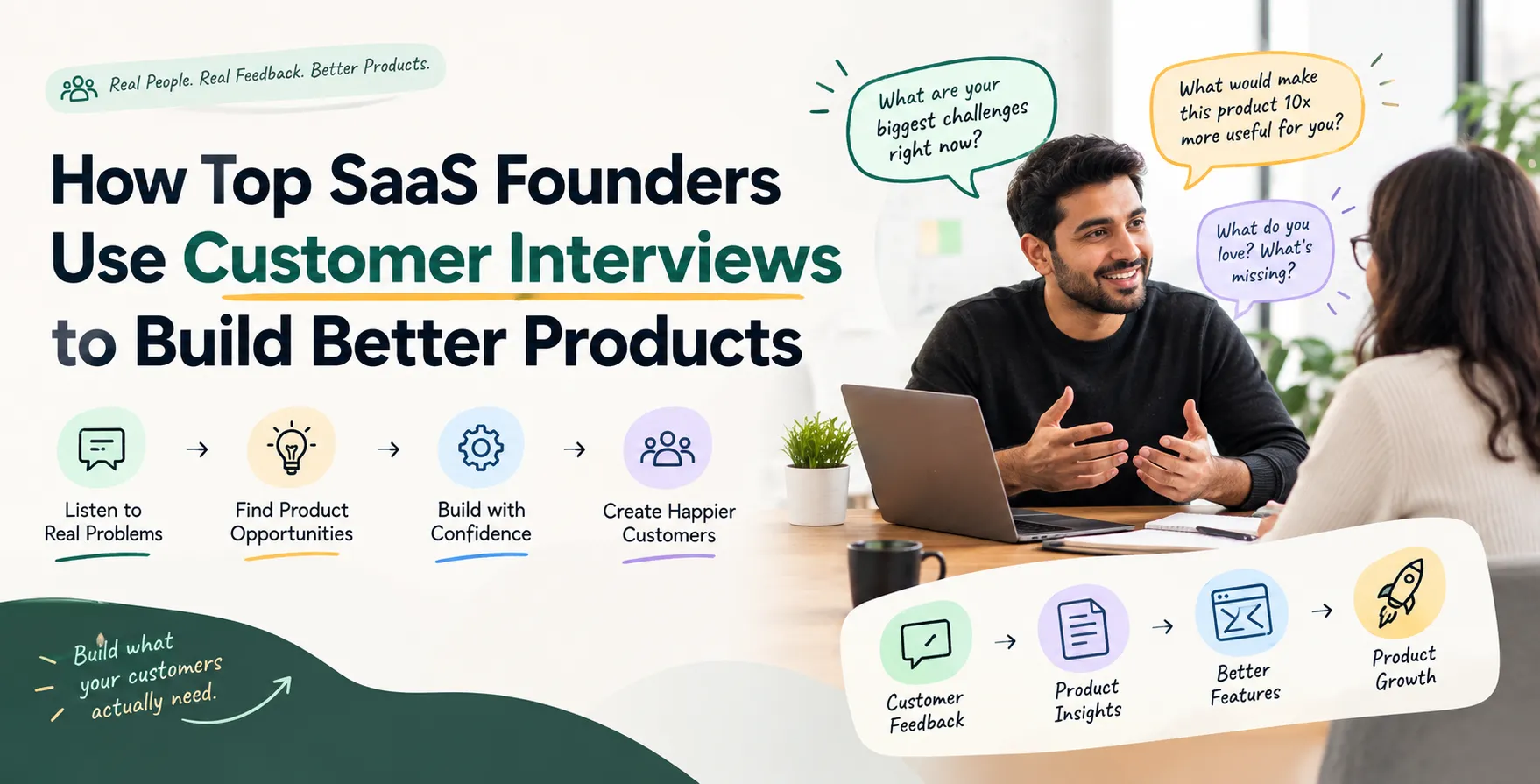
If you have conducted user interviews for product development, summarize the common problems users face. This validates that you have done the homework to understand the market.
Even small signals of interest count as social proof. Showing that others have already signed up can create a powerful network effect for your product launch.
Building a Feedback Loop
Do not let your waitlist go silent after the sign-up. Use this time to engage with your subscribers and learn as much as possible about their needs.
Send out occasional updates or ask targeted questions to your list. This keeps them warm and provides you with invaluable insights into what they actually want to see.
- Ask about current workflow challenges
- Invite users to beta testing
- Share development progress updates
- Request input on feature priorities
- Provide early access to documentation
Referral Programs for Early Growth
Gamification is an excellent way to turn your existing list into a marketing engine. Offer early access or exclusive perks for users who refer friends and colleagues.
A simple referral mechanism can exponentially increase your reach. People trust recommendations from their peers far more than they trust generic advertisements.
Ensure the rewards are relevant to your product. Early access to features is often more valuable than monetary discounts for a new software platform.
The Role of Email Marketing
Your email sequence is the bridge between a visitor and a paid user. Treat your subscribers with respect by providing value in every single communication.
Keep your emails personal and direct. Avoid overly polished marketing jargon that sounds like it was written by a corporate bot instead of a founder.
Consistency is key to maintaining interest. If you go months without contact, your subscribers will forget why they signed up in the first place.
Managing Expectations During the Wait
Being honest about your progress builds long-term trust. If you hit a delay, communicate it clearly rather than keeping your audience in the dark.
Founders often fear that delays will lose them users, but transparency usually does the opposite. Most people appreciate knowing the reality behind the build process.
- Be transparent about release dates
- Update users on core features
- Explain the vision clearly
Transitioning from Waitlist to Product
When the big day arrives, ensure your transition is seamless. You should have a clear plan to onboard your waitlist members into your application.
Consider a staged rollout if your infrastructure is still scaling. This helps you manage the load and ensures that your first users get a high-quality experience.
Make sure your onboarding flow is intuitive. The first few minutes in your app will determine whether those waitlist members become paying customers or churn immediately.
Measuring Waitlist Success
Data should guide your decisions throughout the pre-launch phase. Track your conversion rates from different traffic sources to see what messages resonate the most.
A low conversion rate might indicate that your landing page design is problematic. A high bounce rate might suggest that your messaging is not aligning with the audience.
Use these metrics to iterate on your approach. Continuous improvement is necessary to ensure your launch results in actual revenue and sustained growth.
Common Pitfalls to Avoid
Many founders fail because they treat their waitlist as an afterthought rather than a core part of their growth strategy. Avoid these common mistakes to stay on track.
- Ignoring your email subscribers
- Promising features you cannot deliver
- Overcomplicating the landing page
- Failing to ask for feedback
- Launching without a clear plan
Conclusion
Building a successful waitlist is about more than just numbers; it is about building a relationship with your future customers. By prioritizing engagement and transparency, you create a foundation for a successful product launch.
Use this time to learn, refine your value proposition, and build genuine excitement. When you finally release your software, you will have a group of ready-to-buy users waiting to get started.


 In collaboration with