Table of Contents
- Introduction
- Understanding IT Consulting ROI
- The Financial Impact of Strategic Tech Advice
- Preventing Costly Digital Transformation Failures
- Optimizing Software Infrastructure and Architecture
- Legacy Modernization vs Building New Systems
- Evaluating Custom Software vs Off-the-Shelf Solutions
- Mitigating Risk with a Dedicated Discovery Phase
- Strategic Resource Allocation: In-House vs Outsourcing
- Measuring Quantifiable Business Savings
- Common Mistakes When Hiring IT Consultants
- Selecting the Right Tech Consulting Partner
- Conclusion
Introduction
Technology decisions can make or break a modern enterprise. Choosing the wrong stack or misallocating engineering budgets often leads to massive operational inefficiency.
Navigating complex technical choices requires specialized expertise and clear commercial foresight. Executives need accurate calculations to evaluate prospective tech advice ROI before committing capital.
Understanding IT Consulting ROI
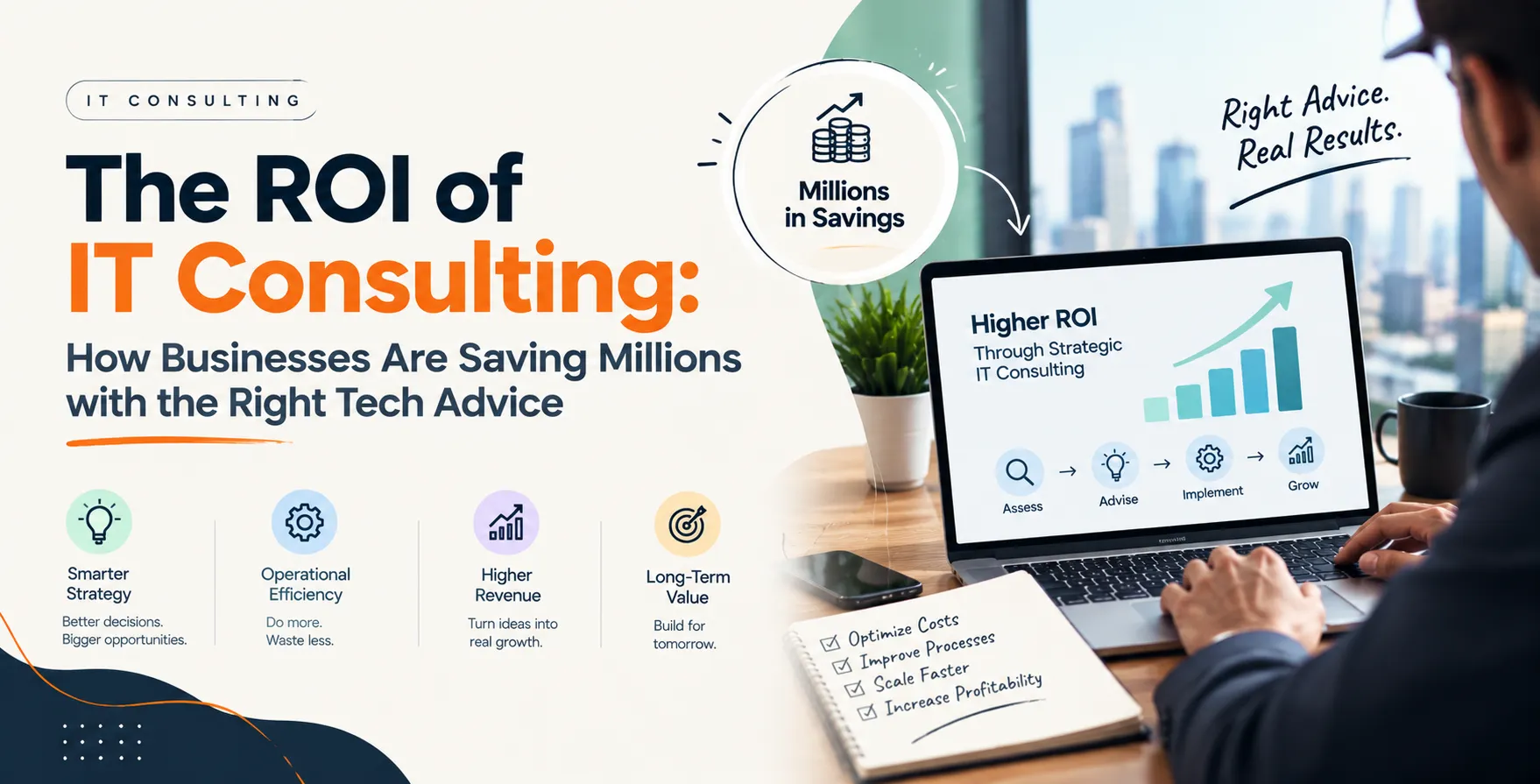
Calculating IT consulting ROI requires looking beyond immediate advisory fees. True value emerges from long-term capital preservation, risk mitigation, and accelerated market delivery.
Expert consultants audit existing workflows to spot structural bottlenecks. They eliminate redundant tools and align engineering capacity directly with revenue goals.
Preventing a single flawed architectural choice can save millions in future refactoring. Strategic advisory services ensure technology investments yield quantifiable commercial returns.
The Financial Impact of Strategic Tech Advice
Strategic advisory services help organizations make informed decisions about technology spending. Expert guidance aligns software investments with concrete commercial targets.
These strategic interventions deliver measurable financial benefits across business units.
- Reduces unnecessary software licensing costs
- Eliminates duplicate engineering efforts
- Accelerates time to market for key products
- Optimizes cloud infrastructure spending
- Streamlines internal operational workflows
Capturing these operational gains leads directly to substantial business savings with IT consulting over multi-year technology cycles.
Preventing Costly Digital Transformation Failures
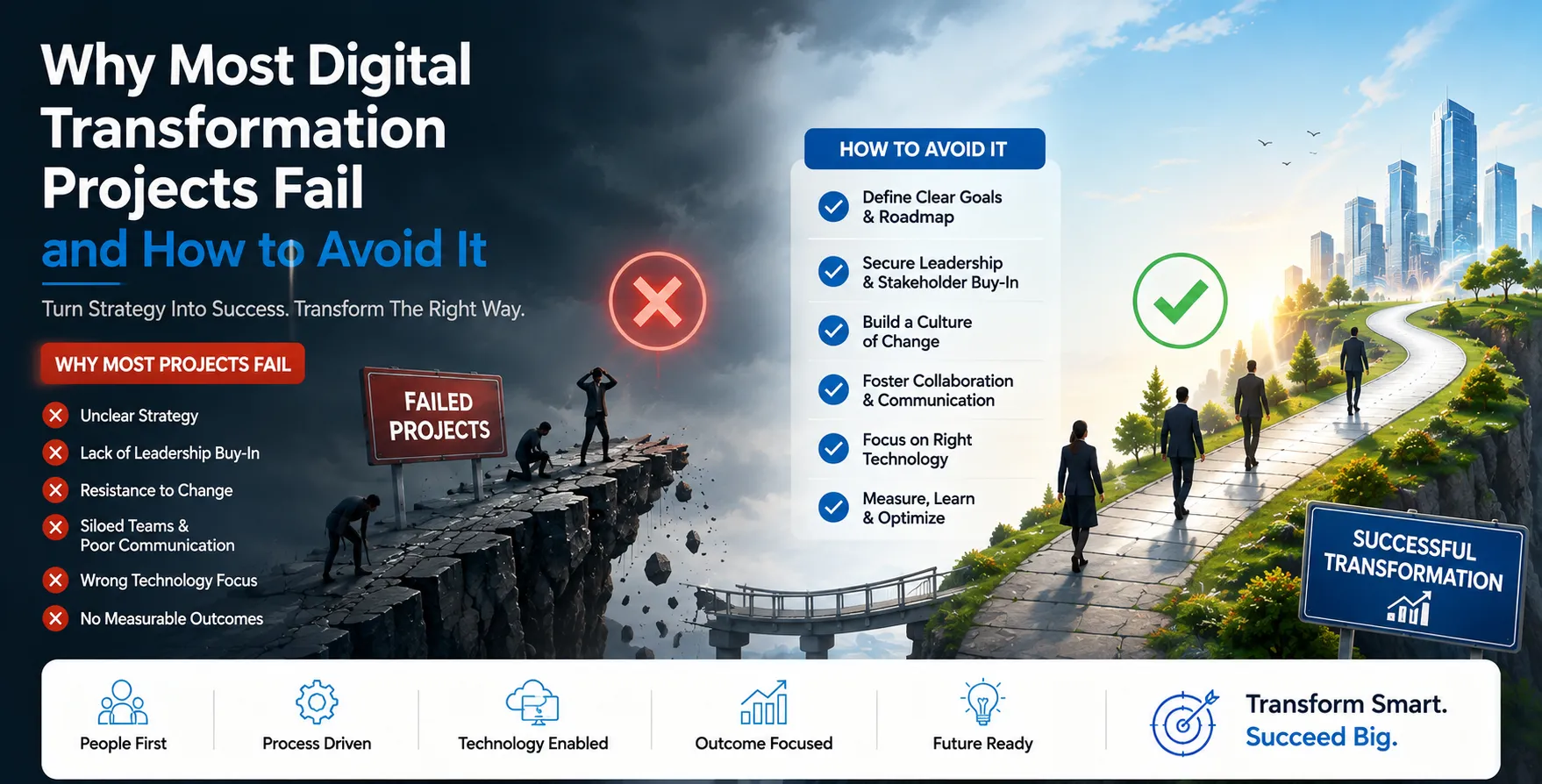
Many digital transformation initiatives fail due to poor planning and misaligned priorities. External consultants bring objective insights to keep complex projects on track.
Executing a successful business digital transformation requires balancing immediate operational needs with long-term strategic goals.
- Prevents expensive scope creep
- Aligns stakeholder expectations early
- Identifies technical roadblocks beforehand
- Enforces strict project governance
Securing strategic oversight ensures your transformation investment delivers expected enterprise value. Clear IT consulting benefits become evident through predictable execution.
Optimizing Software Infrastructure and Architecture
A weak foundation creates severe performance bottlenecks and ballooning cloud bills. Experienced consultants analyze system architecture to eliminate systemic friction points.
Refactoring poor software architecture reduces operational overhead while expanding throughput capacity. Proper modular design prevents cascading system failures during peak workloads.
Optimized infrastructure cuts server expenditures and frees developer capacity for high-impact business features.
Legacy Modernization vs Building New Systems
Deciding between upgrading existing code bases and building replacement software requires rigorous financial and technical analysis.
| Factor |
Legacy Modernization |
Building New Systems |
| Initial Outlay |
Moderate and incremental |
High upfront investment |
| Time to Market |
Faster incremental releases |
Slower initial launch cycle |
| Operational Risk |
Low business disruption |
High transitional risk |
| System Flexibility |
Constrained by legacy code |
Maximum architectural freedom |
| Long-Term Cost |
Gradual reduction over time |
Lowest post-launch overhead |
Evaluating Custom Software vs Off-the-Shelf Solutions
Choosing between off-the-shelf software and custom development is a critical strategic decision. Off-the-shelf options provide immediate availability but carry perpetual subscription fees.
Custom software demands higher initial capital but grants total operational control. Tailored systems fit unique business workflows without forcing expensive process compromises.
Technical advisors analyze long-term licensing costs against custom development expenditures to determine the most profitable path.
Mitigating Risk with a Dedicated Discovery Phase
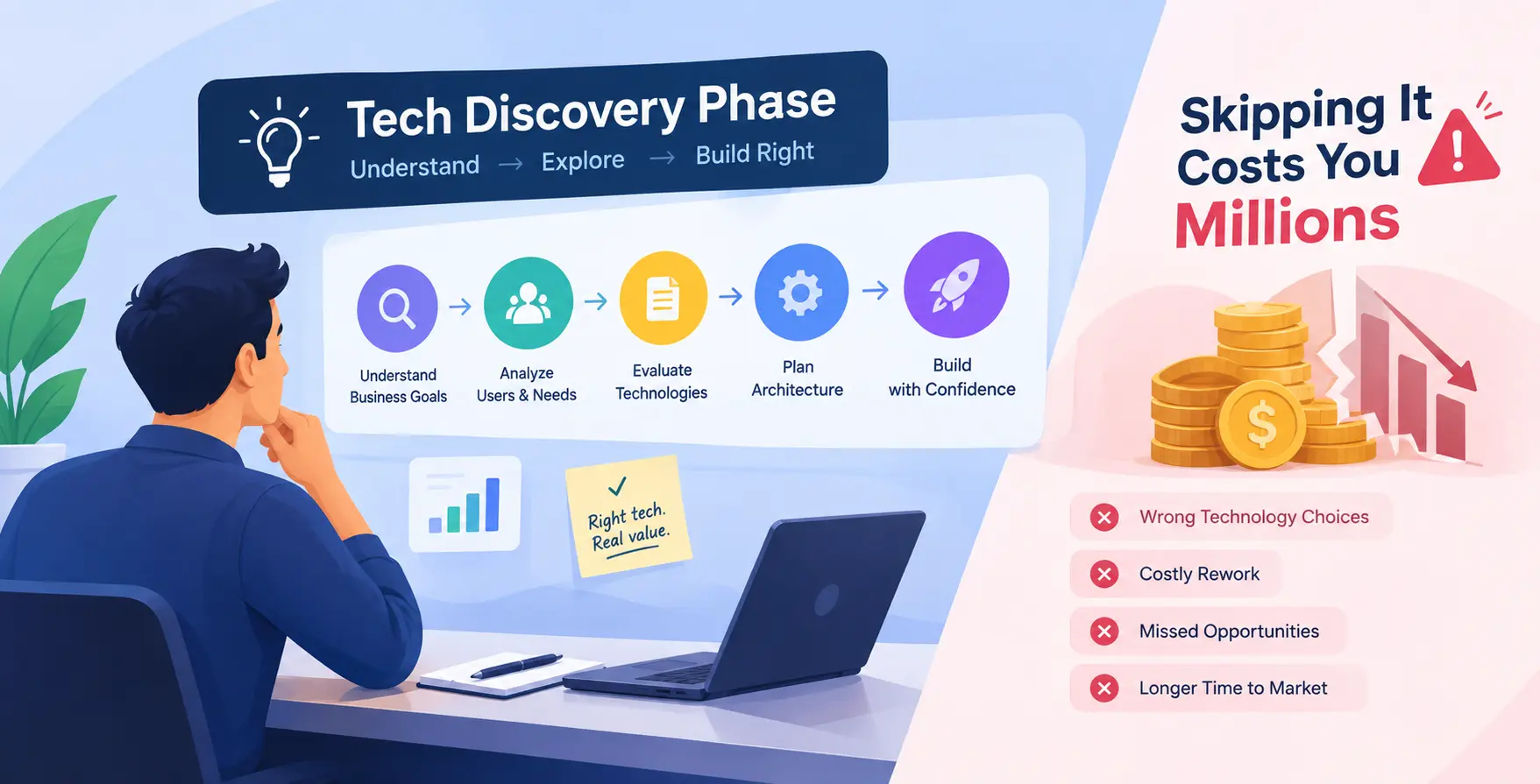
Rushing straight into development without thorough technical validation invites severe cost overruns. A structured discovery process clarifies scope and technical feasibility.
Executing a comprehensive software development discovery phase protects budgets from unverified technical assumptions.
- Validates core technical requirements
- Establishes accurate project estimates
Validating architectural assumptions upfront yields an exceptional tech advice ROI by preventing wasted development sprints.
Strategic Resource Allocation: In-House vs Outsourcing
Determining the right balance between internal teams and external talent directly impacts engineering velocity and operational budgets.
In-House Cost Drivers
Building fully internal engineering teams introduces fixed operational costs and recruiting overhead.
- High continuous recruiting costs
- Long onboarding and training periods
- Fixed salary and benefits liabilities
- Retention and turnover risks
- Unused capacity during slow cycles
- Limited specialized niche expertise
Managing these fixed overheads requires constant executive attention and substantial budget allocation.
Strategic Outsourcing
Leveraging specialized third-party talent provides elastic scaling and immediate access to senior engineers.
Strategic software development outsourcing allows businesses to scale capacity dynamically based on project demand.
- Flexible team scaling capabilities
- Immediate access to specialized skills
- Reduced fixed operational overhead
- Predictable project-based expenditure
Combining internal domain knowledge with external engineering agility yields optimal capital efficiency.
Measuring Quantifiable Business Savings
Evaluating the impact of external advisory requires tracking concrete financial metrics over time. Clear data demonstrates real business savings with IT consulting across corporate initiatives.
Establishing key baseline performance indicators allows leaders to calculate precise overall IT consulting ROI.
- Lower infrastructure maintenance expenditure
- Reduced software bug remediation costs
- Faster customer onboarding cycles
- Decreased reliance on legacy vendors
- Higher developer throughput metrics
Tracking these performance metrics provides clear proof of technological and financial optimization.
Common Mistakes When Hiring IT Consultants
Failing to establish clear objectives before engaging advisory services often leads to wasted budget. Organizations must manage vendor relationships with strict accountability.
Avoiding standard consulting traps ensures project outcomes align with strategic business goals.
- Hiring without clear project scope
- Focusing solely on hourly rates
- Ignoring practical hands-on experience
- Failing to establish measurable KPIs
Setting explicit expectations upfront guarantees maximum return from consulting engagements.
Selecting the Right Tech Consulting Partner
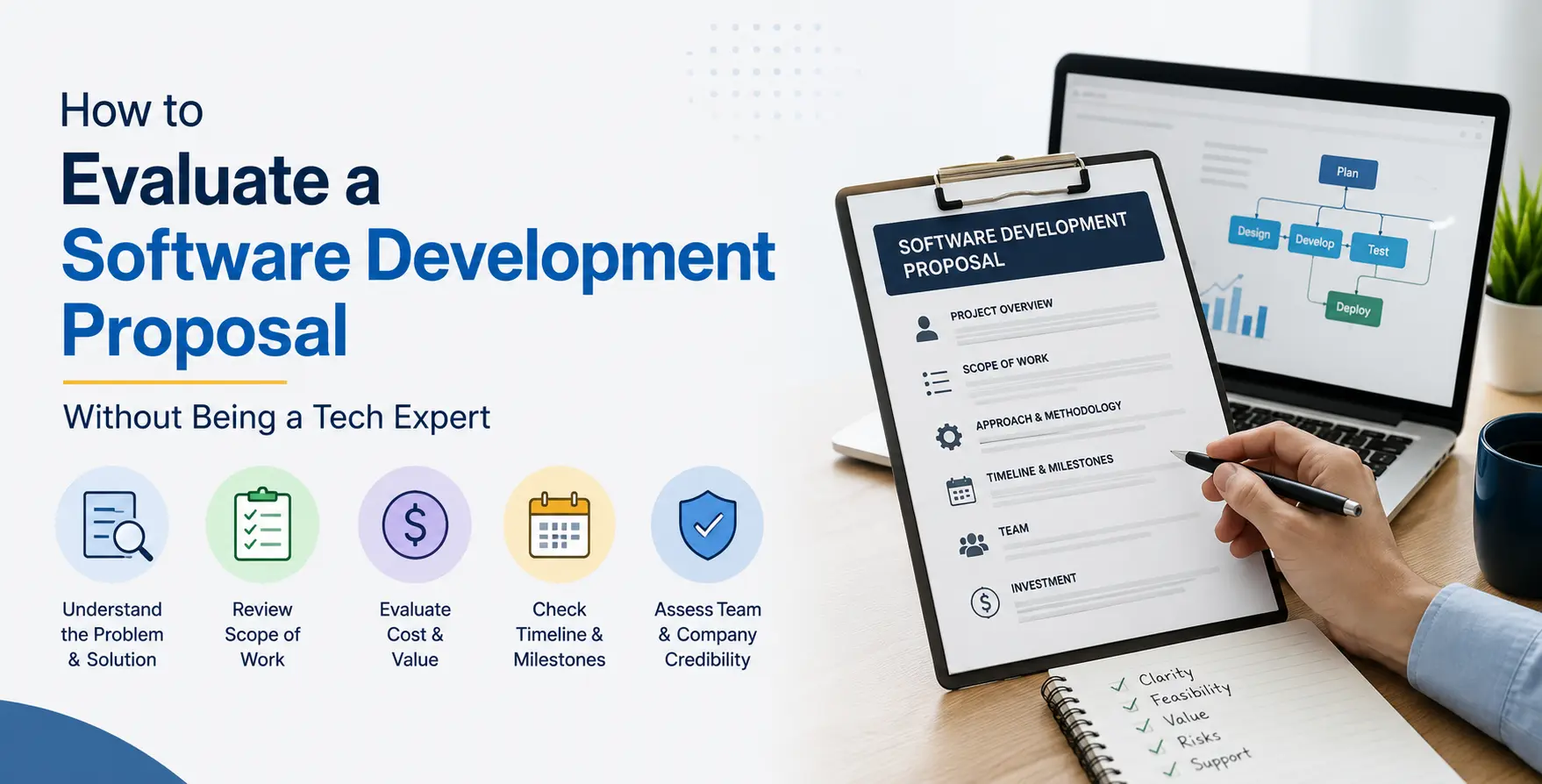
Finding a trusted advisory partner requires evaluating technical expertise and industry track record. The right partner understands both engineering constraints and commercial goals.
Knowing how to choose a software development company for advisory ensures smooth collaboration and predictable results.
- Proven domain specialization
- Transparent communication practices
- Strong client reference record
Partnering with experienced advisors unleashes tangible IT consulting benefits across your entire technology portfolio.
Conclusion
Investing in strategic IT consulting enables businesses to optimize technology spend, avoid costly mistakes, and scale efficiently. The right advice turns complex engineering challenges into predictable business growth.
By conducting thorough technical planning and making informed architectural decisions, enterprises secure long-term commercial advantages. Expert technical guidance continues to deliver multi-million dollar savings for forward-thinking organizations.


 In collaboration with