Table of Contents
- Introduction to Software Development
- What is In-House Development?
- What is Outsourcing Development?
- Benefits of In-House Development
- Benefits of Outsourcing Development
- Challenges of In-House Development
- Challenges of Outsourcing Development
- How to Choose Between In-House and Outsourcing
- Best Practices for Outsourcing Development
- Common Mistakes to Avoid
- Real-Life Examples of Success
- Conclusion
- Future of Software Development
Introduction to Software Development
Software development is a crucial aspect of any business. It can make or break your company.
With the rise of technology, businesses need to adapt to stay competitive.
This is where the decision between in-house vs outsourcing development comes in.
What is In-House Development?
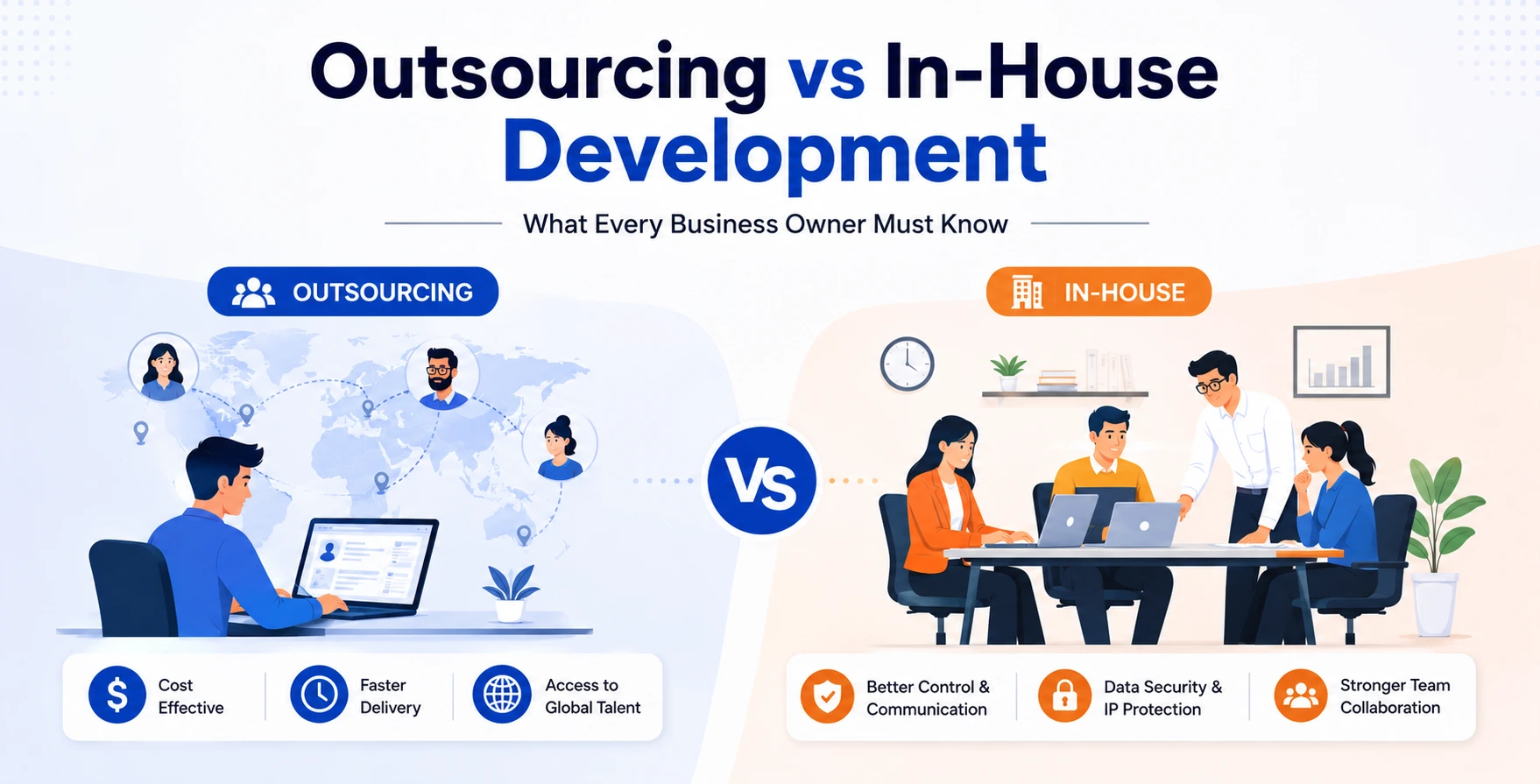
In-house development refers to the process of building software within your company.
This approach has its benefits, including more control and better communication.
However, it also requires significant investment in talent and resources.
- More control over the development process
- Better communication among team members
- Higher upfront costs
What is Outsourcing Development?
Outsourcing development involves hiring a third-party company to build your software.
This approach can be beneficial for businesses that lack the necessary expertise or resources.
When you outsource software development, you can tap into a global talent pool.
- Access to a global talent pool
- Reduced upfront costs
- Potential communication barriers
Benefits of In-House Development
In-house development offers several benefits, including better control and security.
When you develop software in-house, you have more control over the process.
This can lead to higher quality and better alignment with your business goals.
- Better control over the development process
- Improved security and intellectual property protection
- Higher quality and alignment with business goals
- Increased job satisfaction and retention
Benefits of Outsourcing Development
Outsourcing development has its own set of benefits, including reduced costs and increased flexibility.
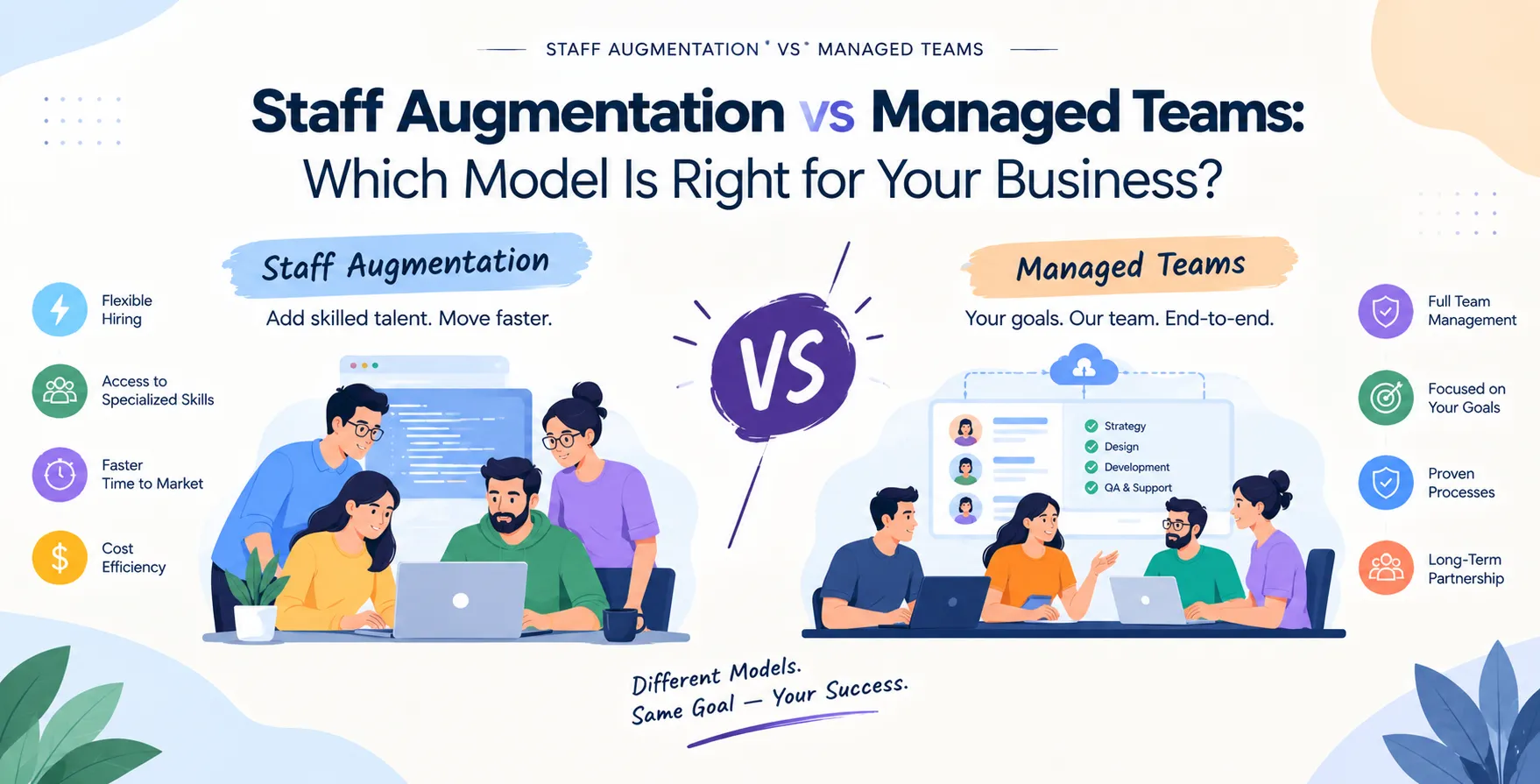
When you hire dedicated software developers, you can scale your team up or down as needed.
This approach can be particularly beneficial for small businesses or startups.
- Reduced costs and increased flexibility
- Access to specialized skills and expertise
- Faster time-to-market and increased efficiency
- Reduced administrative burden
- Improved scalability
Challenges of In-House Development
In-house development comes with its own set of challenges, including higher costs and talent acquisition.
Attracting and retaining top talent can be difficult and expensive.
This can lead to delays and increased costs.
- Higher costs and talent acquisition challenges
- Difficulty in scaling up or down
- Limited access to specialized skills and expertise
Challenges of Outsourcing Development
Outsourcing development also has its challenges, including communication barriers and security risks.
When you outsource software development company, you need to ensure that they follow best practices.
This includes data protection and intellectual property security.
- Communication barriers and cultural differences
- Security risks and data protection concerns
- Dependence on the outsourcing company
- Potential for misunderstandings and miscommunication
How to Choose Between In-House and Outsourcing
Choosing between in-house and outsourcing development depends on your business needs and goals.
You need to consider factors such as cost, talent, and scalability.
This will help you make an informed decision.
- Define your business needs and goals
- Assess your budget and resources
- Evaluate your talent and expertise
Best Practices for Outsourcing Development
When outsourcing development, there are best practices you should follow.
This includes clearly defining your requirements and expectations.
You should also establish open communication channels.
- Clearly define your requirements and expectations
- Establish open communication channels
- Set realistic timelines and milestones
- Monitor progress and provide feedback
Common Mistakes to Avoid
There are common mistakes to avoid when outsourcing development.
This includes not clearly defining your requirements and expectations.
You should also avoid underestimating the importance of communication.
- Not clearly defining requirements and expectations
- Underestimating the importance of communication
- Not establishing a clear timeline and budget
Real-Life Examples of Success
There are many real-life examples of businesses that have successfully outsourced development.
These businesses have achieved significant cost savings and improved efficiency.
They have also been able to tap into specialized skills and expertise.
- Cost savings and improved efficiency
- Access to specialized skills and expertise
- Increased scalability and flexibility
Conclusion
In conclusion, the decision between in-house and outsourcing development depends on your business needs and goals.
Both approaches have their benefits and challenges, and it is essential to weigh these carefully.
By considering factors such as cost, talent, and scalability, you can make an informed decision.


 In collaboration with