Table of Contents
- Introduction to PostgreSQL 18
- Why Upgrading Matters
- Core Performance Improvements
- Enhanced Security Protocols
- Advanced Query Optimization
- New Data Types and Extensions
- Managing Database Maintenance
- Scaling Read-Heavy Workloads
- Connection Pooling Enhancements
- Improving Indexing Strategies
- Handling Large Data Sets
- Preparing for the Upgrade
- PostgreSQL 18 Upgrade Challenges
- Conclusion
Introduction to PostgreSQL 18
The database landscape is shifting, and the latest release brings significant changes for engineering teams. PostgreSQL 18 features developers need to know before upgrading include major enhancements in query planning and resource management.
Staying current with database technology is no longer optional for high-performance applications. Whether you are building new systems or maintaining legacy ones, understanding the latest capabilities is essential.
- Improved execution planning
- Enhanced memory management
- Better diagnostic tools
Why Upgrading Matters
Upgrading your database engine is more than just getting the latest version number. It is about unlocking performance gains that were previously impossible with older architectures.
A well-planned PostgreSQL 18 upgrade provides access to modern features that can reduce compute costs and improve latency. Neglecting these updates often leads to technical debt that slows down development cycles.
Core Performance Improvements
Performance is usually the primary driver for any database migration. The latest release introduces clever ways to handle CPU cycles more efficiently during complex transactions.
Parallel Execution Efficiency
Parallel processing has received significant attention to ensure better hardware utilization. These changes help reduce the time taken for heavy analytical workloads.
- Better worker process allocation
- Reduced synchronization overhead
- Optimized join performance
Developers will notice that long-running reports execute faster without extra hardware. This is a critical win for data-intensive applications.
Memory Management
Managing memory is the cornerstone of database stability. The new version refines how buffers are allocated to prevent thrashing under high load.
- Dynamic buffer resizing
- Improved cache eviction policies
- Lower memory footprint for connections
These refinements ensure that your database remains responsive even when traffic spikes unexpectedly.
Enhanced Security Protocols
Security remains a top priority for any enterprise software development company. PostgreSQL 18 introduces more granular controls over user permissions and data access patterns.
These features protect sensitive information against evolving threats. Implementing them requires careful configuration but offers peace of mind for production environments.
- Advanced audit logging capabilities
- Stricter password hashing defaults
- Improved encryption at rest
Advanced Query Optimization
The query planner is the brain of the database. In this release, the planner has become significantly better at guessing the most efficient route for complex SQL.
This means your applications spend less time waiting for results. It specifically helps in scenarios where joins involve tables with skewed data distributions.
New Data Types and Extensions
Modern applications require flexible data structures. PostgreSQL 18 expands the native support for specialized formats that simplify how we store and query unstructured data.
JSON Handling
Native JSON processing is faster and more intuitive than ever. Developers can now leverage native functions that reduce the need for external processing logic.
- Improved parsing speed
- New validation constraints
- Enhanced search operators
This allows for more complex data modeling without sacrificing performance.
Advanced Geometric Data
New spatial functions simplify complex calculations in mapping and location-based services. These features reduce the burden on application-level code.
- Refined coordinate transformations
- Faster distance calculations
Managing Database Maintenance
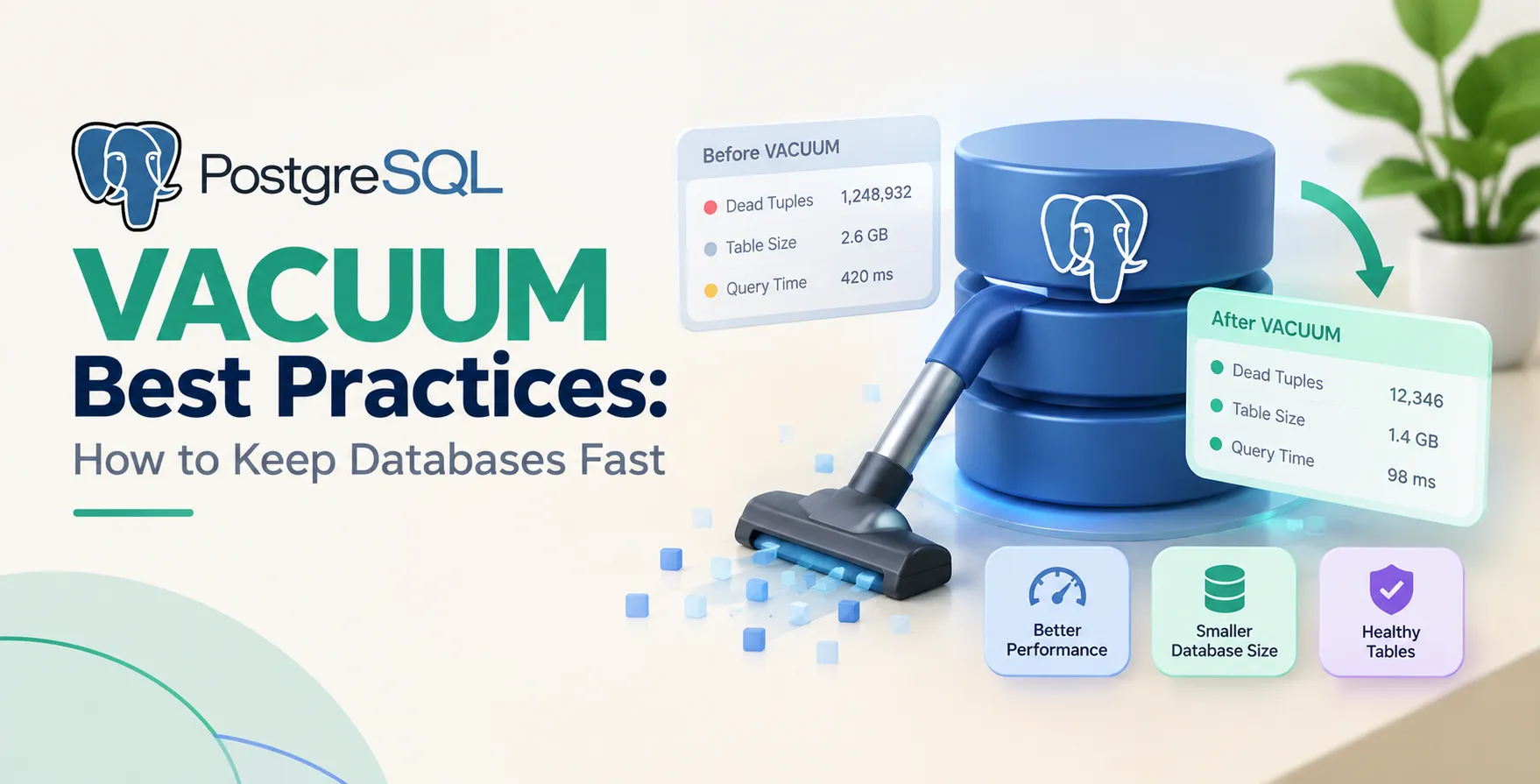
Effective maintenance is the backbone of long-term stability. Understanding how to integrate PostgreSQL VACUUM best practices to keep databases fast is essential during this transition period.
Automated routines have been improved to reduce the impact of background processes. This ensures that maintenance tasks do not interfere with peak traffic periods.
| Feature |
Old Behavior |
PostgreSQL 18 |
| Maintenance |
Blocking operations |
Non-blocking background tasks |
| Cleanup |
High I/O impact |
Adaptive I/O scheduling |
| Throughput |
Moderate |
High |
Scaling Read-Heavy Workloads
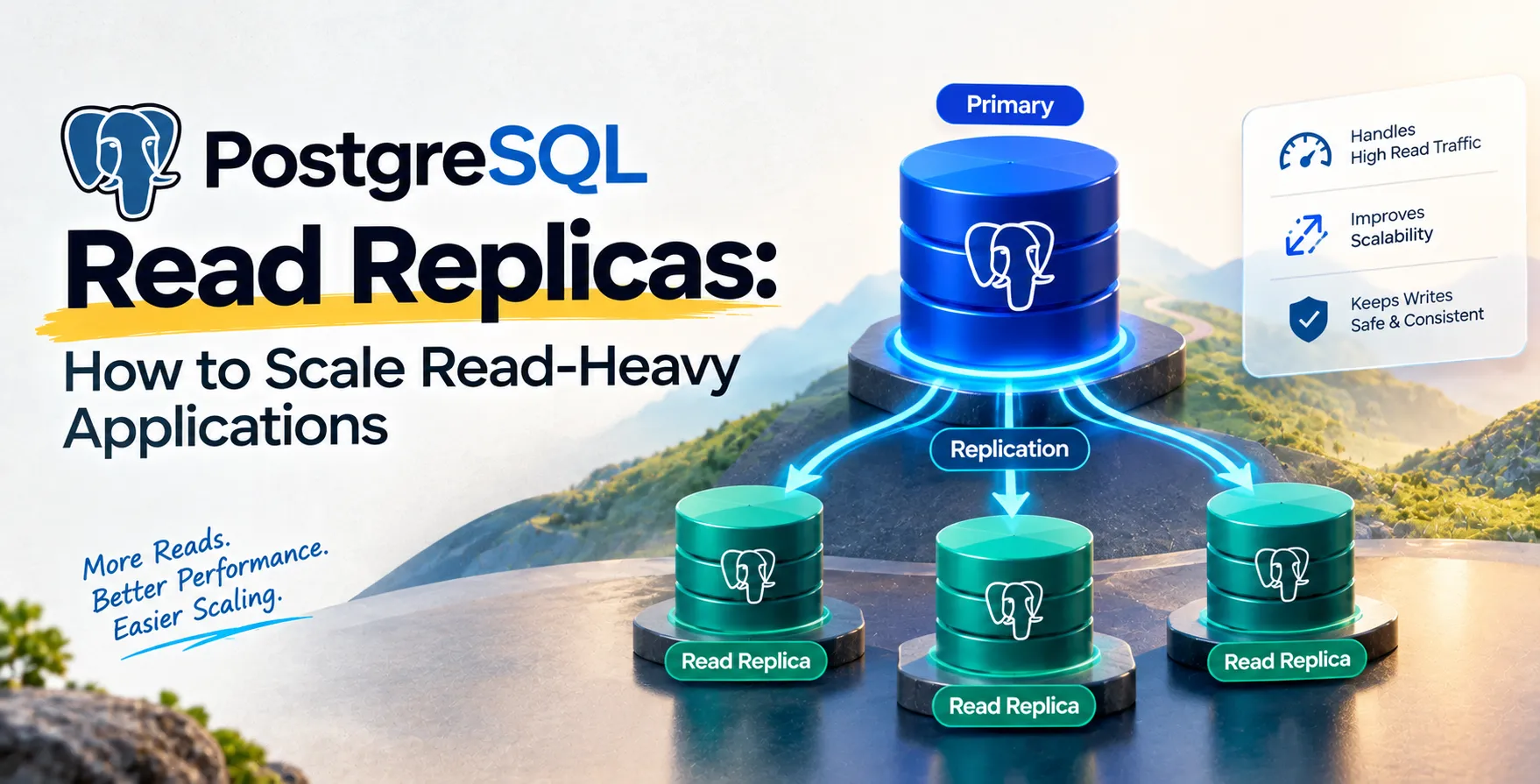
Scaling read-heavy applications requires a robust strategy for data distribution. Leveraging PostgreSQL read replicas for scaling read-heavy applications is now easier due to improved replication stream handling.
This reduction in latency ensures that your secondary nodes remain closely synced with the primary. It is a vital improvement for global applications.
Connection Pooling Enhancements
Managing connections efficiently is a common pain point in high-traffic environments. Learning how to configure PostgreSQL connection pooling with PgBouncer remains relevant as the engine becomes more efficient at handling thousands of concurrent sessions.
Properly configured pools keep your resource usage predictable. This prevents the common issue of exhausted connection slots during unexpected traffic surges.
Improving Indexing Strategies
Proper indexing is the secret to fast applications. Mastering PostgreSQL indexing best practices for web applications allows you to take full advantage of the new engine's search capabilities.
The latest version allows for more efficient index builds. This minimizes the time tables spend in a locked state during maintenance.
- Faster concurrent index creation
- Reduced index bloat
- Improved B-tree performance
Handling Large Data Sets
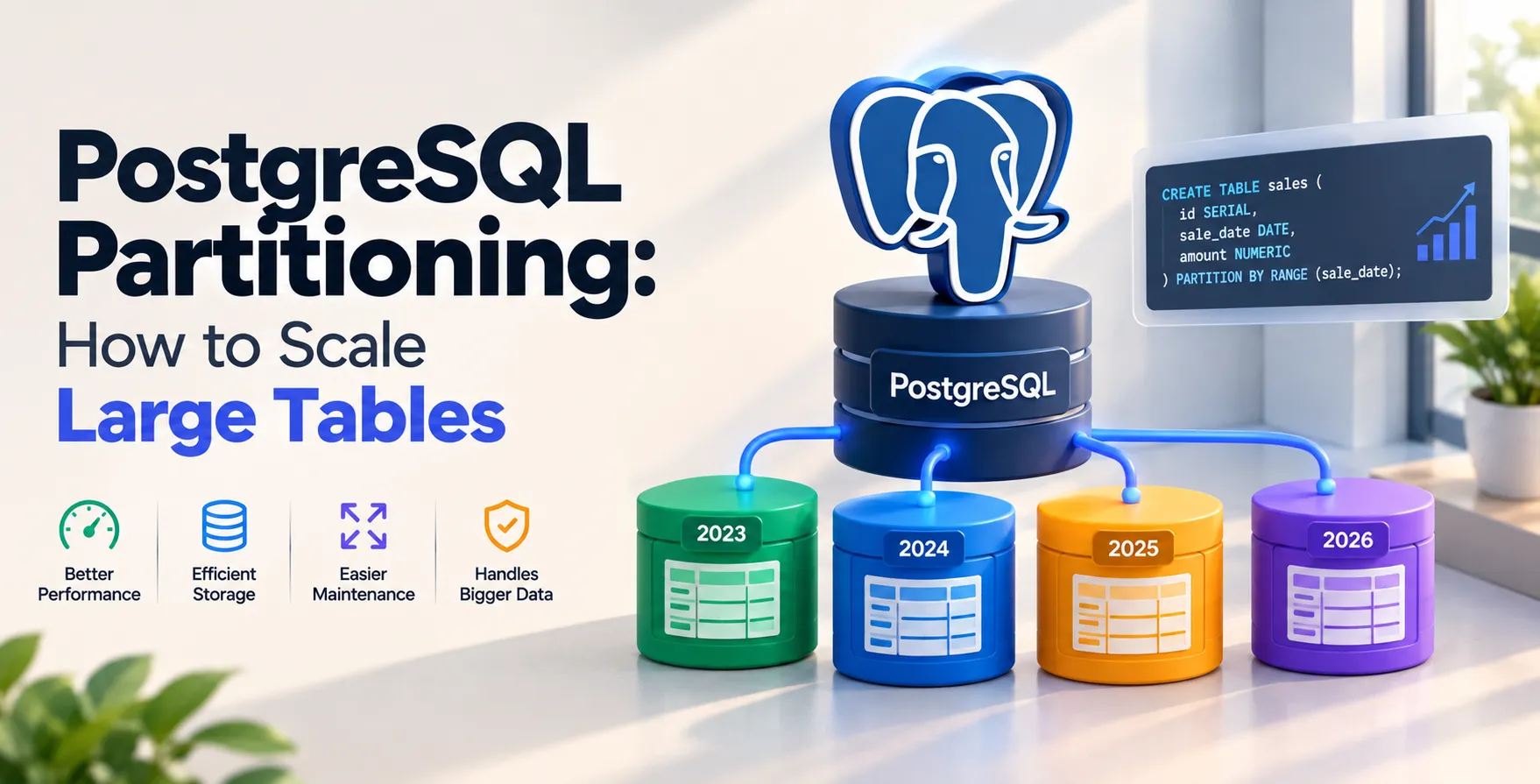
Managing massive tables is a challenge for any database administrator. Implementing PostgreSQL partitioning for large tables has become more efficient with the latest engine updates.
Partition pruning is smarter, ensuring that the database engine scans only the necessary partitions. This dramatically speeds up queries that target specific date ranges or categories.
Preparing for the Upgrade
Moving to a new version requires a methodical approach. Start by testing your applications in a staging environment that mirrors your production configuration.
Document all your custom extensions and configurations. Verify that they are compatible with the new release before scheduling the final switch.
- Backup your data
- Test migration scripts
- Validate performance benchmarks
- Update application drivers
- Monitor replication status
A staged approach minimizes downtime and prevents unexpected issues. Always have a rollback plan ready in case of unforeseen failures.
PostgreSQL 18 Upgrade Challenges
Every major upgrade comes with potential risks. The biggest challenge is often not the database itself, but the application code that relies on specific database behaviors.
Some older query patterns might need refactoring to take advantage of new planner improvements. Additionally, deprecated features may finally be removed, requiring code updates.
Thorough testing in a sandbox environment is the only way to identify these issues early. Do not skip this step, or you risk breaking production functionality.
Conclusion
The transition to the latest version is a strategic move for any team looking to optimize their infrastructure. By understanding the new performance gains and security features, you can ensure a smooth migration.
Careful planning and rigorous testing are the keys to a successful transition. Once you leverage these new capabilities, you will find that your database is more resilient, faster, and easier to maintain.


 In collaboration with