Table of Contents
- Introduction
- Defining Your Project Scope
- Why Clarity Matters in Your RFP
- Key Components of a Successful RFP
- Technical Requirements and Tech Stack
- Budget and Timeline Expectations
- Selection Criteria and Evaluation Process
- Comparing Engagement Models
- Handling Staff Augmentation Services
- Managing Communication and Culture Fit
- Common RFP Mistakes to Avoid
- The Importance of a Discovery Phase
- Final Thoughts
Introduction
Writing a Request for Proposal is often the most daunting part of starting a new software initiative. Many business leaders struggle because they lack the technical vocabulary to describe their vision accurately.
A well-structured document acts as a filter. It ensures that the proposals you receive are from vendors capable of handling your specific needs.
Defining Your Project Scope
Before you send out a document, you must know exactly what you are building. Ambiguity in your requirements leads to inaccurate estimates and poor project outcomes later on.
Start by identifying your core business goals. Are you looking for custom software development to solve a unique internal workflow, or do you need a scalable platform for customers?
Clearly define the must-have features versus the nice-to-have items. This distinction helps developers understand your priorities immediately.
- Core business objectives
- Primary user groups
- Success metrics
- Technical constraints
- Security compliance needs
Why Clarity Matters in Your RFP
Vague RFPs attract generic responses from vendors. If you don't provide context, you cannot expect a tailored solution.
When you are precise about your needs, you stop wasting time evaluating companies that aren't a good fit. You deserve a partner who understands your vision, not just one who can write code.
Clarity allows experts to challenge your assumptions. A high-quality partner will point out potential risks that you might have overlooked during the initial planning stages.
Key Components of a Successful RFP
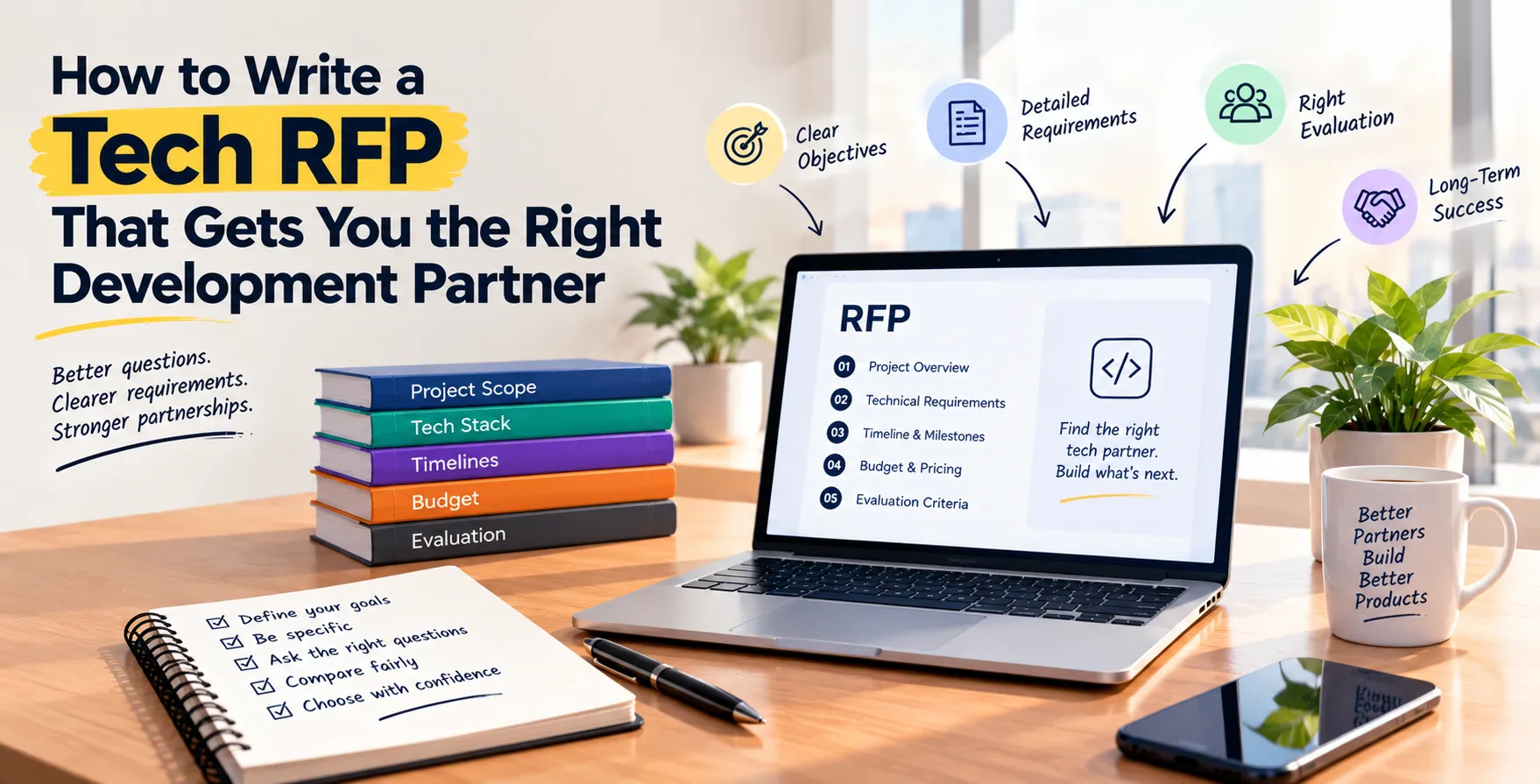
Every professional RFP should follow a standard structure. This makes it easier for potential partners to compare their capabilities against your requirements.
- Project overview and background
- Specific functional requirements
- Technology stack preferences
- Expected project timeline
- Submission guidelines and deadlines
Technical Requirements and Tech Stack
You do not need to be a coding expert to define your technical needs. Instead, focus on the outcomes you want to achieve through your custom software development efforts.
Mention if you have existing systems that require integration. If you have a preferred cloud provider or a specific regulatory environment, list those clearly.
Allow room for suggestions from the vendor. Often, a professional team will propose a more efficient way to build what you need.
Budget and Timeline Expectations
Discussing money early saves everyone time. You don't have to provide a hard cap, but giving a budget range is extremely helpful for planning.
Similarly, provide a realistic timeline. If you have a hard launch date for an event, include that in your requirements.
Be transparent about your flexibility. If you can move the deadline to get a better product, let the vendors know that during the initial phase.
Selection Criteria and Evaluation Process
Establish a scoring system before you even start reviewing proposals. This keeps your evaluation process objective and data-driven.
| Criteria |
Weight |
Focus |
| Technical Expertise |
30% |
Proven track record |
| Cultural Fit |
20% |
Communication style |
| Proposed Strategy |
30% |
Methodology and approach |
| Pricing Transparency |
20% |
Total cost of ownership |
Comparing Engagement Models
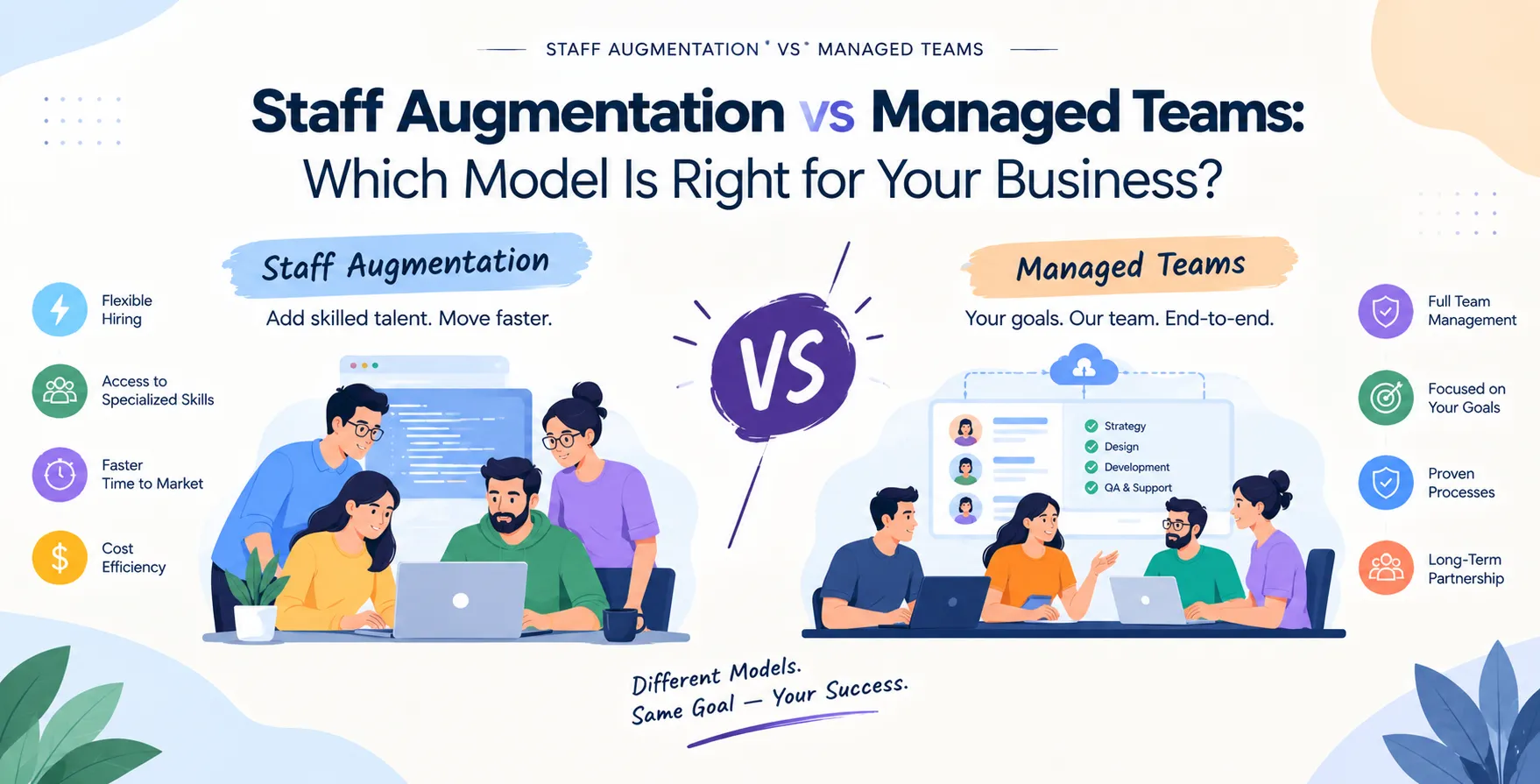
Different projects require different ways of working. You might need a full-service team, or you might just need to fill specific gaps in your existing engineering department.
Understanding the difference between long-term partners and temporary help is vital. When your project is well-defined and requires a specific expertise for a limited time, you might look into I Staff Augmentation.
This allows you to scale your team quickly without the overhead of full-time hiring. However, if your project needs a full lifecycle management approach, you should look for a managed services partner instead.
- Full project outsourcing
- Dedicated team models
- Temporary skill gaps
- Long-term maintenance
- On-demand specialized talent
Handling Staff Augmentation Services
When you decide that Staff Augmentation Services are the right path, your RFP should look different. You aren't asking for a finished product; you are asking for talented individuals to join your workflow.
Focus your RFP on the specific skills and seniority levels you need. Describe your internal development culture so the vendor can match you with the right personalities.
Mention how these new members will be integrated into your existing daily meetings. This is a crucial step in the IT Staff Augmentation Services process.
Managing Communication and Culture Fit
Software development is a human process. You can have the best developers in the world, but if they cannot communicate with your team, the project will fail.
Ask potential partners about their project management tools and communication cadence. Do they use Slack, Jira, or Trello?
Pay attention to how they answer your initial questions. Are they responsive, or do they take days to get back to you?
Common RFP Mistakes to Avoid
Even well-intentioned companies make mistakes that derail the entire procurement process. Avoiding these common traps will put you ahead of your competitors.
- Writing a document that is too long
- Asking for features without context
- Forgetting to mention security requirements
- Ignoring potential scalability issues
- Not asking for client references
The Importance of a Discovery Phase
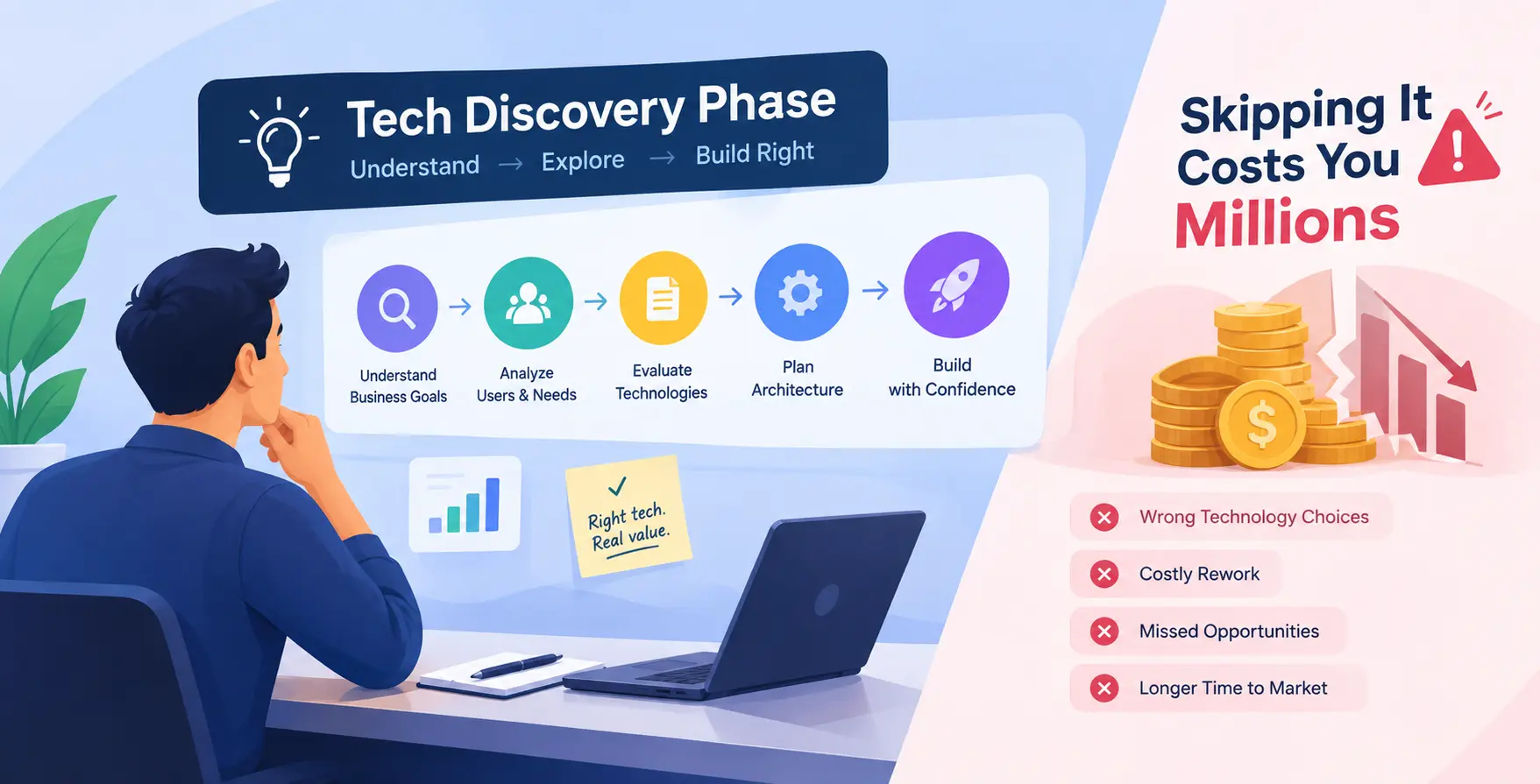
The most successful projects start with a dedicated period of deep analysis. Never assume your initial requirements are perfect or complete.
A professional vendor will often suggest a software development discovery phase to validate your ideas. This saves money by preventing you from building the wrong features early on.
Treat the discovery process as an investment in your project's future. It provides the roadmap that turns a vague concept into a functional product.
Final Thoughts
Writing an RFP is not just about getting a price tag for your project. It is about finding a long-term partner who aligns with your business goals and values.
Take the time to be thorough, clear, and honest about your expectations. By doing so, you will attract the right partners who can help you build something meaningful.
The effort you invest today will pay dividends throughout the entire development lifecycle. Good luck with your search for the perfect team.


 In collaboration with