Table of Contents
- Introduction to Webhooks
- Understanding Webhook Vulnerabilities
- Why Webhook Security Matters
- Core Principles of Webhook Security
- Implementing Webhook Signature Verification
- Using HTTPS for Data in Transit
- Authentication and Authorization Strategies
- Rate Limiting and Throttling
- Validating Incoming Payload Structures
- Handling Replay Attacks
- Monitoring and Observability
- Testing Your Secure Endpoints
- Common Pitfalls to Avoid
- Conclusion
Introduction to Webhooks
Webhooks are a fundamental part of modern software architecture. They allow systems to communicate in real-time by pushing data to a specific URL when an event occurs. Unlike traditional polling, this event-driven approach is highly efficient for data synchronization.
However, exposing a public URL to receive incoming requests introduces significant risk. If you do not implement proper safeguards, your system becomes a target for malicious actors. Understanding webhook security is essential for any developer managing integrations.
Understanding Webhook Vulnerabilities
An unsecured endpoint is essentially an open door to your infrastructure. Attackers can flood your server with fake events or attempt to inject malicious payloads into your database. Without proper validation, your application cannot distinguish between a legitimate update and an attack.
Vulnerabilities often arise when developers assume that a secret URL is enough protection. Relying on obscurity is never a valid security strategy in the modern web. You must assume that your endpoint URL will eventually be discovered by unauthorized parties.
- Denial of service attacks
- Data injection and tampering
- Unauthorized event processing
- Payload spoofing
Why Webhook Security Matters
The impact of a compromised integration can be severe. An attacker might trigger unintended actions in your system, such as changing user permissions or clearing records. This can lead to massive data loss or unauthorized access to sensitive information.
Furthermore, maintaining trust with your users requires keeping their data secure. A breach caused by poor webhook management reflects poorly on your platform. Proactive security ensures your systems remain resilient against evolving threats.
Core Principles of Webhook Security
Building a secure webhook endpoint requires a multi-layered approach to defense. You should treat incoming data as untrusted until proven otherwise. Never execute code based on raw, unvalidated payload content.
The most effective strategy involves combining cryptographic verification with standard authentication practices. By validating both the origin and the integrity of the data, you significantly reduce the surface area for attacks. Always follow the principle of least privilege when processing these events.
Implementing Webhook Signature Verification
The most reliable way to authenticate an incoming request is through webhook signature verification. Providers include a hash of the payload in the request headers, usually signed with a shared secret. You must recalculate this hash on your end and compare it to the header value.
Signature Verification Steps
Follow these steps to correctly validate incoming requests:
- Retrieve the raw request body from the server.
- Extract the signature header from the request metadata.
- Compute a HMAC using your shared secret and the body.
- Compare the computed hash with the provided header value.
- Reject the request if the signatures do not match.
If the comparison fails, you must drop the request immediately. This prevents attackers from masquerading as a trusted service provider.
Using HTTPS for Data in Transit
Encryption is non-negotiable when dealing with network communications. Always ensure your endpoint is accessible only via HTTPS to prevent man-in-the-middle attacks. This protects the data payload and the signature headers from being intercepted or modified during transit.
Avoid disabling SSL certificate verification in your development environment if you can help it. If you must test locally, use tools that provide secure tunneling. Always maintain valid, up-to-date certificates for your production environment.
Authentication and Authorization Strategies
In addition to signatures, consider adding standard authentication layers to your endpoints. While webhooks are inherently push-based, you can implement API key-based authentication if the provider supports it. This acts as an additional gatekeeper before you even process the body.
Choose an authentication method that suits your specific integration requirements. Many modern services now offer OAuth-based token flows for webhooks as well. This allows for more granular access control compared to static secrets.
- Bearer token authentication
- Mutual TLS for high security
- IP whitelisting for restricted access
- API key rotation policies
Rate Limiting and Throttling
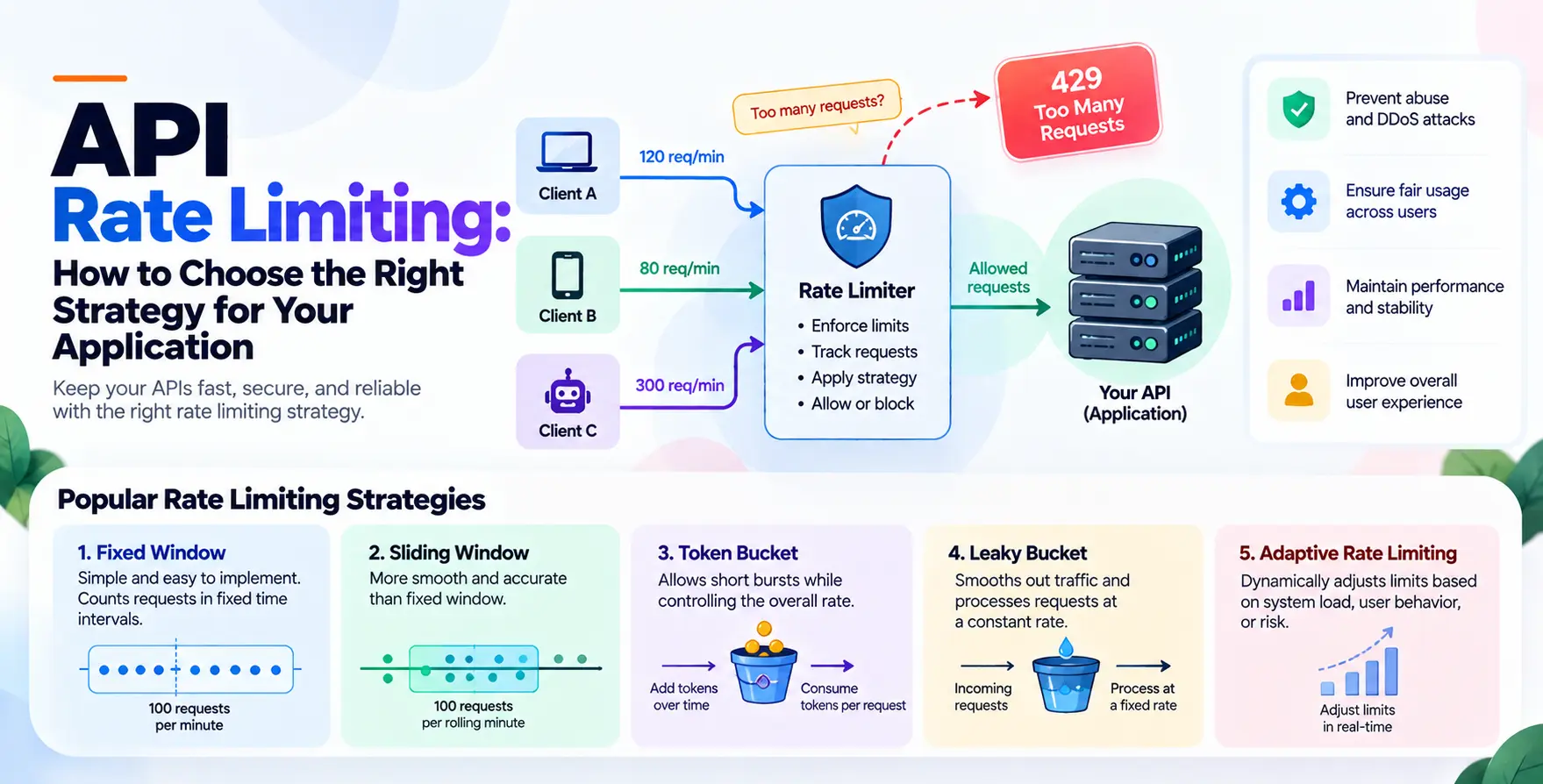
Attackers often try to overwhelm your systems by sending thousands of requests in a short time. Effective webhook security best practices for secure endpoints include implementing strict rate limits. This prevents your server from crashing under heavy traffic spikes, whether malicious or accidental.
You should also implement a queue-based architecture to handle incoming webhooks asynchronously. By acknowledging the receipt immediately and processing the logic in the background, you keep your endpoint responsive. This decouples your server capacity from the provider's push rate.
Validating Incoming Payload Structures
Even if the signature is valid, the data itself might be malformed. Always validate the structure of your incoming JSON against a strict schema. This prevents unexpected data types from crashing your application logic or database queries.
Use robust parsing libraries that handle edge cases gracefully. If the payload does not match the expected format, return an error response immediately. Keeping your data validation logic separate from your business logic is a good practice.
Handling Replay Attacks
An attacker might intercept a valid request and resend it multiple times to trigger duplicate actions. To prevent this, you should include a unique request ID or a timestamp in the webhook headers. Your system should track these IDs and discard any requests that have already been processed.
This is particularly critical for financial transactions or state-changing operations. A simple database lookup can verify if a specific event ID has already been handled. If it exists, ignore the duplicate and return a success code to the sender.
Monitoring and Observability
You cannot secure what you do not monitor. Implement comprehensive logging for all incoming webhook attempts, including success and failure states. Use specialized tools for production AI monitoring if your integration involves intelligent decision-making logic.
Set up alerts for unusual spikes in error rates or repeated signature failures. This gives you early warning signs of an ongoing attack. A well-monitored endpoint is much easier to defend and maintain over time.
Testing Your Secure Endpoints
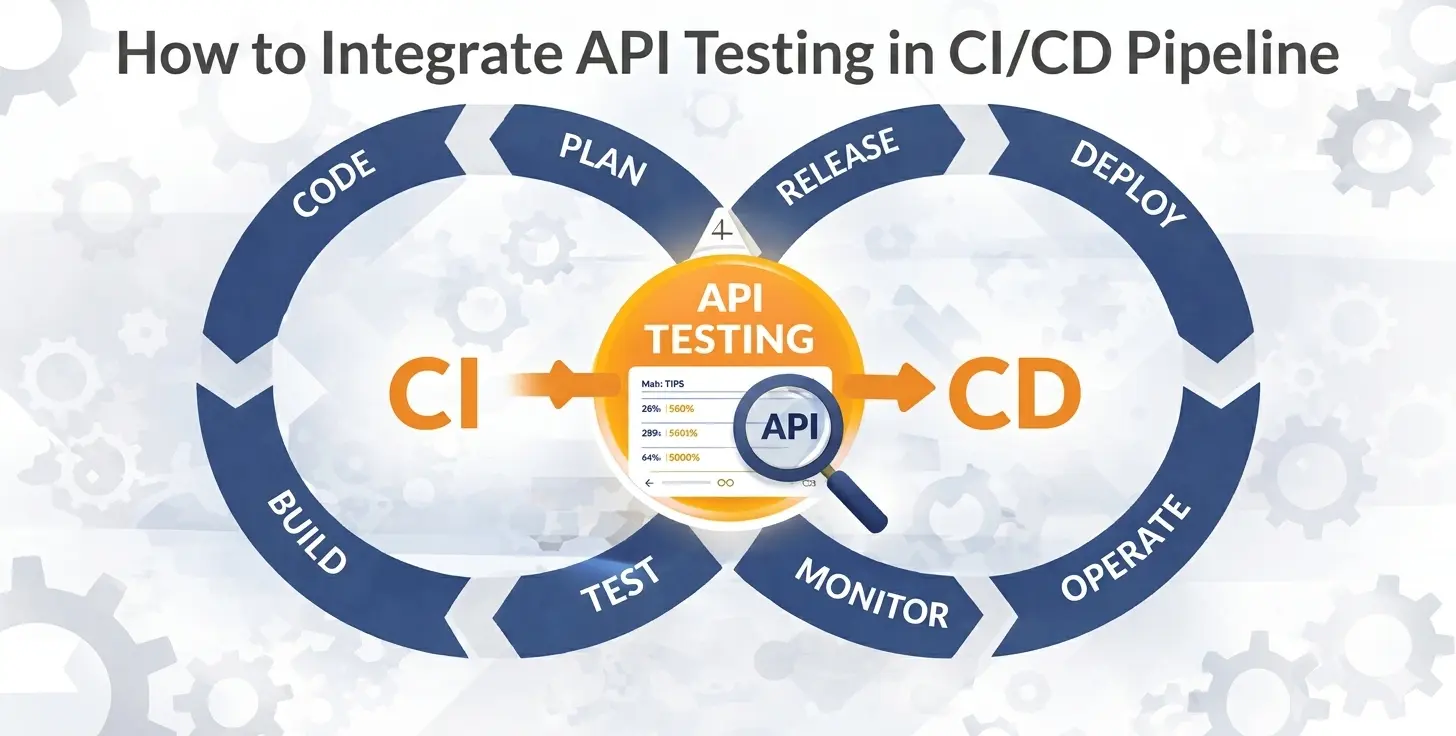
Security is not a one-time setup process. Use automated tools to simulate malicious payloads and verify that your validation logic holds up. Integrating these checks into your CI/CD pipeline ensures that security regressions are caught early during development.
Testing Methodologies
Adopt these testing strategies for your endpoints:
- Fuzz testing with random payloads
- Replay attack simulation tests
- Signature verification stress tests
- Invalid secret key scenarios
Regularly auditing your security posture prevents vulnerabilities from creeping into your system. Treat your webhook infrastructure with the same rigor as your main API.
Common Pitfalls to Avoid
Many developers make the mistake of trusting third-party sources implicitly. Never skip signature validation just because the traffic seems to originate from a known provider. You should also avoid logging sensitive information, such as full request payloads, in your production logs.
Another common issue is improper management of shared secrets. Always store these in a secure vault or environment variable. Never hardcode them in your source code repository or share them over insecure channels.
Conclusion
Securing your webhook endpoints is a critical responsibility for any software developer. By implementing signature verification, enforcing HTTPS, and monitoring for unusual activity, you create a robust defense against common attack vectors. These practices ensure that your integrations remain reliable and secure as your system scales.
Take the time to review your current implementation and tighten any loose ends. Consistent vigilance and automated testing are the best ways to protect your infrastructure. Start applying these security layers today to keep your platform safe.


 In collaboration with