Table of Contents
- Introduction
- Understanding PIPEDA
- Core Principles of PIPEDA
- Data Collection Requirements
- Consent Management for SaaS
- Security Best Practices
- Right of Access and Correction
- Breach Notification Procedures
- Data Retention and Disposal
- Third-Party Vendor Management
- Compliance Checklist for Developers
- Challenges in Multi-Tenant Environments
- Final Thoughts
Introduction
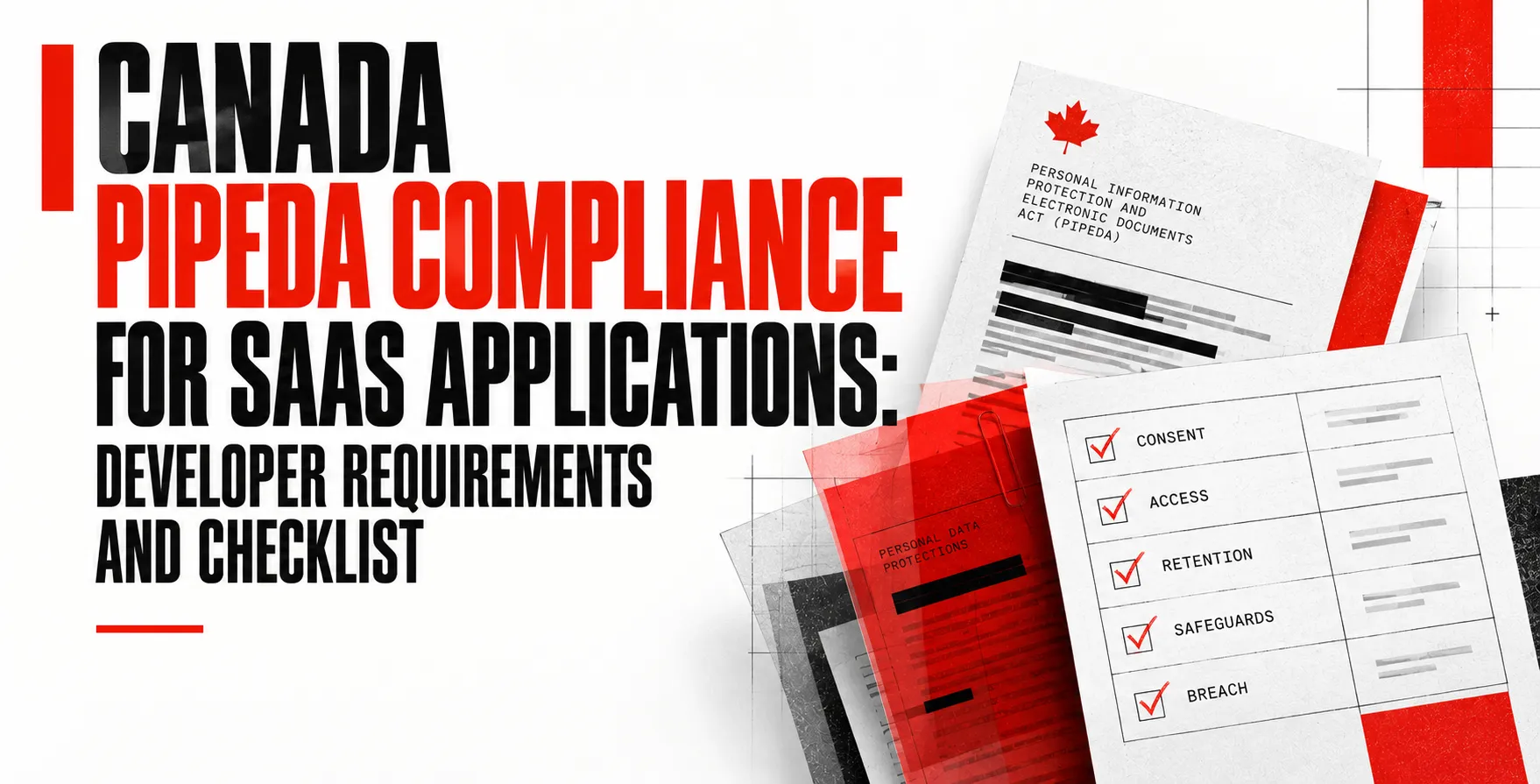
Building a successful platform requires more than just clean code and scalable infrastructure. If your customers include Canadians, you must navigate the complex landscape of Canada PIPEDA compliance for SaaS applications. This framework governs how private-sector organizations collect, use, and disclose personal information in the course of commercial business.
Ignoring these requirements poses significant risks, including legal penalties and loss of user trust. For engineering teams, compliance is not just a checkbox; it is a fundamental architectural requirement. You must integrate privacy controls directly into your development lifecycle to remain compliant.
Understanding PIPEDA
The Personal Information Protection and Electronic Documents Act is the federal law regulating data privacy in Canada. It applies to organizations that collect personal information during commercial activities.
For any SaaS provider, PIPEDA for SaaS means treating user data with specific safeguards. Whether you are building an enterprise tool or a consumer app, the law follows you across provincial borders.
Understanding these rules is the first step toward building a privacy-first product. Your development strategy should reflect these obligations from day one.
- Applicable to private sector commercial activity
- Covers collection, use, and disclosure
- Focuses on personal information protection
- Requires accountability for data management
Core Principles of PIPEDA
The act is built upon ten fair information principles that guide how businesses should handle data. These principles serve as the foundation for your privacy architecture.
When designing your software, you must ensure that your features align with these legal standards. They are not optional; they are the baseline for Canadian SaaS privacy requirements across the industry.
- Accountability for data handling
- Identifying purposes before collection
- Obtaining valid user consent
- Limiting collection to what is necessary
- Ensuring data accuracy
- Providing safeguards against breaches
Data Collection Requirements
Your application must only collect information that is strictly necessary for its stated purpose. This is known as the principle of limiting collection.
Developers often fall into the trap of over-collecting data for future analytics. You should audit your database schemas regularly to remove unnecessary fields. If a data point does not serve a core feature, do not store it.
- Define clear purposes for every data field
- Minimize data intake in signup forms
- Avoid collecting sensitive information without justification
- Audit existing databases for excess information
Consent Management for SaaS
Meaningful consent is a cornerstone of PIPEDA compliance. Users must understand exactly what they are agreeing to when they sign up for your service.
In a SaaS context, this usually means implementing clear check-boxes and privacy toggles. You must ensure that consent is not bundled with general terms of service in a misleading way.
The process of obtaining consent should be transparent and easily reversible. Users must feel in control of their data at every touchpoint.
- Explicit opt-in mechanisms
- Clear explanations of data usage
- Easy access to privacy settings
- Regular reminders for consent renewal
Security Best Practices
Protecting user information is a legal duty, not just a technical preference. You must implement robust security measures to prevent unauthorized access, loss, or theft of personal data.
This involves encrypting data both at rest and in transit. You should also ensure that your database access controls follow the principle of least privilege. Many teams find that adopting a structured security framework helps them stay organized as they scale.
| Security Layer |
Standard Practice |
PIPEDA Requirement |
| Encryption |
TLS 1.3 in transit |
Mandatory protection |
| Access |
Role-based access |
Strict control |
| Logging |
Automated audit trails |
Accountability |
| Updates |
Patch management |
Vulnerability mitigation |
Right of Access and Correction
Users have the right to request access to their personal information. They also have the right to challenge the accuracy of that data.
Your application needs an interface that allows users to view their profile data. Additionally, you should provide a simple way for them to correct errors or request updates to their information.
- Self-service data export features
- Profile editing modules
- Support ticketing for data disputes
- Automated correction workflows
Breach Notification Procedures
In the event of a security incident, you have a legal obligation to report data breaches that pose a real risk of significant harm. Your incident response plan must include clear steps for identifying and reporting these breaches to the relevant authorities.
You should also notify affected users promptly if their information has been compromised. Transparency during an incident is critical for maintaining compliance and public trust.
- Defined incident response team
- Data breach detection mechanisms
- Automated notification templates
- Records of all security incidents
Data Retention and Disposal
You cannot keep personal information indefinitely. Once the original purpose for collection is fulfilled, the data must be securely destroyed or anonymized.
Implement automated scripts to handle data cleanup. These scripts should be tested regularly to ensure they do not delete active records by accident. Proper lifecycle management reduces your overall risk profile.
- Defined data retention policies
- Automated deletion scripts
- Secure disposal verification
- Anonymization of legacy datasets
Third-Party Vendor Management
When you use third-party APIs or cloud services, you remain responsible for the data shared with them. You must perform due diligence on all vendors to ensure they also follow privacy standards.
This includes reviewing their service agreements and privacy practices. If a sub-processor fails to secure user data, the liability often lands on your organization.
- Vendor privacy assessment
- Contractual data protection clauses
- Regular security audits of partners
- Monitoring sub-processor compliance
Compliance Checklist for Developers
Achieving compliance requires a disciplined approach to your development workflow. Use this list to track your progress throughout the project lifecycle.
Start by auditing your current data flow. Then, implement the necessary technical controls to close any identified gaps in your existing system.
- Map all personal data flows
- Implement encryption for all PII
- Create user-facing privacy dashboards
- Establish automated data deletion cycles
- Document all data processing purposes
- Perform regular security audits
Challenges in Multi-Tenant Environments
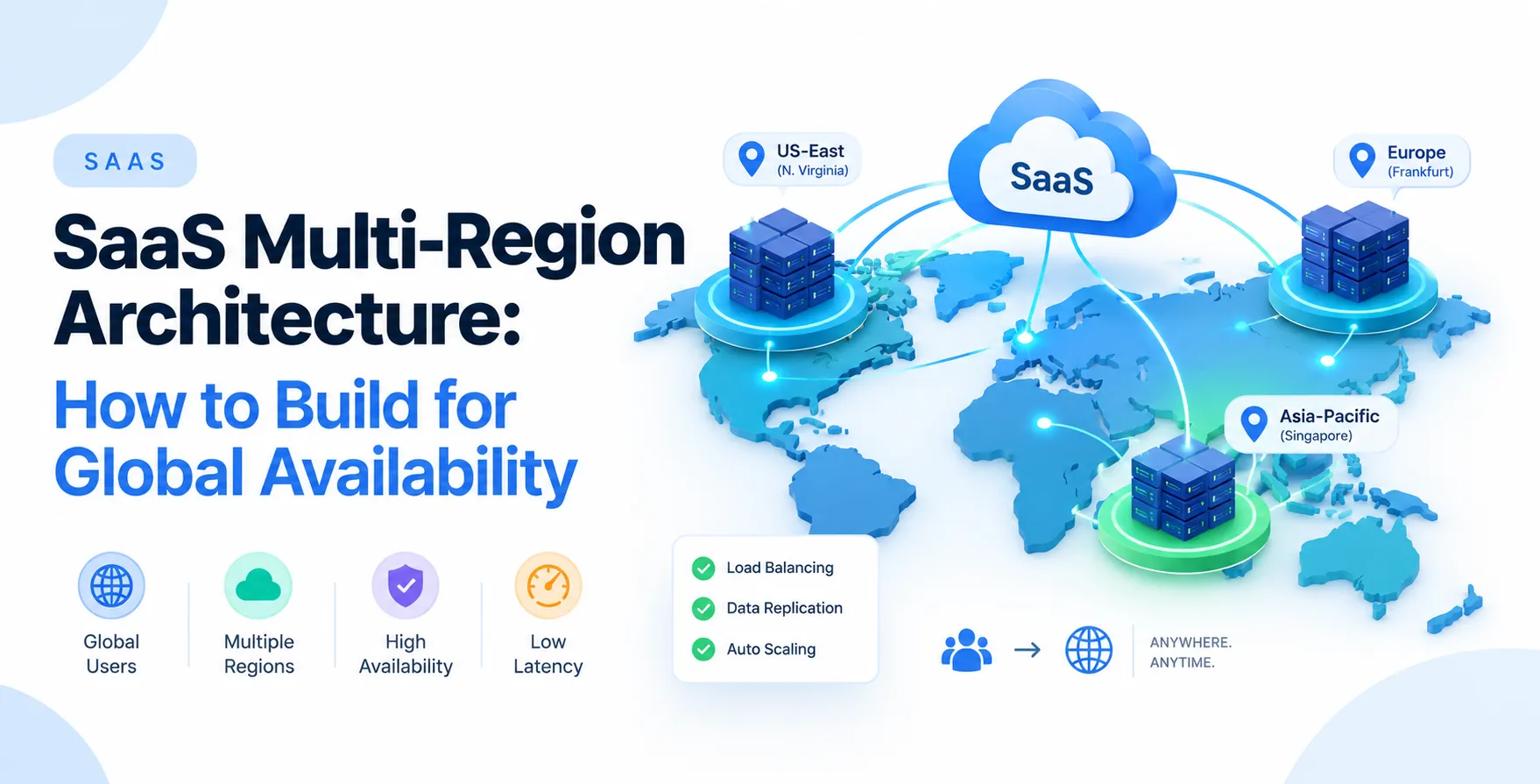
Managing privacy in a multi-tenant SaaS architecture adds layers of complexity. You must ensure that one client cannot access the data of another, which requires strict logical separation at the application layer.
Database-level isolation or row-level security is often necessary. Always test your multi-tenancy implementation to ensure there are no cross-tenant leaks. Compliance depends entirely on keeping these boundaries secure.
Final Thoughts
Navigating PIPEDA compliance for SaaS applications is an ongoing process rather than a one-time project. As your product grows, your privacy practices must evolve to match the increasing volume of data you process.
By embedding these requirements into your development culture, you turn compliance into a competitive advantage. Prioritize transparency and security to build a sustainable platform that users can trust.


 In collaboration with