Table of Contents
- Introduction
- Understanding SaaS Billing Options
- The Case for Monthly Billing
- The Case for Annual Billing
- How Billing Cycles Impact Cash Flow
- Customer Retention and Billing
- Strategic Discounts and Incentives
- Implementing Hybrid Models
- Balancing Revenue and Growth
- Common Billing Mistakes
- The Role of Customer Feedback
- Tools for Managing Subscriptions
- Conclusion
Introduction
Selecting the right payment cycle is a fundamental decision in any SaaS pricing strategy. Founders often wrestle with whether to prioritize immediate cash flow or long-term customer commitment.
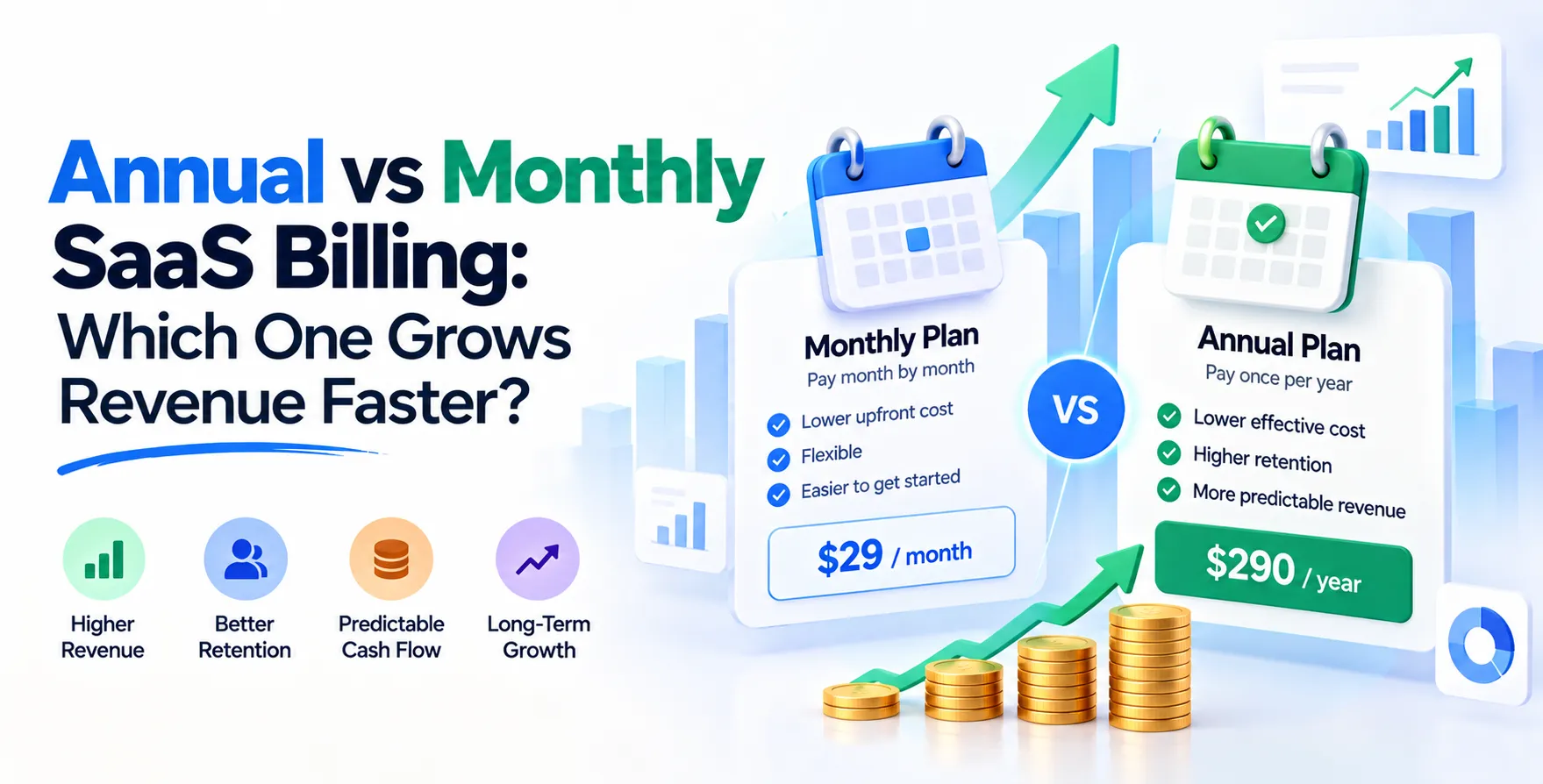
Understanding the nuances of SaaS annual billing vs monthly is vital for long-term scalability. This choice affects everything from your burn rate to your churn statistics.
Understanding SaaS Billing Options
Your choice of billing cycle dictates how your business receives capital. Most companies eventually offer a mix of both to cater to different segments of their user base.
Monthly plans provide accessibility for users who are risk-averse or testing the platform. Annual plans reward commitment with a discounted rate.
- Lower barrier to entry
- Predictable recurring revenue
- Higher churn sensitivity
- Increased administrative overhead
The Case for Monthly Billing
Monthly billing is often the default for early-stage startups. It reduces the friction of signing up for a new service, allowing customers to try your product with minimal commitment.
Lowering the price barrier is essential when you are still in the process of product validation. It allows you to gather user feedback without requiring a significant upfront investment from the customer.
However, monthly subscribers are statistically more likely to churn. Since the commitment is low, the incentive to stay is also lower.
The Case for Annual Billing
Annual billing is the gold standard for stabilizing your SaaS business. It provides a massive influx of cash upfront, which can be reinvested into product development or marketing efforts.
This model is particularly effective for B2B platforms where the solution is mission-critical. When a customer commits for a year, their engagement with the software tends to be much deeper.
- Improved cash flow
- Reduced churn rates
- Higher customer lifetime value
- Better long-term planning
- Stronger product commitment
How Billing Cycles Impact Cash Flow
Cash flow is the lifeblood of any startup, especially during the growth phase. When you rely solely on monthly billing, you are constantly fighting to maintain your revenue levels against monthly churn.
Annual payments allow you to collect 12 months of revenue in a single transaction. This provides a safety net that helps you weather quiet months or unexpected market shifts.
Strategic Cash Management
Managing upfront revenue requires discipline. You must account for the service liability over the remaining months.
- Accelerates reinvestment
- Reduces reliance on external funding
- Smooths out revenue volatility
Without careful financial planning, you might spend your annual revenue too quickly. Ensure you allocate funds for ongoing support and infrastructure costs throughout the subscription year.
Customer Retention and Billing
Retention is a major differentiator in the debate between different SaaS pricing models. Customers on annual plans have a longer window to find value in your tool.
By the time their renewal comes around, they are likely fully embedded into your ecosystem. This makes them much more resistant to competitor poaching than monthly users.
Strategic Discounts and Incentives
Offering a discount for annual plans is a standard industry practice. Typically, companies offer two months free, which is roughly a 15% to 20% discount compared to the monthly rate.
This incentive creates a clear value proposition for the buyer. It frames the annual choice as a cost-saving measure rather than a burden.
| Billing Cycle |
Retention Risk |
Cash Flow Impact |
| Monthly |
High |
Lower |
| Annual |
Low |
High |
| Hybrid |
Moderate |
Balanced |
Implementing Hybrid Models
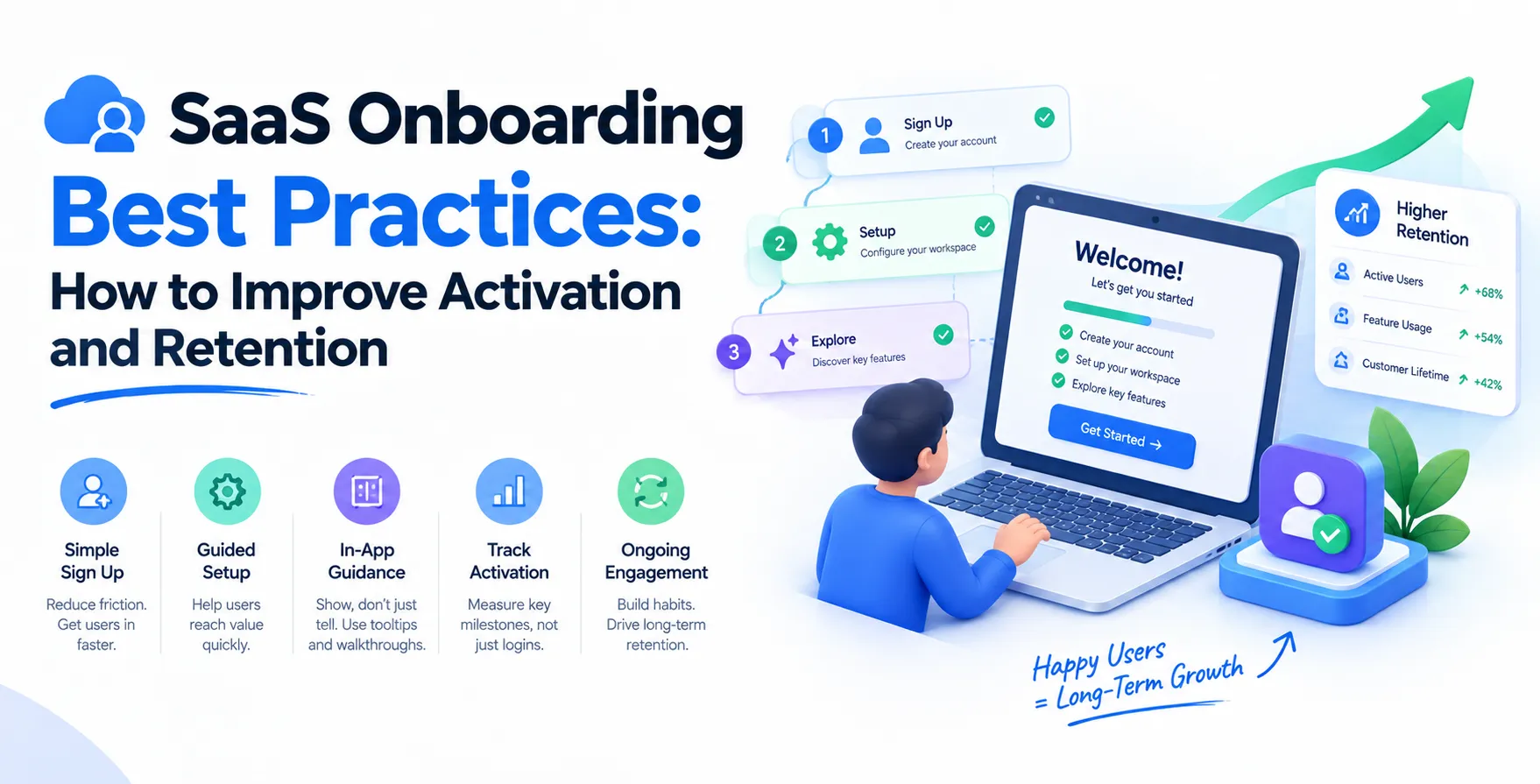
Most successful companies adopt a hybrid approach. They offer a monthly plan as the entry point and push annual plans as the preferred option during the onboarding experience.
This allows you to capture the widest possible audience. You essentially let the customer decide their level of risk and commitment.
Balancing Revenue and Growth
Growth is not just about acquiring users. It is about acquiring the right type of users who will stay with you for the long term.
Focusing too much on monthly billing can lead to a "leaky bucket" scenario. You spend all your time acquiring new users just to replace those who left.
Common Billing Mistakes
Founders often make the mistake of locking themselves into a single billing option too early. Flexibility is a virtue in the early stages of business.
- Ignoring seasonal revenue patterns
- Pricing annual plans too aggressively
- Over-complicating payment tiers
- Failing to communicate renewal dates
Another common error is failing to remind customers about their upcoming renewal. Transparency builds trust, even when it comes to billing cycles.
The Role of Customer Feedback
The best way to determine your optimal billing strategy is to listen to your users. Through consistent interaction, you can determine if your price point is a barrier for your target demographic.
If you find that your churn is high, consider whether your monthly billing options are attracting low-intent users. Adjusting your pricing or onboarding can often solve these retention issues.
Tools for Managing Subscriptions
Modern billing platforms make it easy to manage both monthly and annual cycles. They handle prorations, upgrades, and renewals automatically.
Investing in robust infrastructure early on saves hundreds of hours of manual work. It also ensures that your financial reporting is accurate and audit-ready.
Conclusion
Deciding between monthly and annual billing is not a zero-sum game. The most successful SaaS companies leverage both to maximize revenue and minimize churn.
Start by offering monthly options to lower the barrier to entry, then aggressively incentivize annual plans to secure long-term capital. Always monitor your churn data and adjust your pricing strategy as your product matures and your user base grows.


 In collaboration with