Table of Contents
- Introduction to Multi-Tenant SaaS
- The Core Challenge of Data Isolation
- Database-per-Tenant Pattern
- Shared Database, Separate Schemas
- Shared Database, Shared Schema
- Hybrid Approaches for Scalability
- Security and Compliance Considerations
- Performance Optimization Strategies
- Handling Tenant Onboarding and Provisioning
- Database Migration Strategies
- Monitoring and Observability
- Operational Best Practices
- Common Pitfalls to Avoid
- Conclusion
Introduction to Multi-Tenant SaaS
Building a successful software platform requires a robust foundation that can scale as your user base grows. Central to this is the multi-tenant SaaS architecture, which allows a single instance of your software to serve multiple customers, known as tenants.
Designing an effective database layer is arguably the most critical technical decision you will face. Your choice directly dictates your development velocity, operational overhead, and long-term infrastructure costs.
The Core Challenge of Data Isolation
Data isolation ensures that one tenant cannot access or corrupt the data of another. This is the primary concern when designing any multi-tenant SaaS architecture database design, as security leaks are non-negotiable for enterprise clients.
You must balance this security requirement against the realities of resource management and developer productivity. Strict isolation often simplifies compliance audits but can make cross-tenant analytics significantly more complex to implement.
- Logical separation via identifiers
- Physical separation via database instances
- Encryption at rest for individual tenants
- Strict access control policies
Database-per-Tenant Pattern
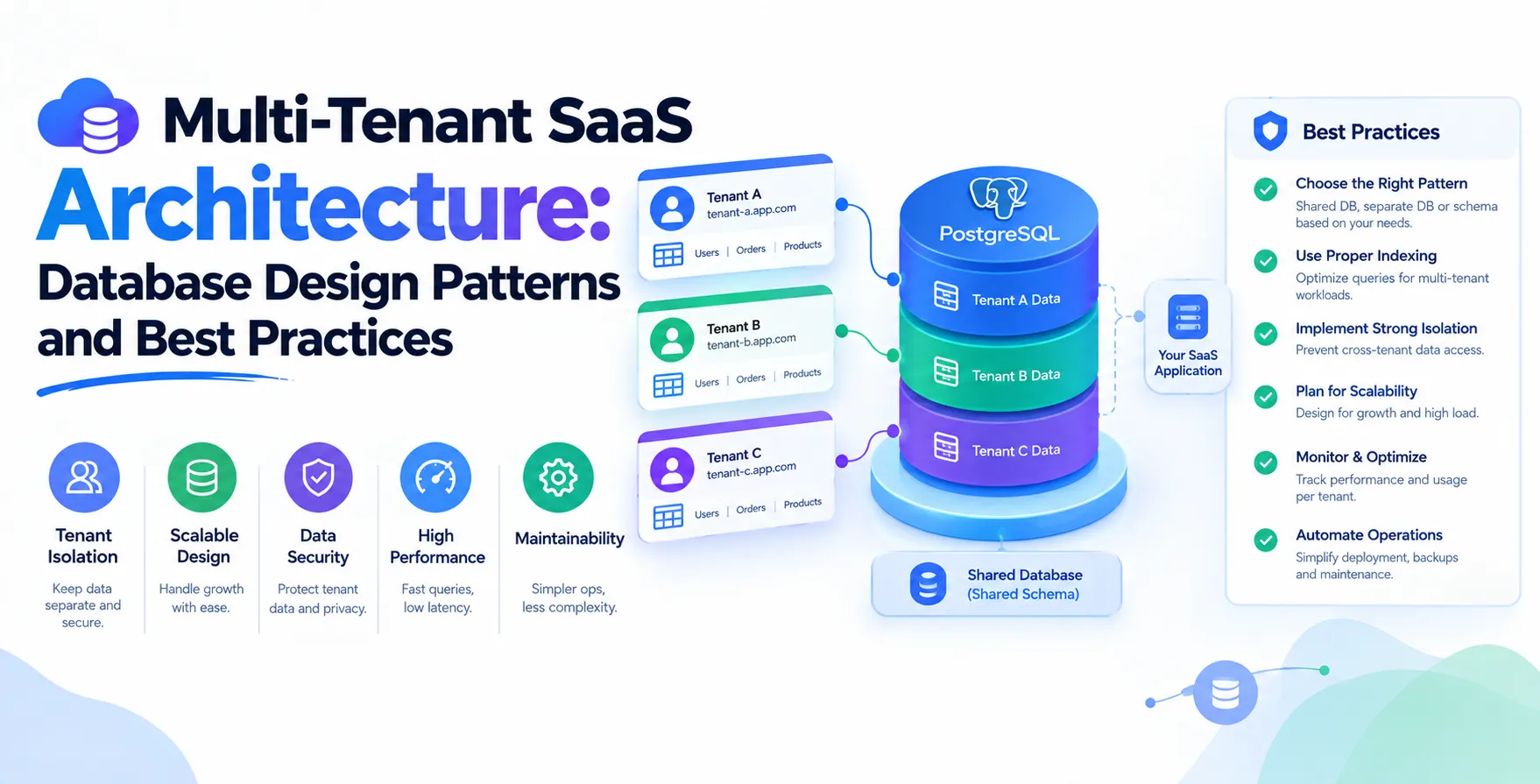
The database-per-tenant pattern provides the highest level of data isolation. Each customer has their own dedicated database instance, completely separate from others in the environment.
This approach simplifies data backups and restores, as you can perform these operations for a single client without affecting anyone else. It also prevents "noisy neighbor" issues where one tenant's heavy activity slows down the entire system.
- Stronger security boundaries
- Simplified tenant-level backups
- Easy custom schema migrations
- Higher infrastructure resource costs
- Increased management complexity
- Limited resource sharing potential
Shared Database, Separate Schemas
A middle-ground solution involves using a single database instance but creating a separate schema for each tenant. This is a common choice for many SaaS multi tenancy database implementations, providing a balance between management ease and isolation.
You maintain a single set of database credentials and management tools. However, individual tenants remain logically separated at the schema level, which reduces the chance of accidental cross-tenant queries.
- Easier management of shared assets
- Improved resource utilization efficiency
- Logical isolation for data security
- Scalability limits per instance
Shared Database, Shared Schema
In this pattern, all tenants store their data in the same tables, distinguished by a tenant identifier column. This is the most cost-effective and scalable approach, but it places the burden of security squarely on the application code.
Developers must be extremely diligent to include the tenant ID in every single query. A single missing "where" clause can result in a catastrophic data leak across your entire customer base.
- Lowest infrastructure footprint
- Simplified cross-tenant reporting
- High development complexity
- Risk of accidental data exposure
- Performance bottlenecks at scale
Hybrid Approaches for Scalability
Many mature platforms adopt hybrid strategies to meet the needs of different customer tiers. You might use shared databases for smaller "lite" accounts while providing dedicated instances for your enterprise-level clients.
This tiered strategy allows you to optimize your infrastructure costs effectively. It keeps your margins healthy for low-revenue customers while meeting the stringent compliance requirements of your largest partners.
| Strategy |
Isolation Level |
Cost Efficiency |
| Database-per-Tenant |
Very High |
Low |
| Schema-per-Tenant |
Moderate |
Medium |
| Shared-Schema |
Low |
| Hybrid Model |
Flexible |
Optimized |
Security and Compliance Considerations
Compliance often mandates how you handle data residency and encryption. Regulations like GDPR or HIPAA may require specific handling of physical data storage locations for certain tenants.
If you choose a shared-schema model, you must implement row-level security or application-layer filters. These mechanisms ensure that the application layer is always context-aware of the current tenant's identity.
- Encryption keys per tenant
- Data residency compliance
- Regular penetration testing
- Audit logging for access
Performance Optimization Strategies
Performance degradation is a common risk when scaling a multi tenant database design. Without proper indexing on your tenant ID columns, your queries will quickly become sluggish as your dataset grows.
Utilize database partitioning to manage large tables efficiently. By splitting data based on tenant IDs, you can keep index sizes manageable and ensure that query execution plans remain performant.
Handling Tenant Onboarding and Provisioning
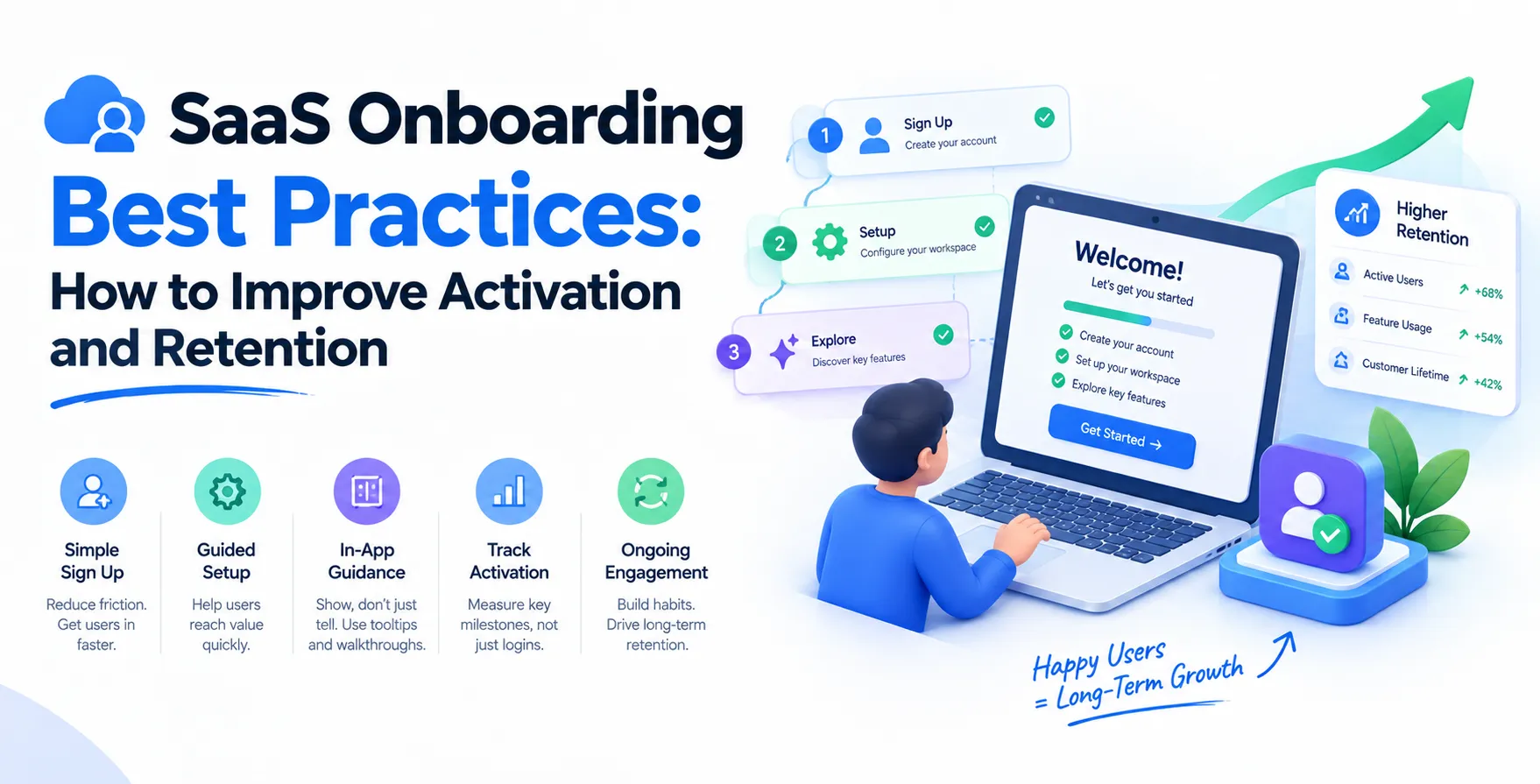
Automating your provisioning process is essential for scaling a SaaS product. When a new user signs up, your system should automatically handle database creation, schema initialization, and user permissions.
This automation should be part of a robust CI/CD pipeline. Manual intervention for tenant setup will inevitably lead to configuration drift and operational errors.
- Automated database schema deployment
- Infrastructure as code scripts
- Tenant metadata registration
- Resource quota allocation
Database Migration Strategies
Managing migrations across thousands of tenants is a significant engineering challenge. You need a system that can execute schema updates reliably without causing downtime for your users.
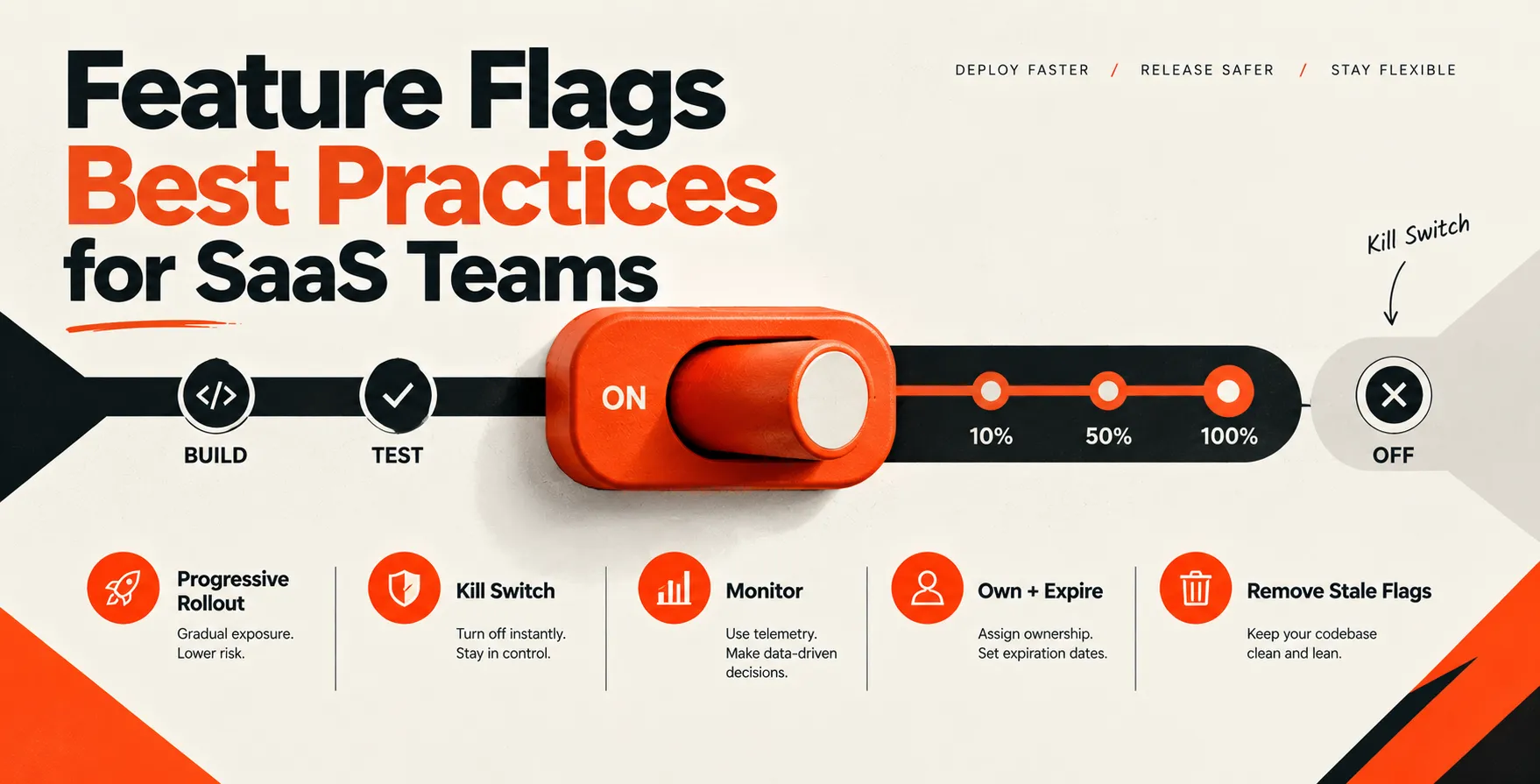
Rolling updates are preferred for shared-schema environments. For dedicated instances, consider a canary deployment approach to test migrations on a small subset of tenants first.
- Versioned migration scripts
- Automated rollback capabilities
- Blue-green deployment patterns
- Blue-green database instances
Monitoring and Observability
You cannot effectively manage a complex multi-tenant environment without deep visibility. You need to monitor resource consumption on a per-tenant basis to identify "noisy neighbors" before they impact your service level agreements.
Implement comprehensive logging that includes tenant IDs in every trace. This makes it significantly easier to diagnose issues that are specific to a single customer versus systemic platform problems.
Operational Best Practices
Adopt a mindset of automation and self-service. Your infrastructure should handle auto-scaling and maintenance tasks without requiring manual human intervention.
Regularly prune inactive tenant data to keep your databases lean. Clean data leads to faster backups, quicker indexing, and lower overall storage costs for your organization.
Common Pitfalls to Avoid
Avoiding common mistakes in the early stages of development can save you hundreds of hours later. Do not underestimate the difficulty of refactoring your data model after you have already onboarded hundreds of active customers.
Avoid "hard-coding" database connections for individual tenants in your application logic. Always use a centralized service or configuration store to handle connection strings and routing.
- Forgetting tenant ID filters
- Manual provisioning workflows
- Overlooking schema drift
- Ignoring noisy neighbor impact
- Inadequate indexing strategies
Conclusion
The architecture of your database is the backbone of your entire SaaS product. Whether you choose a shared-schema model for cost efficiency or a database-per-tenant model for isolation, your design must be intentional and well-documented.
Focus on automation, security, and observability from day one. By choosing the right patterns early, you set your product up for sustainable growth and long-term success in a competitive market.


 In collaboration with