Table of Contents
- Introduction to APIs
- What is an API?
- Benefits of API Integration
- Business API Integration
- API Development Services
- Why Every Business Needs an API
- Common API Integration Challenges
- Best Practices for API Development
- Real-Life Examples of Successful API Integration
- Future of API Development
- Conclusion
- Final Thoughts on API Adoption
- API Integration Checklist
Introduction to APIs
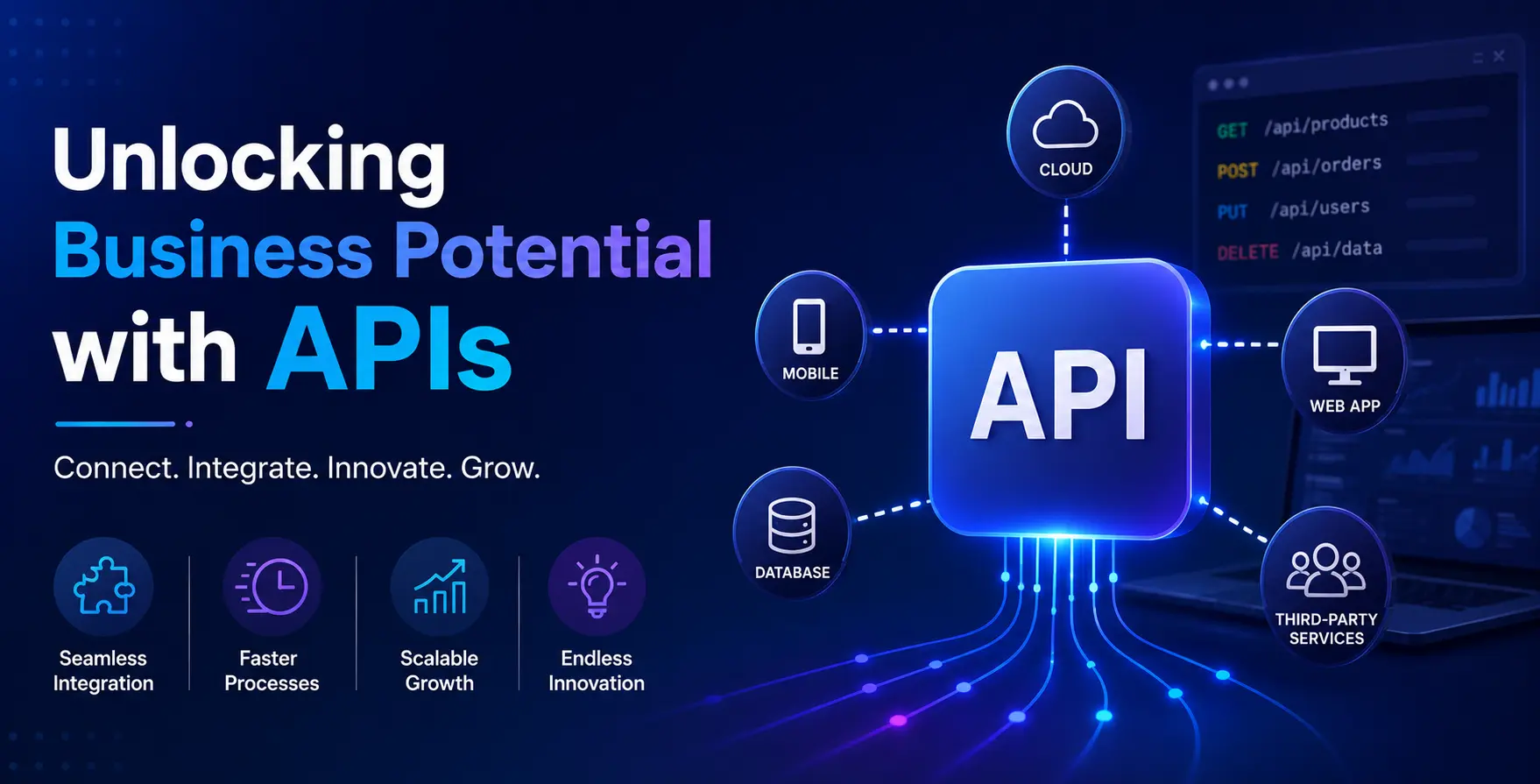
APIs are the backbone of modern software development. They enable different systems to communicate with each other seamlessly.
This integration is crucial for businesses to stay competitive and provide better services to their customers.
With the increasing demand for digital transformation, APIs have become an essential tool for companies to innovate and grow.
What is an API?
An API, or Application Programming Interface, is a set of defined rules that enable different applications to communicate with each other.
It allows systems to exchange data and functionality, making it possible to build complex and integrated software systems.
The main goal of an API is to provide a simple and secure way for different systems to interact with each other.
- Enable system integration
- Provide data exchange
- Offer functionality to other applications
Benefits of API Integration
API integration offers numerous benefits to businesses, including increased efficiency, improved customer experience, and enhanced innovation.
By integrating different systems and applications, companies can automate processes, reduce manual errors, and provide better services to their customers.
API integration also enables businesses to stay competitive by providing a platform for innovation and growth.
- Increase efficiency
- Improve customer experience
- Enhance innovation
- Automate processes
Business API Integration
Business API integration is the process of connecting different business systems and applications using APIs.
This integration enables companies to streamline their operations, improve communication, and provide better services to their customers.
Business API integration also provides a platform for companies to innovate and grow by enabling the development of new applications and services.
- Streamline operations
- Improve communication
- Enhance customer experience
- Provide a platform for innovation
- Enable business growth
API Development Services
API development services provide companies with the expertise and resources needed to design, develop, and implement APIs.
These services enable businesses to integrate different systems and applications, providing a platform for innovation and growth.
API development services also provide companies with the support and maintenance needed to ensure the security and reliability of their APIs.
- Design and development
- Implementation and integration
- Support and maintenance
- Security and reliability
Why Every Business Needs an API
In today's digital age, every business needs an API to stay competitive and provide better services to their customers.
APIs enable companies to integrate different systems and applications, providing a platform for innovation and growth.
Without an API, businesses may struggle to keep up with the changing demands of their customers and the market.
Common API Integration Challenges
API integration can be challenging, especially for companies that lack the expertise and resources needed to design and develop APIs.
Common challenges include security and reliability issues, data formatting and compatibility problems, and integration with legacy systems.
Companies must address these challenges to ensure the successful integration of their APIs.
- Security and reliability issues
- Data formatting and compatibility problems
- Integration with legacy systems
- Lack of expertise and resources
Best Practices for API Development
Best practices for API development include designing APIs that are secure, reliable, and easy to use.
Companies should also provide clear documentation and support to ensure the successful integration of their APIs.
Additionally, APIs should be designed to be scalable and flexible, enabling companies to adapt to changing demands and technologies.
- Design secure and reliable APIs
- Provide clear documentation and support
- Design scalable and flexible APIs
- Ensure compatibility with different systems and applications
- Continuously test and improve APIs
Real-Life Examples of Successful API Integration
Many companies have successfully integrated APIs to improve their operations and provide better services to their customers.
For example, companies like Amazon and Uber have used APIs to integrate different systems and applications, providing a seamless and personalized experience for their customers.
These examples demonstrate the potential of APIs to transform businesses and enable innovation and growth.
Conclusion
In conclusion, APIs are a crucial component of modern software development, enabling different systems to communicate with each other seamlessly.
Businesses can benefit from API integration by streamlining their operations, improving communication, and providing better services to their customers.
By understanding what is an API and why every business needs one, companies can stay competitive and thrive in today's digital age.


 In collaboration with