Table of Contents
- Understanding the New Legislation
- The Scope of the UK Cyber Security and Resilience Bill
- Key Objectives for Digital Service Providers
- Strengthening Supply Chain Resilience
- Reporting Requirements and Transparency
- Impact on SaaS Architecture
- Aligning with Existing Frameworks
- Managing Third-Party Vendor Risk
- Operational Resilience in Cloud Environments
- DevOps Strategies for Compliance
- Preparing Your Team for Implementation
- The Role of Continuous Monitoring
- Final Thoughts
Understanding the New Legislation
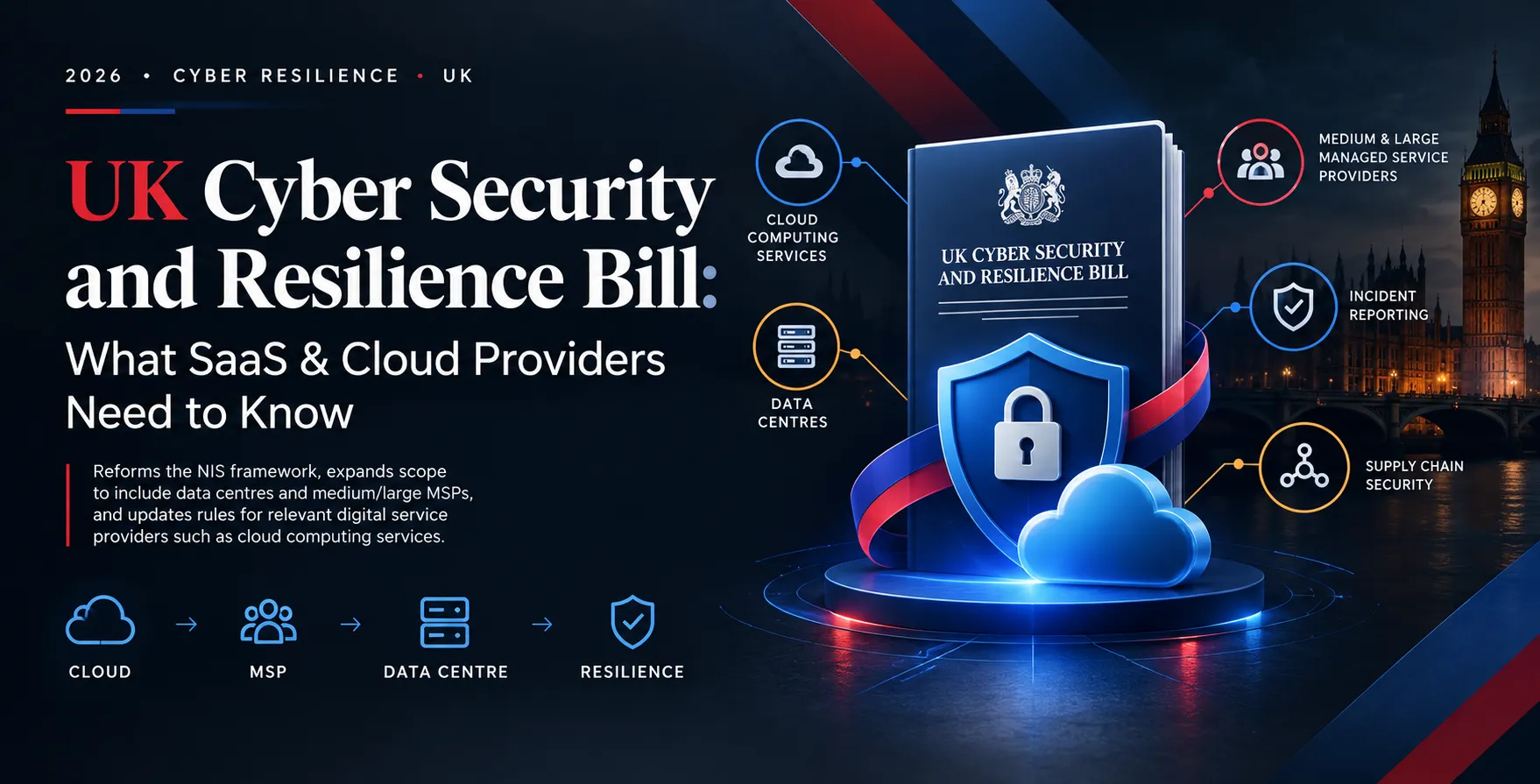
The UK government is moving toward a more robust framework for digital protection. The UK Cyber Security and Resilience Bill represents a significant shift in how digital services must manage risks.
For companies building software, this means moving beyond voluntary best practices. Security is now becoming a core regulatory expectation for any organization handling sensitive data at scale.
The Scope of the UK Cyber Security and Resilience Bill
This legislation aims to close gaps in the existing regulatory landscape. It targets entities that form the backbone of the digital economy, specifically focusing on critical infrastructure and essential services.
If you are a cloud platform provider, the scope of the UK Cyber Security and Resilience Bill for SaaS providers is likely to touch your operations directly. Regulators want to ensure that downtime or data breaches in one service do not cascade into wider economic instability.
- Cloud computing infrastructure providers
- Managed service providers
- High-traffic digital platforms
- Data storage infrastructure entities
Key Objectives for Digital Service Providers
The primary goal is to foster a culture of proactive defense. Instead of reacting to incidents, providers are expected to design systems that withstand sophisticated attacks.
This requires a fundamental change in how engineering teams approach their development lifecycle. Security can no longer be an afterthought or a secondary checklist item.
Risk-Based Security Models
Organizations must identify their most critical assets and protect them accordingly. This shift ensures resources are focused on the most impactful risks.
- Mapping critical data flows
- Conducting regular threat modeling
- Testing incident response plans
- Documenting security controls
These actions ensure that your defensive strategy remains aligned with the actual threats facing your platform.
Strengthening Supply Chain Resilience
The modern software stack is built on dozens of dependencies. The bill places a heavy burden on providers to ensure that their software supply chain security UK standards are beyond reproach.
You are responsible for the code you ship, even if it comes from an open-source library. Rigorous auditing of dependencies is now a necessity rather than an optional safeguard.
- Automated dependency scanning
- Software bill of materials maintenance
- Vendor security assessment programs
- Proactive vulnerability patching
Neglecting these areas can leave your infrastructure vulnerable to supply chain attacks that bypass traditional perimeter defenses.
Reporting Requirements and Transparency
The new rules emphasize timely disclosure of security incidents. Regulators need a clearer picture of the threat landscape to protect the broader ecosystem.
Providers must maintain detailed logs and reporting mechanisms. This transparency is intended to improve collective intelligence and shorten response times for common threats.
Impact on SaaS Architecture
Designing for resilience requires an architectural shift toward modularity. If one component fails, the rest of your system should remain operational.
When considering SaaS cybersecurity UK standards, developers must prioritize isolation. Microservices or serverless functions should be hardened to prevent lateral movement by attackers.
Zero Trust Implementation
Adopting zero-trust principles is essential for maintaining control in cloud-native environments. Never assume that traffic inside your network is inherently safe.
- Strict identity verification
- Least privilege access controls
- Encrypted internal communications
- Continuous authentication cycles
These practices ensure that even if a credential is compromised, the blast radius remains strictly contained.
Aligning with Existing Frameworks
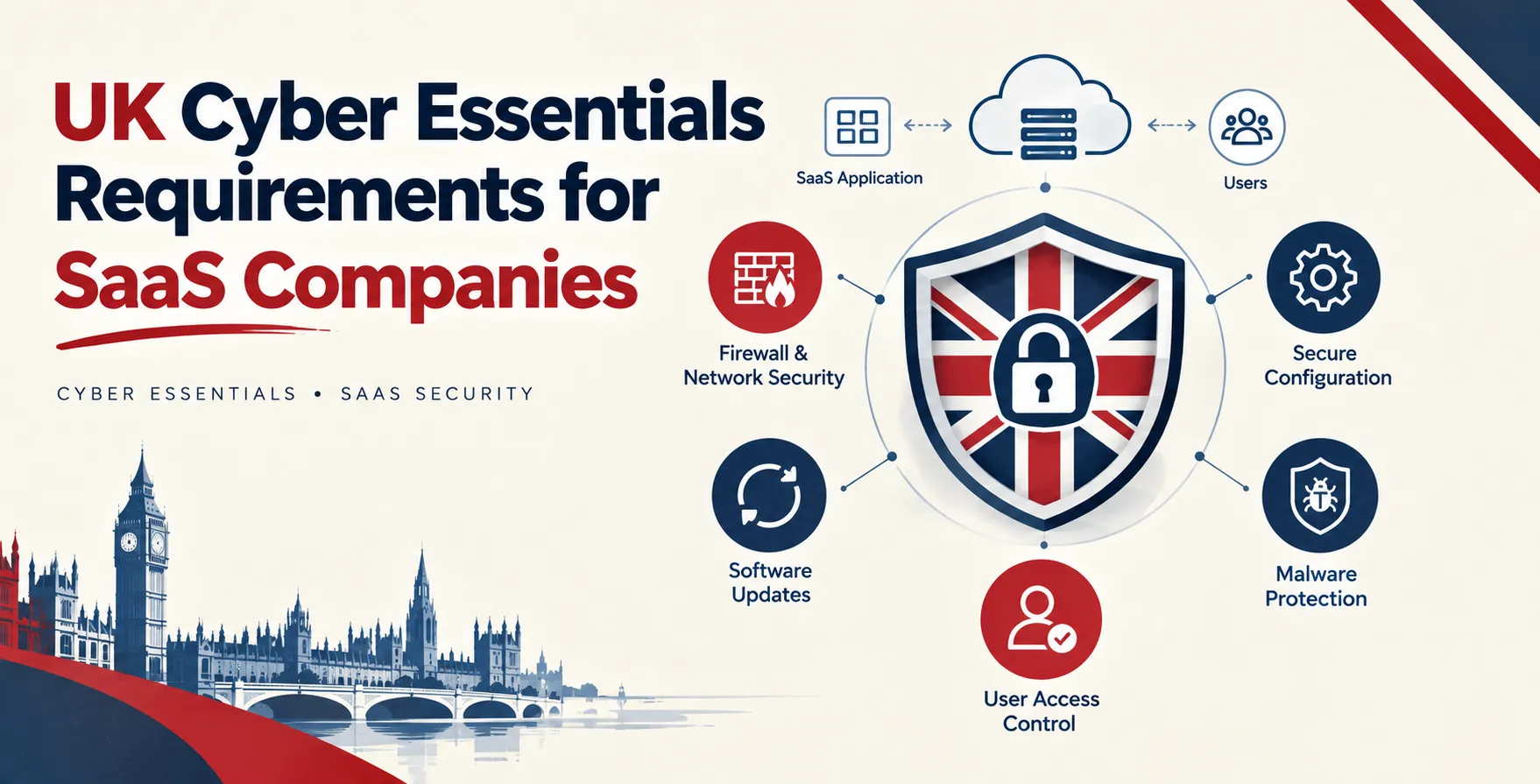
The new legislation does not exist in a vacuum. It builds upon established standards like Cyber Essentials for SaaS to ensure a baseline level of protection.
By maintaining strong adherence to these existing benchmarks, organizations can simplify their path to compliance. It is easier to extend a mature security program than to build one from scratch.
| Framework |
Focus Area |
Compliance Level |
| Cyber Essentials |
Baseline hygiene |
Foundational |
| ISO 27001 |
Management systems |
Comprehensive |
| New Legislation |
Resilience |
Mandatory |
Managing Third-Party Vendor Risk
Your platform is only as secure as your weakest vendor. If you integrate with external APIs, you must ensure they meet your internal security standards.
Always review the authentication and authorization flows of your partners. Using secure REST API design patterns and robust JWT best practices will protect your application and its users from unauthorized access.
Operational Resilience in Cloud Environments
Resilience is not just about security; it is about availability. Cloud providers are now expected to demonstrate high levels of uptime even during active cyber incidents.
This involves redundant infrastructure and automated failover mechanisms. Designing for resilience ensures your service remains reliable for customers during extreme conditions.
DevOps Strategies for Compliance
Compliance should be integrated into your CI/CD pipelines. Manual checks are too slow and error-prone for modern software delivery cycles.
Automated testing for security vulnerabilities allows teams to catch issues before they reach production. This approach aligns perfectly with the requirements of UK cloud security requirements regarding automated risk management.
- Automated security gates
- Infrastructure as code scanning
- Policy as code enforcement
- Automated compliance reporting
- Container security scanning
When security is coded into the pipeline, it becomes part of the development culture rather than a burden on the team.
Preparing Your Team for Implementation
Security is a human problem as much as a technical one. Training your developers on current threats is the most effective way to prevent code-level vulnerabilities.
Management must also prioritize security budgets and timelines. If security is not supported from the top down, technical teams will struggle to implement the necessary changes.
The Role of Continuous Monitoring
You cannot secure what you cannot see. Continuous monitoring of logs and traffic patterns is vital for detecting anomalies in real-time.
Modern production AI monitoring and robust observability tools provide the visibility needed to respond to incidents quickly. This capability is likely to be a central expectation under the new regulatory regime.
Final Thoughts
The evolving regulatory landscape is designed to make the digital economy safer for everyone. By embracing these changes, your organization can build a stronger, more resilient platform.
Focus on security as a core feature rather than a compliance chore. This proactive approach will benefit your reputation and your long-term operational success.


 In collaboration with