Table of Contents
- Introduction to UI/UX Design Pricing
- What is UI/UX Design?
- Understanding UI UX Design Pricing Models
- Hourly Pricing Model
- Fixed Pricing Model
- Retainer Pricing Model
- Comparison of UI UX Pricing Models
- Benefits of Each Pricing Model
- Challenges of Each Pricing Model
- How to Choose the Best Pricing Model
- Real-Life Examples of UI UX Design Pricing
- Conclusion
Introduction to UI/UX Design Pricing
UI UX design pricing is a critical aspect of any digital project. It determines how much you will pay for the design services.
The cost of UI UX design can vary depending on the complexity of the project and the experience of the designer.
Understanding the different UI UX design pricing models is essential to make an informed decision.
What is UI/UX Design?
UI/UX design refers to the process of creating user-centered designs for digital products.
It involves understanding the needs and behaviors of the users and creating designs that meet those needs.
A good UI/UX design can make a significant difference in the success of a digital product.
Understanding UI UX Design Pricing Models
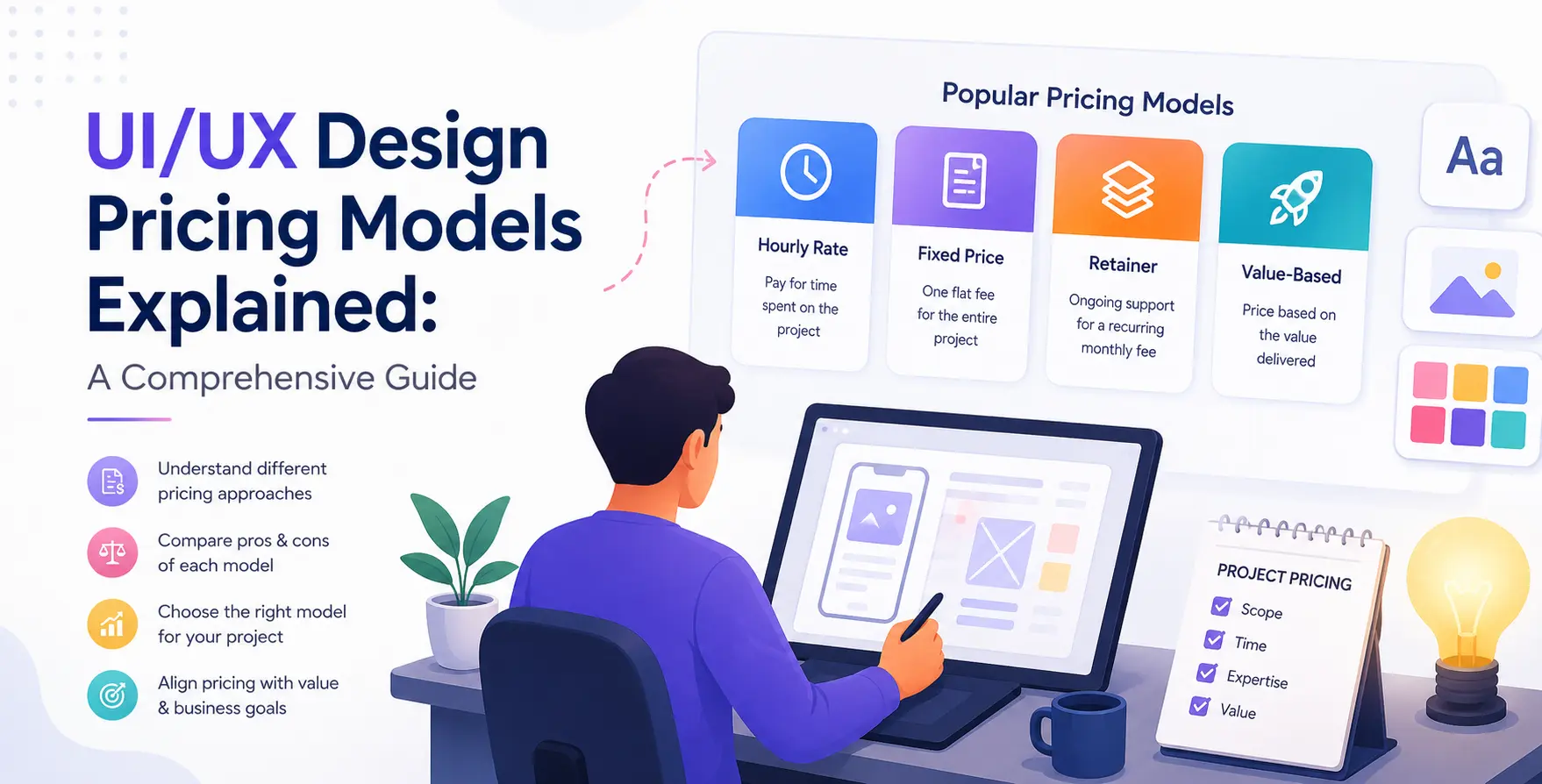
There are several UI UX design pricing models, including hourly, fixed, and retainer pricing models.
Each pricing model has its benefits and drawbacks, and the choice of pricing model depends on the specific needs of the project.
Understanding the different pricing models can help you choose the best one for your project.
- Hourly Pricing Model: Pay for the actual hours worked
- Fixed Pricing Model: Pay a fixed price for the entire project
- Retainer Pricing Model: Pay a recurring fee for ongoing design services
Hourly Pricing Model
The hourly pricing model is a common pricing model for UI/UX design services.
In this model, the designer charges an hourly rate for the actual hours worked on the project.
The hourly rate can vary depending on the experience and expertise of the designer.
- Benefits: flexibility, scalability, and cost-effectiveness
- Drawbacks: uncertainty about the total cost, potential for scope creep
Fixed Pricing Model
The fixed pricing model is another popular pricing model for UI/UX design services.
In this model, the designer charges a fixed price for the entire project, regardless of the actual hours worked.
The fixed price is usually determined by the complexity and scope of the project.
- Benefits: predictability, certainty about the total cost, and ease of budgeting
- Drawbacks: potential for underestimation or overestimation of the project scope
Retainer Pricing Model
The retainer pricing model is a recurring fee pricing model for ongoing UI/UX design services.
In this model, the designer charges a recurring fee, usually monthly or quarterly, for ongoing design services.
The retainer fee can vary depending on the scope and complexity of the project.
- Benefits: ongoing support, flexibility, and cost-effectiveness
- Drawbacks: potential for uncertainty about the total cost, potential for scope creep
Comparison of UI UX Pricing Models
| Pricing Model |
Benefits |
Drawbacks |
| Hourly Pricing Model |
Flexibility, scalability, and cost-effectiveness |
Uncertainty about the total cost, potential for scope creep |
| Fixed Pricing Model |
Predictability, certainty about the total cost, and ease of budgeting |
Potential for underestimation or overestimation of the project scope |
| Retainer Pricing Model |
Ongoing support, flexibility, and cost-effectiveness |
Uncertainty about the total cost, potential for scope creep |
Benefits of Each Pricing Model
Each pricing model has its benefits, and the choice of pricing model depends on the specific needs of the project.
The hourly pricing model is beneficial for small projects or projects with a limited scope.
The fixed pricing model is beneficial for large projects or projects with a well-defined scope.
- Hourly Pricing Model: flexibility, scalability, and cost-effectiveness
- Fixed Pricing Model: predictability, certainty about the total cost, and ease of budgeting
- Retainer Pricing Model: ongoing support, flexibility, and cost-effectiveness
Challenges of Each Pricing Model
Each pricing model also has its challenges, and the choice of pricing model depends on the specific needs of the project.
The hourly pricing model can be challenging due to the uncertainty about the total cost.
The fixed pricing model can be challenging due to the potential for underestimation or overestimation of the project scope.
- Hourly Pricing Model: uncertainty about the total cost, potential for scope creep
- Fixed Pricing Model: potential for underestimation or overestimation of the project scope
- Retainer Pricing Model: uncertainty about the total cost, potential for scope creep
How to Choose the Best Pricing Model
Choosing the best pricing model depends on the specific needs of the project.
Consider the complexity and scope of the project, as well as the experience and expertise of the designer.
Also, consider the budget and the potential risks and benefits of each pricing model.
- Consider the complexity and scope of the project
- Consider the experience and expertise of the designer
- Consider the budget and the potential risks and benefits of each pricing model
Real-Life Examples of UI UX Design Pricing
Let’s look at some real-life examples of UI UX design pricing.
A small startup might choose the hourly pricing model for a small project with a limited scope.
A large corporation might choose the fixed pricing model for a large project with a well-defined scope.
- Small startup: hourly pricing model for a small project
- Large corporation: fixed pricing model for a large project
Conclusion
UI UX design pricing models can be complex and challenging to navigate.
Understanding the different pricing models, including hourly, fixed, and retainer pricing models, can help you choose the best one for your project.
Consider the complexity and scope of the project, as well as the experience and expertise of the designer, to make an informed decision.
Remember to also consider the budget and the potential risks and benefits of each pricing model.
By choosing the right pricing model, you can ensure the success of your UI UX design project and get the best value for your money.


 In collaboration with