Table of Contents
- Introduction to Python Dependency Management
- The Role of Lockfiles in Production
- Understanding Poetry
- Understanding uv
- Key Differences in Architecture
- Performance Benchmarks
- Lockfile Determinism and Security
- Workflow Integration
- When to Choose Poetry
- When to Choose uv
- Dependency Management Comparison
- Best Practices for Production Environments
- Final Thoughts
Introduction to Python Dependency Management
In modern software development, managing external libraries is a significant challenge. Developers need reproducible builds that function identically across local machines, CI/CD pipelines, and cloud production environments.
Python dependency management has evolved from simple text files to sophisticated tools that ensure environment parity. Choosing the right tool impacts your deployment speed, security posture, and developer experience.
The Role of Lockfiles in Production
A lockfile acts as a snapshot of your entire dependency tree. It pins every sub-dependency to an exact version and hash, preventing accidental updates during deployments.
Without a strict lockfile, your application might pull a newer, buggy version of a library during a CI/CD build. This inconsistency often leads to production outages that are difficult to debug or revert.
- Ensures consistent package versions
- Prevents dependency drift
- Increases deployment reliability
- Facilitates easier security audits
- Simplifies environment replication
Understanding Poetry
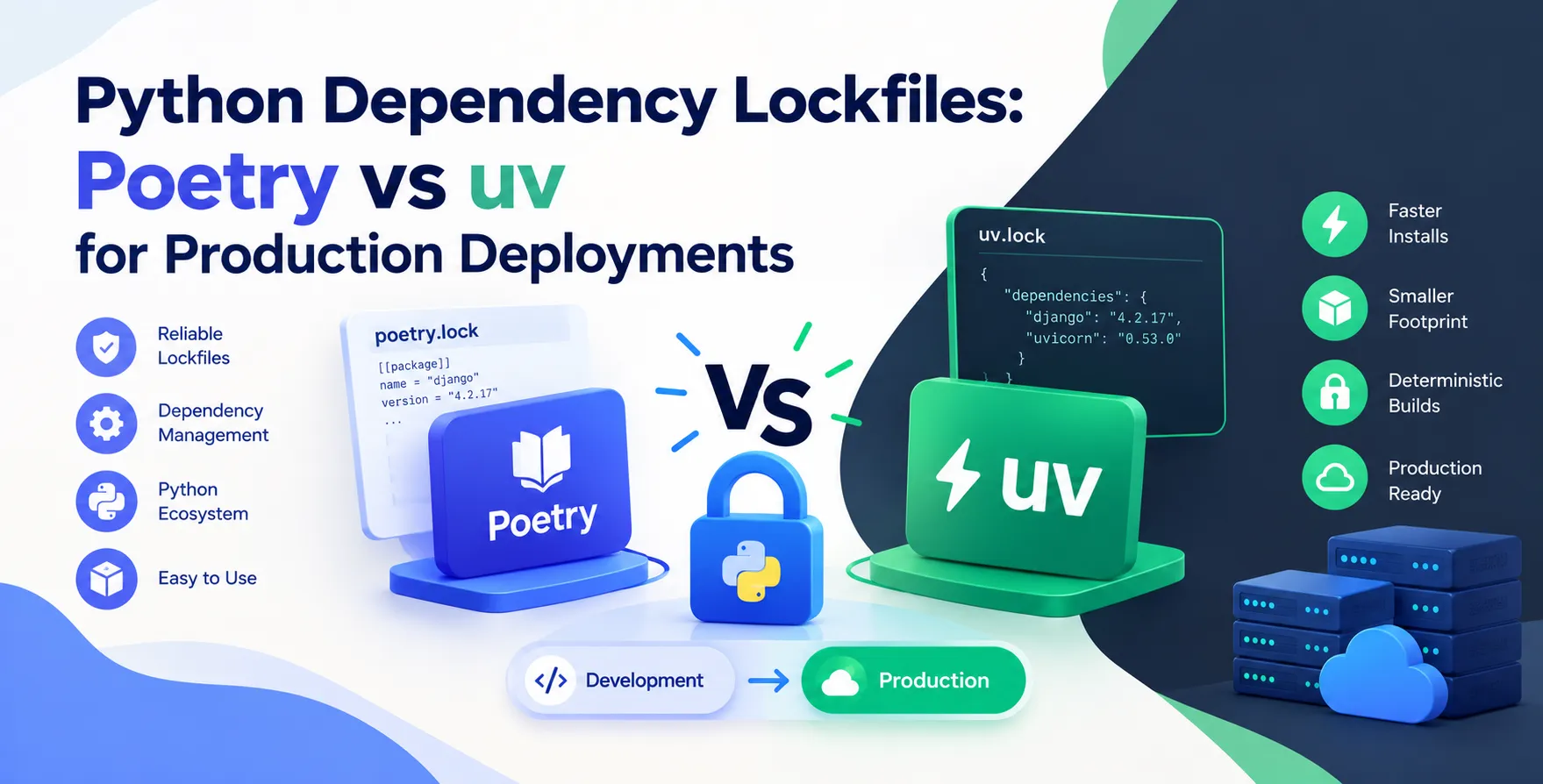
Poetry has long been the industry standard for robust Python dependency management. It offers a comprehensive suite of tools for packaging and publishing while providing a very strict lockfile mechanism.
It handles virtual environment creation and dependency resolution automatically. Developers appreciate its ease of use when managing complex projects with numerous overlapping requirements.
Understanding uv
uv is a newer, high-performance tool written in Rust designed to act as a drop-in replacement for traditional tools. It focuses on extreme speed by leveraging advanced caching and parallel resolution strategies.
Many teams are exploring this tool to optimize their build times. It excels in environments where rapid feedback loops and fast container image builds are the highest priority.
Key Differences in Architecture
Poetry Architecture
Poetry relies on a solver that is thorough and feature-rich. It prioritizes correctness and metadata verification for publishing packages to the ecosystem.
- High-level abstraction for developers
- Native support for packaging
- Strict adherence to PEP standards
uv Architecture
The architecture of uv is built for speed and efficiency. It avoids many of the overheads associated with Python-based tools by utilizing Rust’s performance capabilities.
- Extreme installation speeds
- Aggressive caching mechanisms
- Reduced memory footprint
The architectural shift toward Rust-based tools is changing how we approach CI/CD efficiency today.
Performance Benchmarks
When comparing tools, performance is usually measured by how quickly a clean environment can be provisioned. This is vital for scaling automated build systems.
Poetry is efficient, but its resolution phase can take longer on massive projects. Conversely, uv is consistently faster at resolving and installing packages, making it a favorite for teams suffering from slow build pipelines.
| Feature |
Poetry |
uv |
| Installation Speed |
Moderate |
Extremely Fast |
| Project Setup |
Comprehensive |
Minimalist |
| Dependency Resolution |
Very Precise |
High-Performance |
| Primary Language |
Python |
Rust |
| Deployment Suitability |
Excellent |
Excellent |
Lockfile Determinism and Security
Both tools provide excellent determinism, ensuring that the code running in production is exactly what was tested in staging. This is a core pillar of Python lockfile best practices.
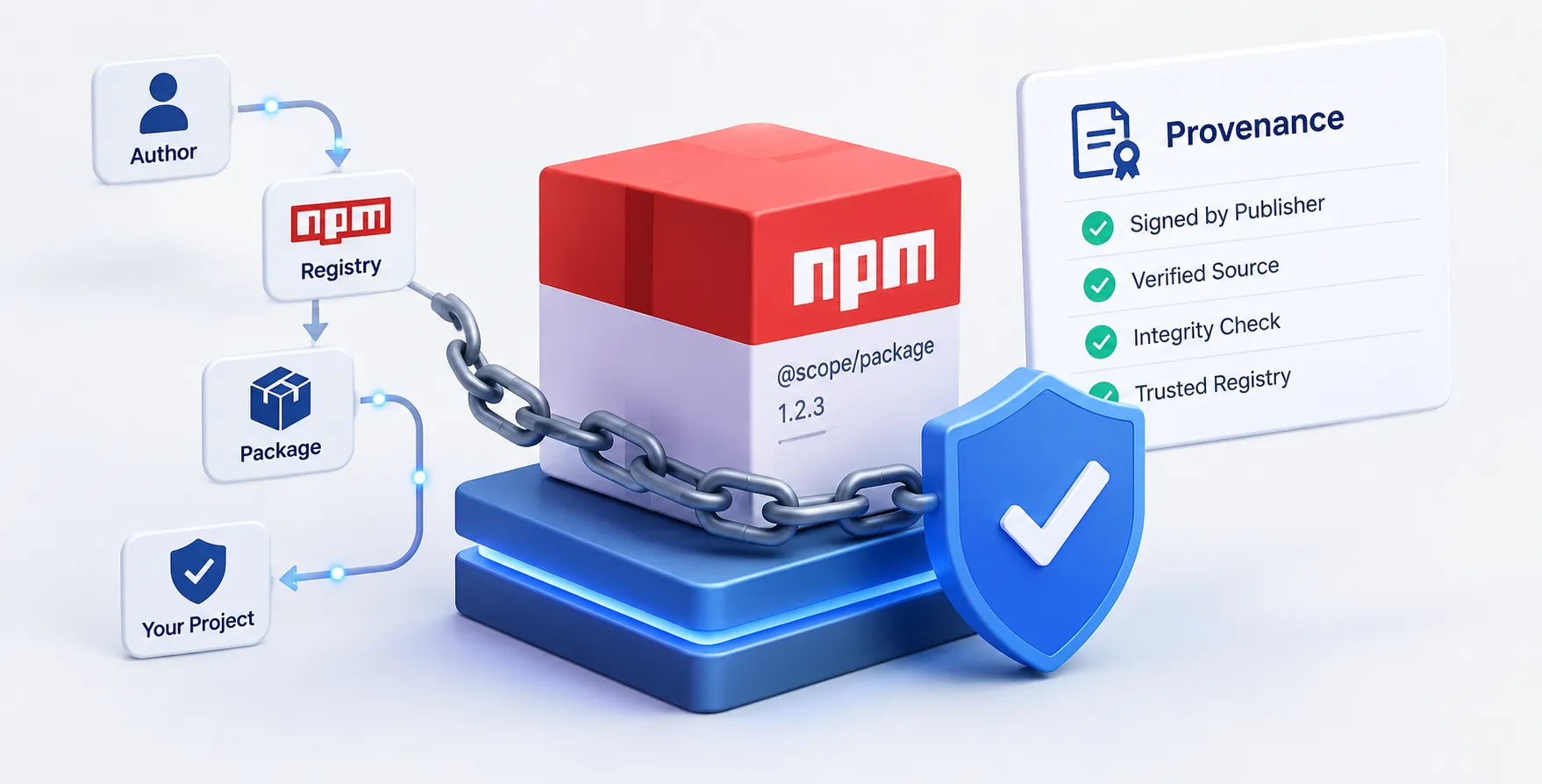
However, security involves more than just version pinning. You must also ensure that your dependencies are free from vulnerabilities. Always integrate automated scanning into your deployment pipeline to catch issues early.
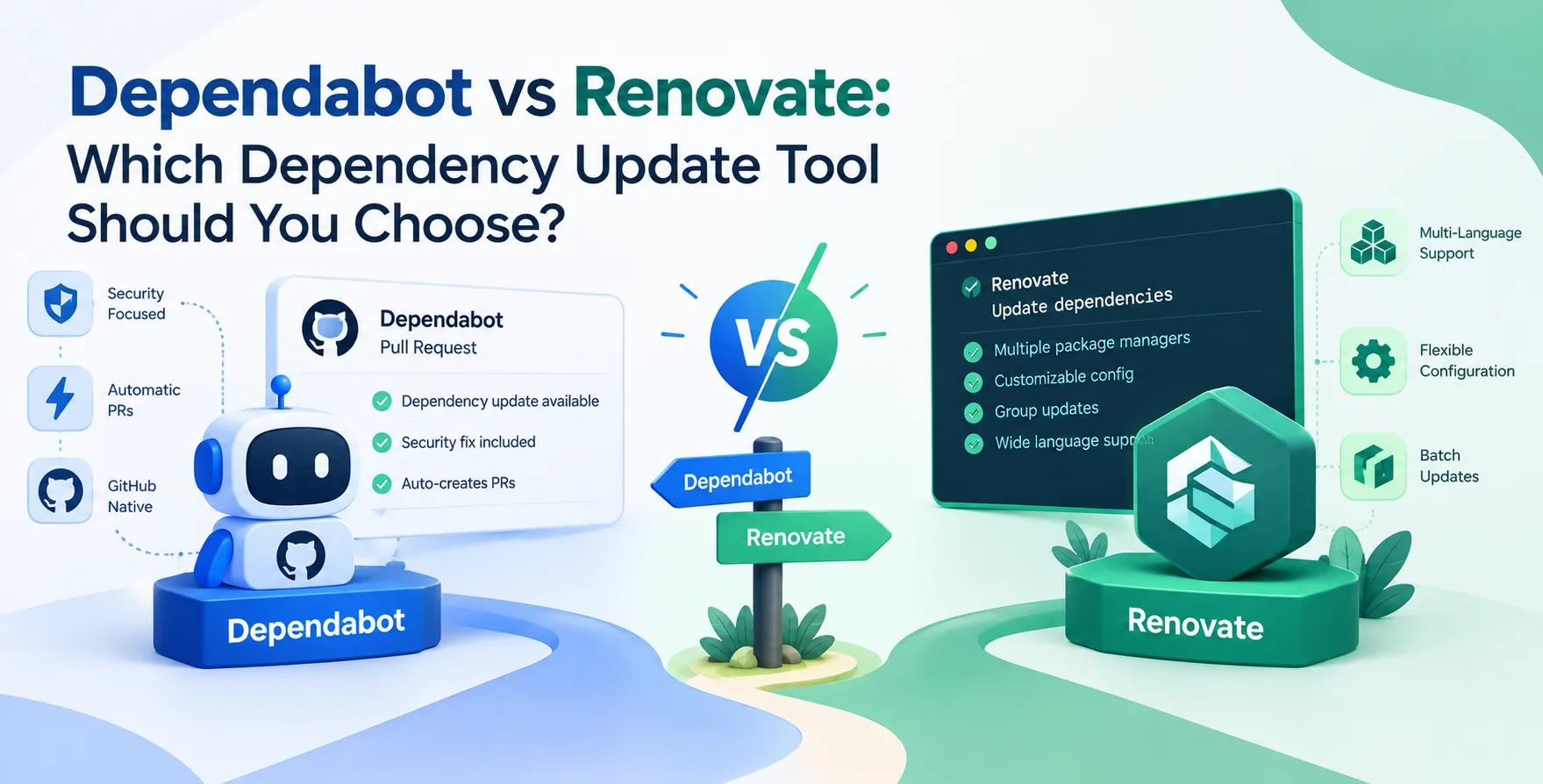
Regularly updating your dependencies is also necessary. Using a tool that simplifies the update process without sacrificing stability is essential for long-term maintenance.
Workflow Integration
Integrating these tools into your daily workflow requires considering your existing infrastructure. If you already have a complex CI/CD pipeline, the transition might involve updating your build scripts.
Both tools support standard project formats like pyproject.toml, which makes migration relatively straightforward. You can often switch tools without rewriting your entire project structure.
- Seamless integration with common CI tools
- Standardized project configuration formats
- Support for multiple Python versions
- Clear documentation for team onboarding
When to Choose Poetry
You should stick with Poetry if your project requires publishing to PyPI or if you prefer a tool that handles the entire project lifecycle. It provides an all-in-one solution that many developers find intuitive and stable.
Teams that have deeply integrated Poetry into their existing custom deployment scripts may find little reason to switch. It remains a rock-solid choice for enterprise applications where stability and feature completeness are prioritized over raw build speed.
When to Choose uv
Choose uv if your primary bottleneck is slow CI/CD builds or if you manage a massive number of microservices. It significantly reduces the time spent waiting for dependencies to install during container builds.
It is also a great choice for developers who want a lightweight, fast, and modern toolset. Its performance gains often justify the effort of migrating your existing workflows.
Dependency Management Comparison
Comparing these tools reveals that the choice often boils down to specific team needs. Poetry excels in project management, while uv excels in execution speed.
Some teams use a hybrid approach. They might use Poetry for local development and package management, while using uv in production CI/CD pipelines to speed up image creation.
- Evaluate build time requirements
- Assess developer team familiarity
- Consider long-term maintenance overhead
- Check compatibility with existing cloud workflows
Best Practices for Production Environments
Regardless of your tool choice, never commit your virtual environment directly to source control. Always rely on the lockfile to generate the environment during the deployment phase.
Keep your base images slim and secure by using multi-stage builds. This minimizes the attack surface and reduces the size of the artifacts you need to move across your network.
Finally, monitor your dependencies for known vulnerabilities. Automating these checks ensures your production environment stays secure without requiring manual intervention every week.
Final Thoughts
The debate surrounding Python dependency lockfiles is a sign of a healthy and evolving ecosystem. Both Poetry and uv offer powerful ways to ensure your production deployments remain consistent and reliable.
Assess your current pain points honestly before committing to a tool. If performance is your primary concern, modern Rust-based solutions are hard to beat. If you prefer a mature, all-encompassing suite, the traditional standard remains an excellent choice.


 In collaboration with