Table of Contents
- Introduction to Modern Payments
- What Is Payment Orchestration?
- Core Components of Orchestration
- How Payment Orchestration Works
- The Role of a Payment Routing Platform
- Why Fintechs Choose Multi PSP Strategies
- Benefits of Centralized Integration
- Managing Global Compliance and Security
- Reducing Transaction Failures
- Optimizing Costs with Smart Routing
- Technical Implementation Challenges
- Scaling Infrastructure for Growth
- Future Trends in Payment Tech
- Conclusion
Introduction to Modern Payments
Modern fintech companies operate in a complex ecosystem where customers expect instant, secure transactions. As businesses expand globally, they face the challenge of managing diverse payment methods and regional regulations.
Traditional methods of connecting to payment gateways are often rigid and expensive to maintain. Forward-thinking companies now utilize payment orchestration to unify these fragmented processes into a single, cohesive layer.
What Is Payment Orchestration?
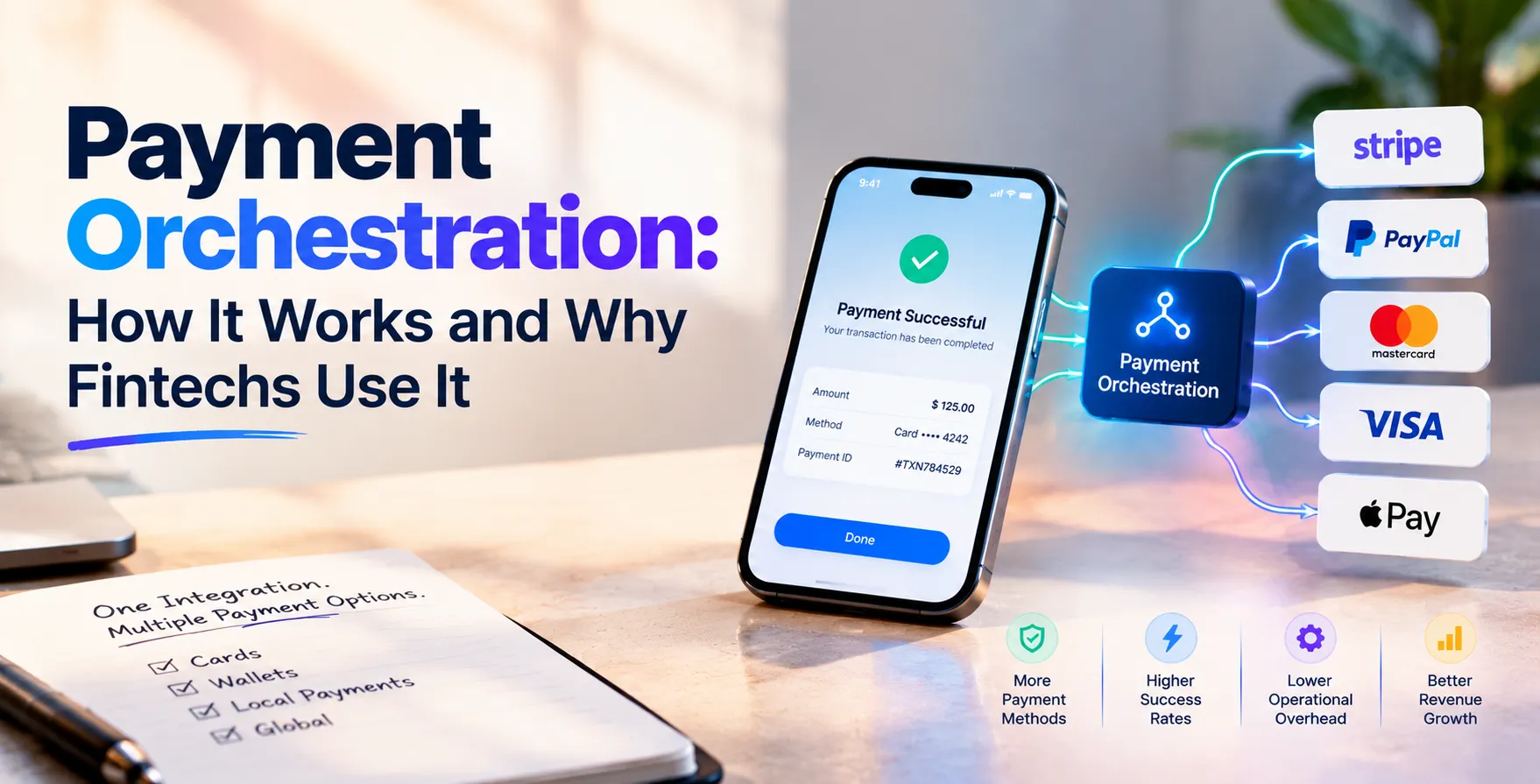
Payment orchestration is a software layer that sits between your application and multiple payment service providers. It acts as a central hub that manages, routes, and optimizes transaction traffic across various channels.
Instead of hard-coding individual integrations for every new provider, you connect your system once to the orchestration platform. This abstraction allows you to swap providers or add new payment methods without re-engineering your core backend.
- Centralizes all payment traffic
- Simplifies provider management
- Enables rapid market expansion
- Decouples application logic from payment logic
Core Components of Orchestration
Building a robust payment architecture requires several specialized components that work in tandem. These elements ensure that data flows safely from the user to the processor and back again.
Integration Engines
The integration engine serves as the translator between your platform and external financial services. It handles standardized data formats regardless of the underlying provider's requirements.
- Standardizes API communication
- Maps legacy data structures
- Manages authentication tokens
Reporting Modules
Detailed reporting provides visibility into transaction health across the entire stack. You gain insights into why transactions fail and where bottlenecks exist within your regional provider network.
- Tracks real-time transaction status
- Aggregates data for reconciliation
- Monitors provider uptime
How Payment Orchestration Works
When a user initiates a checkout, the request hits the orchestration layer rather than a single gateway. The system then evaluates the transaction parameters, such as currency, geographic location, and card type, to determine the optimal path.
By understanding payment orchestration how it works for fintech, developers can appreciate the intelligence involved in dynamic routing. The platform automatically selects the provider most likely to authorize the transaction based on historical performance data.
This automated decision-making happens in milliseconds, ensuring the end-user never perceives the complexity occurring in the background. Once the processor responds, the orchestration layer normalizes the result and returns it to your application.
- Intercepts raw transaction requests
- Evaluates routing rules dynamically
- Delivers final status to user
The Role of a Payment Routing Platform
A sophisticated payment routing platform goes beyond simple pass-through functionality. It applies business logic to every request, ensuring that transactions reach the most effective destination every time.
This logic can include failover mechanisms that automatically switch to a backup provider if the primary one experiences downtime. It helps maintain high availability during peak shopping seasons or unexpected service outages.
- Implements automatic failover logic
- Optimizes for lowest transaction fees
- Handles currency conversion routing
- Balances load between processors
Why Fintechs Choose Multi PSP Strategies
Relying on a single payment service provider creates a single point of failure that can halt revenue. A multi PSP payment orchestration strategy mitigates this risk by distributing traffic across several providers.
This approach allows companies to leverage regional expertise, as some providers offer better authorization rates in specific countries. It also provides leverage during contract negotiations, as you are not locked into a single ecosystem.
| Strategy |
Single PSP |
Multi PSP Orchestration |
| Resilience |
Low |
High |
| Flexibility |
Limited |
High |
| Integration |
Simple |
Complex |
| Cost Control |
Rigid |
Dynamic |
Benefits of Centralized Integration
Centralized integration reduces the technical debt associated with maintaining dozens of disparate API connections. Your engineering team focuses on product features rather than fixing broken payment connections.
This consolidation streamlines compliance efforts as well. Security standards like PCI-DSS are easier to manage when you limit the number of touchpoints handling sensitive cardholder data.
- Reduces maintenance overhead
- Ensures consistent data handling
- Simplifies security auditing
Managing Global Compliance and Security
Handling payments across borders involves navigating a labyrinth of regional regulations and security requirements. Orchestration platforms often include built-in features that manage these complexities automatically.
They ensure that data is tokenized before it reaches any processor, significantly reducing your compliance scope. This abstraction is essential for startups looking to launch in multiple jurisdictions simultaneously.
Reducing Transaction Failures
Transaction failures are a major cause of cart abandonment and lost revenue. Orchestration layers use intelligent retries and error code analysis to resolve transient issues without bothering the customer.
If a decline occurs due to a soft error, the platform can automatically route the transaction through a different processor. This proactive approach rescues revenue that would otherwise be lost to simple technical glitches.
Optimizing Costs with Smart Routing
Processing fees vary significantly between different payment service providers. A smart orchestration system monitors these costs and routes transactions to the cheapest processor for that specific card type and currency.
Over millions of transactions, even small percentage savings add up to substantial bottom-line improvements. This cost-efficiency is a key driver for mature fintech platforms looking to scale profitably.
Technical Implementation Challenges
Implementing an orchestration layer is not without its difficulties. You must ensure that your existing backend can handle the transition to a decoupled architecture without disrupting current operations.
Data migration and historical records management are often the most difficult parts of the process. Careful planning and phased rollouts are required to ensure data integrity remains intact throughout the transition.
Scaling Infrastructure for Growth
As your transaction volume grows, your infrastructure must scale to meet the demand. Orchestration platforms are designed to handle high concurrency, ensuring that your payment processing speed remains stable.
By offloading the heavy lifting of provider management, your internal systems remain lean and performant. This allows your team to continue shipping new features without worrying about payment latency.
Future Trends in Payment Tech
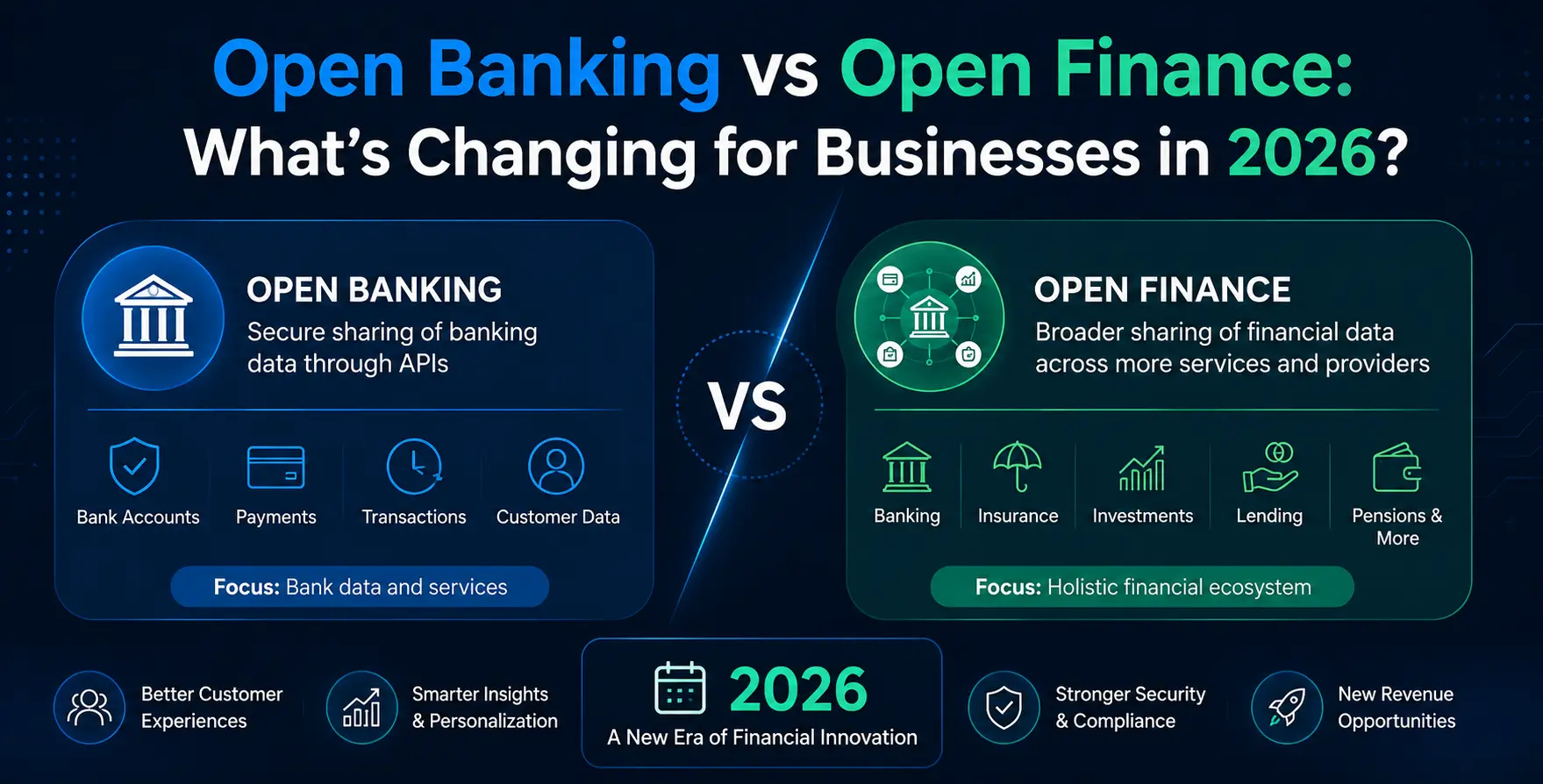
The landscape of digital finance continues to shift toward more open and interconnected systems. We are seeing increased adoption of real-time payment rails and alternative payment methods like crypto or digital wallets.
Orchestration platforms will likely incorporate more advanced analytics and predictive capabilities in the coming years. Staying ahead of these trends will define which fintech platforms lead the market.
Conclusion
Payment orchestration provides the infrastructure necessary to scale modern financial services efficiently. By decoupling your application from payment providers, you gain the resilience and flexibility needed to compete in a global market.
Whether you are implementing a multi PSP strategy or optimizing for cost, these platforms offer the tools to succeed. Start by evaluating your current payment stack and identifying where complexity is hindering your growth.
Frequently Asked Questions
-
What is the primary benefit of payment orchestration? It allows businesses to manage multiple payment providers through one central platform, increasing reliability and flexibility.
-
Is payment orchestration only for large enterprises? No, it is increasingly popular among scaling fintechs that need to manage global expansion without excessive engineering overhead.
-
How does it differ from a standard payment gateway? A gateway is a single connection, while an orchestration layer acts as a routing hub for multiple gateways and processors.
-
Does orchestration help with fraud prevention? Yes, many orchestration platforms integrate with specialized security tools to identify and block suspicious transactions in real time.
-
Can I integrate my existing payment providers? Most orchestration platforms offer extensive libraries of pre-built integrations, allowing you to connect your current providers easily.
-
Does it increase payment latency? When implemented correctly, the overhead is negligible compared to the benefits of improved routing and automatic failover.


 In collaboration with