Table of Contents
- Introduction
- The Shift Toward Generative AI Search
- Understanding AI Search Optimization
- Foundations of GEO for SaaS
- Importance of High-Quality Citations
- Structured Data for AI Visibility
- The Role of Content Depth and Accuracy
- Technical Foundations for AI Bots
- Content Authority and Brand Signals
- Measuring AI Search Visibility
- Common Pitfalls in AI Optimization
- Comparing Traditional SEO and AI Optimization
- Final Thoughts
Introduction
The landscape of search is changing faster than many marketing teams can keep up with. Traditional blue-link results are increasingly being supplemented or replaced by conversational AI responses.
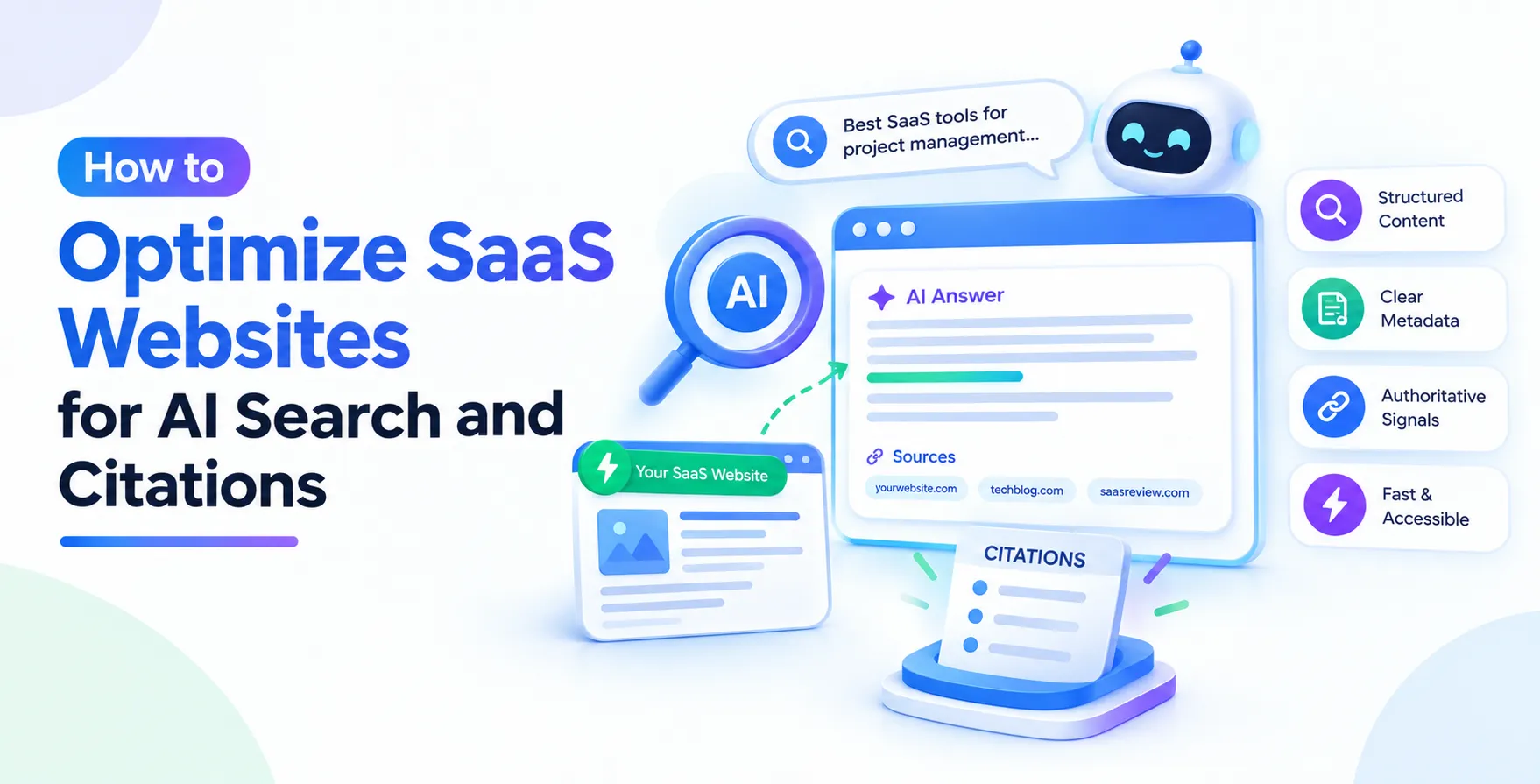
For software companies, this means the rules of the game are shifting. You now need to focus on how to optimize SaaS websites for AI search and citations to remain a relevant source of information.
If your platform cannot be cited by an AI engine, you are effectively invisible to a growing segment of power users. Adapting to this reality is no longer optional for long-term growth.
The Shift Toward Generative AI Search
Generative AI engines function differently than traditional search crawlers. Instead of just pointing users to a list of links, these systems synthesize information to provide direct answers.
When an AI model generates a summary, it pulls data from trusted, authoritative sources. If your SaaS documentation or blog content is poorly structured, the engine will likely ignore it.
This shift requires a fundamental change in how we approach web development. You must prioritize clarity, factual accuracy, and machine-readable data structures.
Understanding AI Search Optimization
AI search optimization is the process of making your content easily discoverable and verifiable by Large Language Models. Unlike traditional search, which focuses on keyword density, AI systems evaluate the semantic meaning of your pages.
These systems look for authoritative claims supported by evidence. If your site lacks deep, context-rich content, it will struggle to earn a citation.
Think of your website as a library for AI bots. The better you organize your shelves, the more likely the bot is to pick your book as a reference.
- Focus on semantic clarity
- Build deep topical authority
- Prioritize factual accuracy
- Use structured data markup
Foundations of GEO for SaaS
Generative Engine Optimization, or GEO for SaaS, involves tailoring your digital assets to be accurately parsed and retrieved by AI. Because AI models prioritize concise, relevant, and authoritative information, your content strategy must evolve.
You should aim to answer specific user questions directly within your body text. Avoid jargon-heavy fluff that adds no value to the reader or the model.
By structuring your answers as if they were being read aloud, you improve the chances of your content being selected for a response. This is the core of modern search visibility.
Importance of High-Quality Citations
Citations are the digital equivalent of a reference in a research paper. When an AI engine cites your SaaS tool, it validates your brand as an expert in your niche.
This is where your off-page strategy becomes critical. High-quality backlinks from reputable industry publications still carry significant weight for AI trust scores.
However, the context of the link matters more than ever. Ensure your brand is mentioned in contexts that define your problem-solving capabilities.
- Earn mentions in industry reports
- Contribute to authoritative SaaS blogs
- Publish original research studies
- Engage in technical documentation sharing
Structured Data for AI Visibility
Structured data provides the scaffolding that AI bots need to understand your content. By implementing Schema markup, you help machines map your features, pricing, and use cases accurately.
Without this, an AI might misinterpret your core product offerings. It is a critical component of technical SEO that you cannot ignore in the current environment.
Ensure your JSON-LD is clean and error-free. The more easily a bot can parse your data, the higher your AI search visibility will be.
The Role of Content Depth and Accuracy
AI models are trained to avoid hallucination and prioritize verified facts. If your content is vague or outdated, the models will naturally deprioritize it in their responses.
Your SaaS product pages should be updated regularly with precise feature details. Use clear, descriptive headings that outline what your software actually does for the user.
Depth is the new length. Instead of writing 2,000 words of filler, write 500 words of highly specific, technical, and useful information.
Technical Foundations for AI Bots
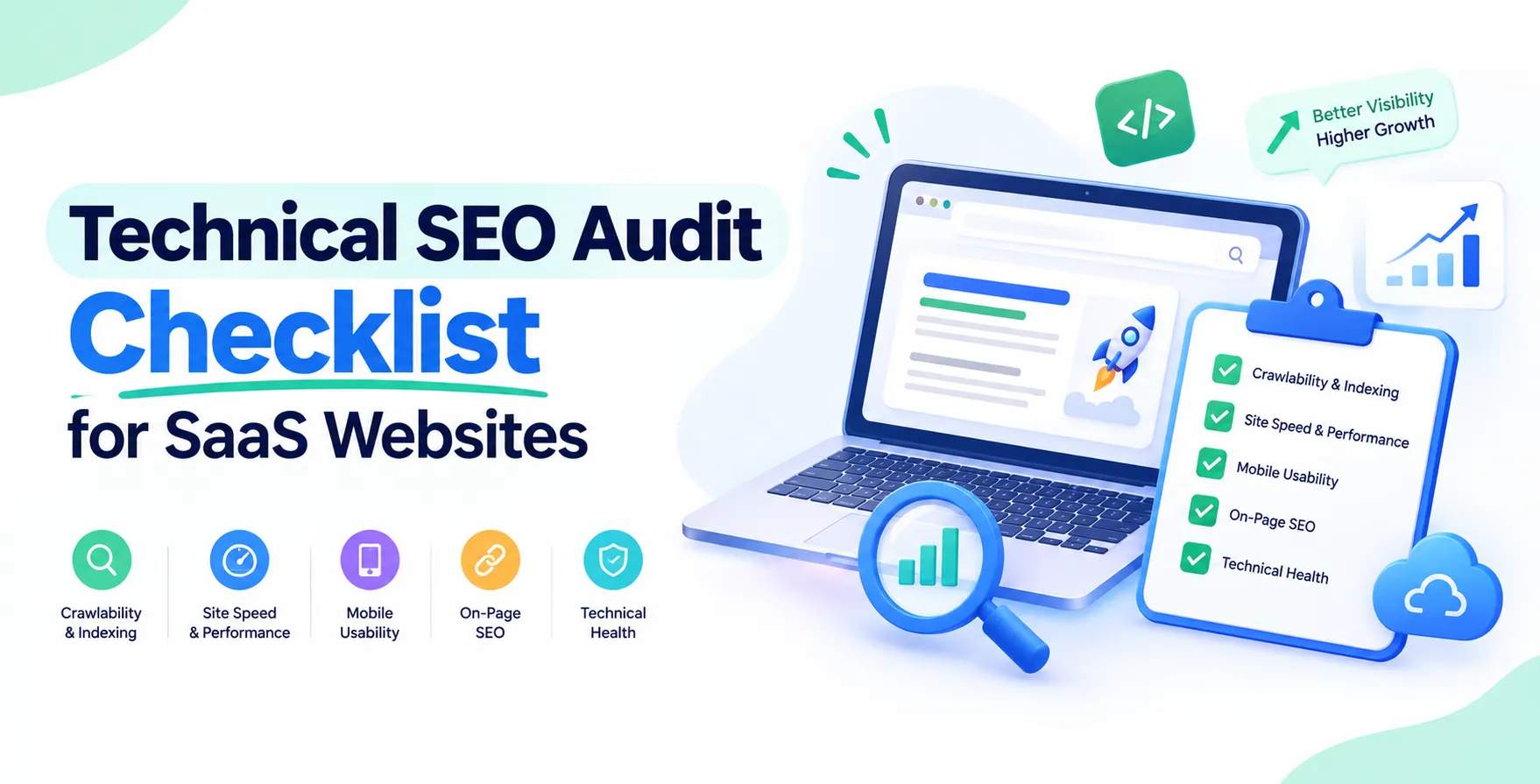
Your technical infrastructure remains the backbone of your digital presence. Even the best content will fail if AI crawlers cannot access it efficiently.
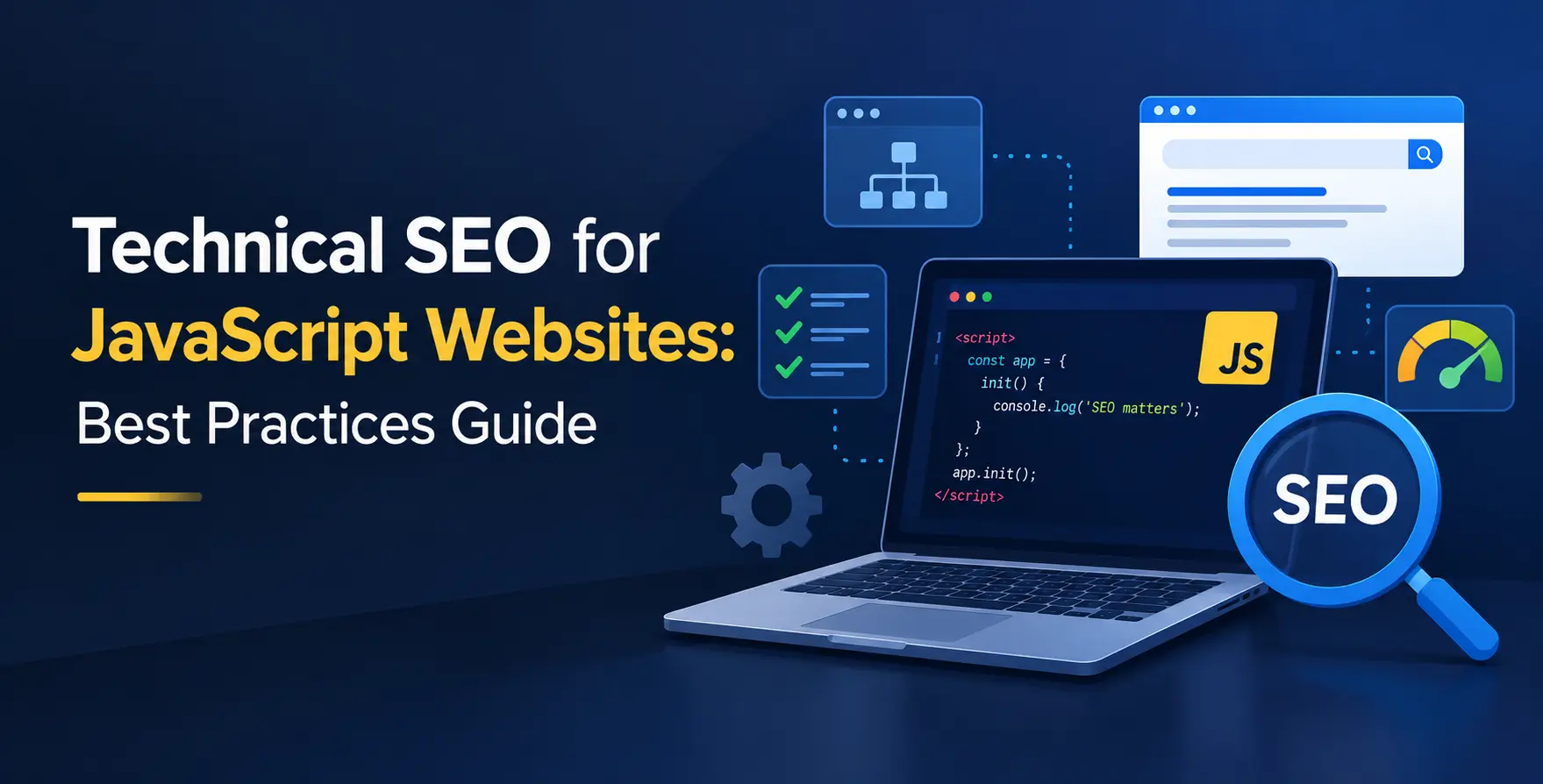
Issues like slow page speeds or complex JavaScript-heavy frameworks can hinder bot performance. You need to ensure your site is built to handle both human users and automated crawlers.
Consider the benefits of server-side rendering to ensure content is fully available upon initial page load. This is a standard practice for maintaining high performance and accessibility.
- Maintain fast server response times
- Simplify complex code structures
- Ensure mobile responsiveness
- Use semantic HTML tags
Content Authority and Brand Signals
Building a brand that AI models trust takes time and consistent output. You need to establish your team as experts who solve real-world problems for your customers.
Consistent, high-quality whitepapers and technical guides act as signals of authority. When these documents are widely referenced, they become the primary source material for generative models.
Focus on long-term brand building rather than quick traffic spikes. AI models reward those who provide consistent value over months and years.
Measuring AI Search Visibility
Measuring success in an AI-driven world requires new metrics. Traditional rank tracking tools are becoming less useful as the SERPs move toward conversational results.
You should track your brand mentions and how often your content is cited in AI responses. Look for patterns in what kind of content gets picked up most frequently.
Adjust your strategy based on these insights. If your documentation pages are performing well, lean into that format for future content.
- Monitor brand sentiment in models
- Track citation frequency
- Analyze topical coverage gaps
- Review referral traffic patterns
Common Pitfalls in AI Optimization
Many companies make the mistake of over-optimizing for keywords at the expense of clarity. This outdated approach can actually hurt your ability to be cited by modern AI.
Another common issue is ignoring the quality of external sources. If you associate your brand with low-quality content, you may dilute your own authority.
Avoid trying to trick the bots. Focus on providing real, tangible value that aligns with user intent and factual accuracy.
Comparing Traditional SEO and AI Optimization
| Feature |
Traditional SEO |
AI Search Optimization |
| Primary Goal |
High ranking in links |
Direct answer retrieval |
| Keyword Focus |
Search volume |
Semantic intent |
| Success Signal |
Organic clicks |
Citations and mentions |
| Content Style |
Formatted for humans |
Structured for machines |
| Technical Focus |
Page speed/links |
Data structure/validity |
Final Thoughts
Optimizing for AI search is a natural evolution of your existing digital marketing efforts. By focusing on technical integrity, authoritative content, and structured data, you prepare your business for the future.
Remember that the goal is to be the most helpful source for the user. If you solve their problem, the AI models will naturally find and cite your content.
Stay consistent, keep your data accurate, and always prioritize the user experience. Your long-term visibility depends on the depth and quality of your digital footprint.


 In collaboration with