Table of Contents
- Understanding the EU Digital Product Passport
- Regulatory Landscape and Compliance
- Core Components of the DPP Framework
- Role of Data Interoperability
- The Importance of API-First Development
- Technical Requirements for DPP Implementation
- EU Digital Product Passport API integration Strategies
- Ensuring Data Security and Privacy
- Common Implementation Challenges
- Selecting the Right Digital Product Passport Software
- Scalability for Future Regulatory Changes
- Best Practices for Data Management
- Preparing Your Team for Compliance
- Conclusion
Understanding the EU Digital Product Passport
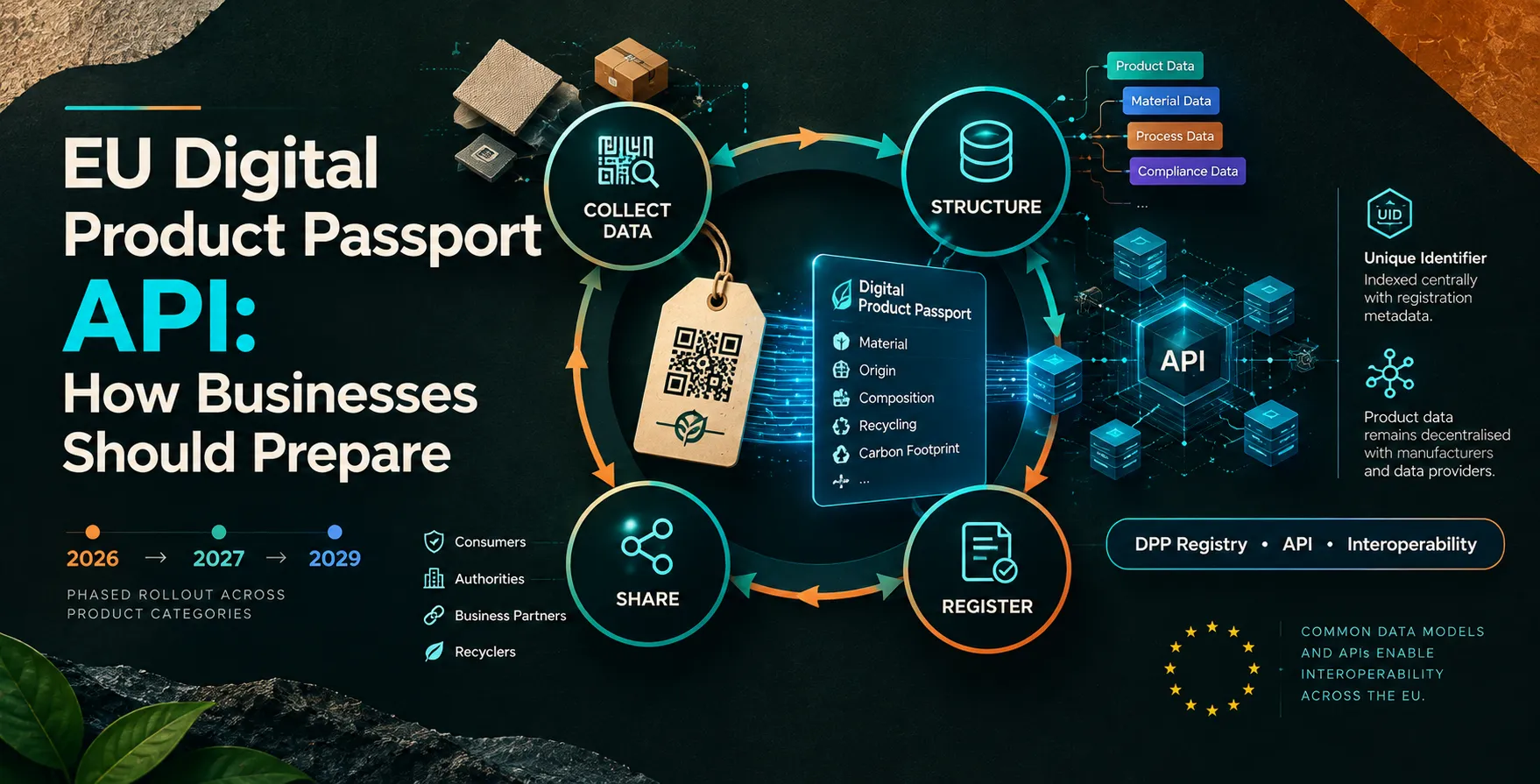
The Digital Product Passport is a transformative initiative designed to enhance transparency across product lifecycles. By providing detailed information on sustainability, durability, and reparability, it empowers consumers and regulators alike.
For manufacturers and distributors, this means shifting toward a digital-first documentation strategy. You are no longer just selling a physical item; you are delivering a comprehensive data trail.
- Increases transparency for consumers
- Promotes circular economy goals
- Standardizes product lifecycle data
- Supports regulatory compliance efforts
Regulatory Landscape and Compliance
European Union regulations are rapidly tightening around product sustainability. Organizations must adapt to these mandates to maintain access to the European market.
Compliance is not optional for companies operating within the EU. Failure to provide accurate product data can lead to significant penalties and loss of market access.
- Mandatory sustainability reporting
- Product circularity requirements
- Traceability across supply chains
- Standardized data formats
Core Components of the DPP Framework
The framework relies on a structured approach to data collection and dissemination. Understanding these components is vital for any organization planning to implement a compliant system.
Data Identification
Every product must have a unique identifier that links to its passport. This identifier acts as the primary key for all associated data points.
- Unique product identifiers
- Batch and serial numbering
- Standardized labeling requirements
Information Lifecycle
The passport must contain information throughout the product's entire life. This includes manufacturing details, material composition, and end-of-life instructions.
- Raw material origin
- Component repairability scores
- Recycling instructions
Role of Data Interoperability
Interoperability ensures that different systems can communicate seamlessly. Without standardized protocols, the exchange of product data becomes a fragmented mess of incompatible formats.
Businesses must adopt universal standards to participate in the ecosystem. This allows for automated data sharing between manufacturers, retailers, and recyclers.
- Standardized data schemas
- Open API connectivity
- Unified messaging protocols
The Importance of API-First Development
Adopting an API-first mindset is essential for managing the complexity of product passports. By designing your architecture to serve data through endpoints, you ensure flexibility and long-term viability.
This approach allows you to integrate with third-party logistics and sustainability platforms easily. It also facilitates internal data management by decoupling your backend systems from external requirements.
- Decoupled system architecture
- Flexible data consumption
- Simplified external integrations
Technical Requirements for DPP Implementation
Implementing a solution requires robust backend infrastructure. You need systems capable of handling large volumes of product data with high availability.
Storage and Retrieval
You must store data in a way that is easily retrievable by authorized parties. This often requires a cloud-native database capable of high-speed reads and writes.
- Scalable cloud infrastructure
- Optimized database indexing
- High availability endpoints
Authentication and Authorization
Access control is critical when handling sensitive product information. You must ensure that only authorized entities can update or view specific passport details.
- Role-based access control
- Secure token-based authentication
- Audit logging for compliance
EU Digital Product Passport API integration Strategies
Successfully executing EU Digital Product Passport API integration requires a clear roadmap. You should focus on building connectors that align with the specific technical standards provided by EU authorities.
| Strategy |
Benefit |
Focus Area |
| Middleware Layer |
Reduces complexity |
Data transformation |
| Direct Integration |
High performance |
API endpoints |
| Cloud Connectors |
Fast deployment |
Third-party services |
| Event-Driven |
Real-time updates |
Data synchronization |
| Hybrid Approach |
Maximum flexibility |
Legacy systems |
Prioritize modularity to ensure your integration can evolve as regulations change. A well-designed DPP API integration layer will save significant development time in the coming years.
Ensuring Data Security and Privacy
Data security is non-negotiable when dealing with supply chain transparency. You must protect intellectual property while ensuring the required data is accessible to the public or regulators.
Modern security practices are essential to prevent unauthorized data manipulation. Always encrypt data in transit and at rest to maintain the integrity of your product information.
- End-to-end data encryption
- Strict API security protocols
- Regular vulnerability assessments
Common Implementation Challenges
Many organizations struggle with the sheer scale of data required for compliance. Legacy systems often lack the capability to output structured, machine-readable information.
Transitioning from manual paper-based processes to digital systems is a major hurdle. It requires not just new technology, but a change in how internal teams record product information.
- Fragmented legacy data
- Inconsistent data quality
- Internal process resistance
Selecting the Right Digital Product Passport Software
Choosing the correct digital product passport software is a strategic decision. You need a platform that offers both compliance features and the technical flexibility to integrate with your existing ERP.
Look for vendors that provide comprehensive documentation and support for standard protocols. The right software should act as a central hub for all your sustainability and product data.
- Strong API connectivity
- Compliance reporting features
- Scalable data storage
- User-friendly dashboarding
Scalability for Future Regulatory Changes
Regulations will evolve as the EU refines its sustainability goals. Your systems must be capable of adapting to new data requirements without requiring a complete overhaul.
Designing for change means building modular components that can be updated independently. This ensures you remain compliant as new product categories are added to the scope.
- Modular system design
- Extensible data schemas
- Version control for data
Best Practices for Data Management
Data accuracy is the foundation of a successful compliance strategy. Implement automated validation checks to ensure that the information submitted to the passport is complete and correct.
Establish clear data governance policies to manage who can create and update product entries. Consistency across all product lines is crucial for a unified brand image and regulatory trust.
- Automated data validation
- Clear governance policies
- Consistent metadata standards
Preparing Your Team for Compliance
Compliance is a cross-functional effort that involves engineering, legal, and sustainability teams. Start by establishing a dedicated task force to oversee the transition.
Training is essential to ensure everyone understands their role in maintaining the data. When your team views the passport as a business asset rather than a burden, you will see improved operational efficiency.
- Cross-departmental training
- Dedicated compliance teams
- Regular internal audits
Conclusion
Preparing for the EU mandate is a marathon, not a sprint. By focusing on robust API architecture and selecting the right software, you position your business for long-term success.
Start by auditing your current data landscape today. The sooner you align your internal processes with upcoming requirements, the smoother your transition will be.


 In collaboration with