Table of Contents
- Introduction to Django 6.0
- Performance Improvements in the Core
- Database Optimization and Compatibility
- Asynchronous Capabilities Expansion
- Security Hardening for Modern Apps
- Template Engine Enhancements
- Refined Admin Interface Features
- Streamlined Middleware Handling
- Deprecation and Modernization
- Planning Your Django 6 Upgrade
- Impact on Custom Web Development
- Developer Productivity Enhancements
- Comparing Framework Versions
- Conclusion
Introduction to Django 6.0
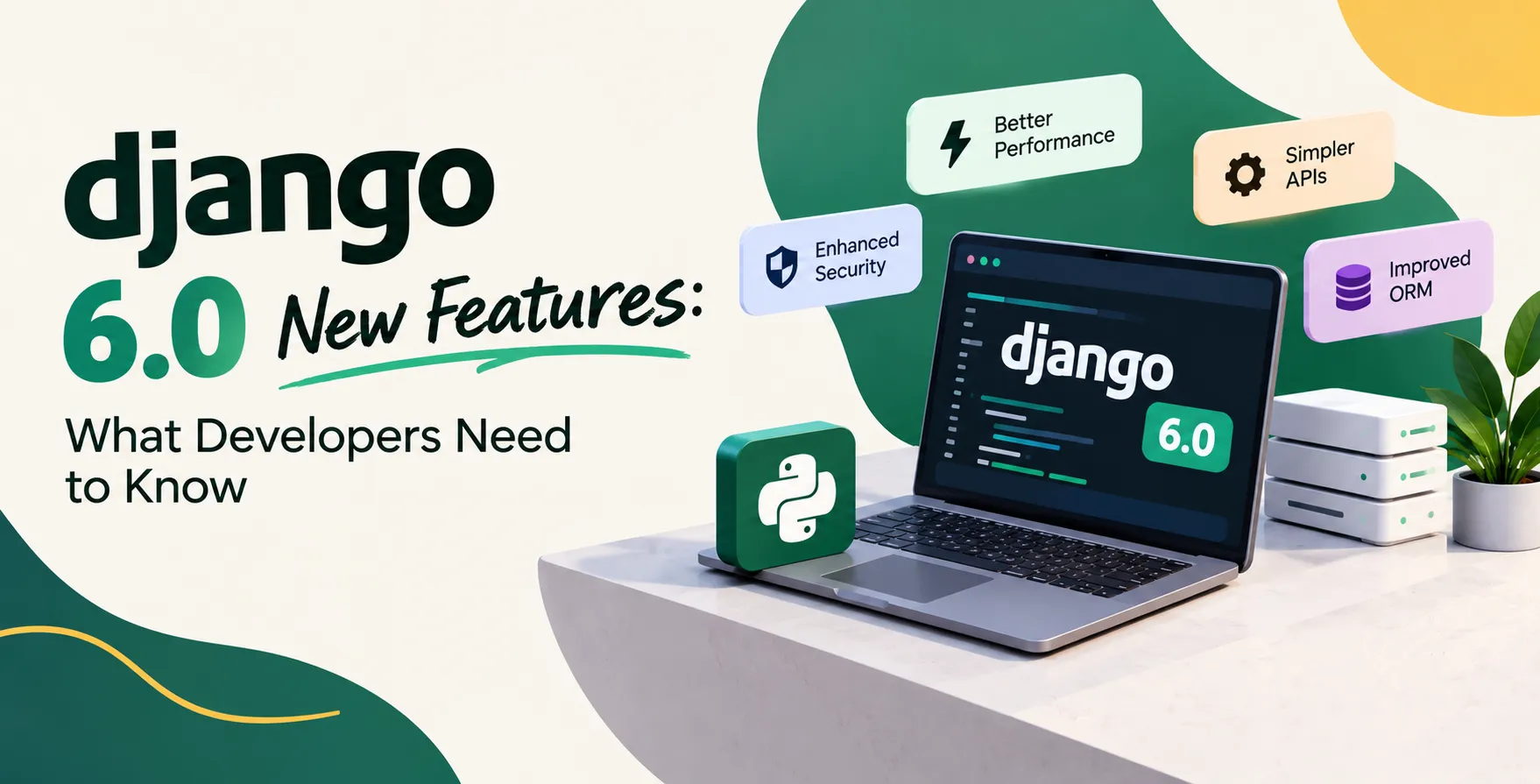
The release of a new major version is always a milestone for the Python web development community. Django 6.0 represents a significant leap forward in stability, performance, and developer ergonomics. For teams managing large-scale infrastructure, understanding these updates is essential for maintaining a competitive edge.
This release builds upon the solid foundation of its predecessors. It introduces smarter defaults and more robust internal mechanisms to handle modern traffic patterns. If you are preparing for a migration, now is the time to audit your codebase.
- Increased framework stability
- Enhanced performance benchmarks
- Modernized Python support
Performance Improvements in the Core
Performance remains the top priority for the core team in this release. By optimizing internal query processing, the framework reduces the overhead of common operations. These changes allow applications to handle higher request concurrency with lower memory usage.
Developers will notice that standard request-response cycles feel snappier. This optimization is particularly beneficial for high-traffic platforms that require low latency. The internal refactoring ensures that even complex object-relational mapping calls remain efficient.
- Faster query compilation
- Reduced object instantiation overhead
- Optimized internal serialization
Database Optimization and Compatibility
Modern applications rely heavily on robust data layers. The new version introduces tighter integration with advanced database features, ensuring that developers can leverage the latest backend capabilities effectively. When integrating with systems like PostgreSQL 18, you will find improved connection handling and type support.
Ensuring compatibility with evolving database schemas is a constant challenge for engineering teams. This release makes it easier to manage migrations while maintaining high data integrity. It provides more granular control over transaction management and connection pooling strategies.
- Improved connection persistence
- Better dialect support
- Simplified migration syntax
- Enhanced index management
Asynchronous Capabilities Expansion
The shift toward asynchronous programming has redefined how we build scalable web applications. Django 6.0 further expands its support for async views and middleware, making it easier to integrate non-blocking I/O operations. This is a critical step for developers building real-time features.
You can now handle long-running tasks without blocking the main event loop. This improvement allows for more responsive applications when dealing with external API calls or websocket connections. It represents the maturation of the framework's async-first vision.
- Expanded async middleware support
- Non-blocking database operations
- Improved event loop integration
Security Hardening for Modern Apps
Security is not optional in modern software engineering. The latest release introduces stricter defaults for session management and cross-site scripting prevention. These updates ensure that your production environments remain resilient against emerging threats.
Teams should review their configuration settings to ensure full alignment with these security protocols. The framework now provides clearer warnings for insecure setups. This proactive approach helps mitigate risks before they reach the deployment phase.
- Stronger default encryption
- Improved header handling
- Automated security audits
Template Engine Enhancements
The template engine has received several quality-of-life updates that simplify UI development. These changes focus on reducing boilerplate and providing better error reporting during rendering. Developers can now build cleaner, more maintainable frontend code.
These features allow for more expressive template logic without sacrificing readability. By refining the tag system, the framework makes it easier to modularize complex views. This leads to cleaner codebases and faster development cycles.
- Improved error diagnostics
- Flexible tag syntax
- Faster rendering paths
Refined Admin Interface Features
The Django admin remains a standout feature for many teams. The new version introduces a more intuitive dashboard layout and enhanced filtering capabilities. These changes help administrators manage complex data structures with significantly less friction.
Customizing the admin interface is now more straightforward than ever before. You can implement custom views and widgets without fighting the framework's internal logic. This flexibility is a huge win for internal tool development.
- Responsive dashboard layout
- Enhanced search filtering
- Simplified widget configuration
Streamlined Middleware Handling
Middleware is the backbone of request processing in any web application. The latest update introduces a cleaner interface for defining and ordering middleware layers. This makes the execution flow more predictable and easier to debug.
By reducing the complexity of the middleware stack, the framework helps developers avoid common pitfalls. This predictability is vital for maintaining security and performance across different environments. It also simplifies the process of integrating third-party packages.
- Clearer execution order
- Optimized request pipeline
- Simplified error handling
Deprecation and Modernization
Every major release marks the end of life for older features. It is crucial to identify deprecated methods early to avoid breaking changes during your deployment. The framework now provides clearer documentation and deprecation warnings to guide your refactoring efforts.
Modernizing your codebase is an investment in long-term maintainability. By removing technical debt, your team can focus on building new features rather than patching legacy systems. Take the time to audit your project for these warnings.
- Removed legacy support
- Updated API methods
- Stricter syntax requirements
Planning Your Django 6 Upgrade
| Phase |
Action Item |
Goal |
| Audit |
Review deprecation logs |
Identify blocking issues |
| Test |
Run comprehensive tests |
Ensure feature parity |
| Stage |
Deploy to staging |
Validate performance |
| Deploy |
Gradual rollout |
Minimize downtime |
A successful Django 6 upgrade requires careful planning and execution. Start by updating your development dependencies and running the full test suite. Address any deprecation warnings before attempting a production migration.
Communication is vital when upgrading core dependencies. Ensure your entire team understands the changes and is prepared to handle potential edge cases. A methodical approach will ensure a smooth transition to the new framework version.
Impact on Custom Web Development
For agencies providing custom web development, these updates translate to more efficient project delivery. Using a modern, performant framework allows developers to build scalable solutions faster. Clients benefit from improved site reliability and security standards.
Staying current with the latest releases is a core part of professional development services. It ensures that the solutions we deliver are built on stable, future-proof foundations. This consistency is essential for long-term client success.
- Faster time-to-market
- Increased application reliability
- Improved client satisfaction
Developer Productivity Enhancements
Productivity is at the heart of why developers choose this framework. The latest release introduces several CLI improvements and better debug information. These tools significantly reduce the time spent on troubleshooting and configuration tasks.
By focusing on developer experience, the community ensures that the framework remains accessible and enjoyable to use. Better tooling means less frustration and more time spent on business logic. This is the hallmark of a healthy, growing project.
- Enhanced CLI feedback
- Better error messaging
- Improved IDE integration
Comparing Framework Versions
Comparing the new version against previous iterations reveals a clear focus on maturity. While the core philosophy remains the same, the internal mechanics are more robust. The table below highlights the key differences between the previous release and the latest version.
| Capability |
Previous Version |
Django 6.0 |
| Async Support |
Basic |
Expanded |
| Database Queries |
Standard |
Optimized |
| Security Defaults |
Moderate |
Strict |
| Template Speed |
High |
Higher |
Developers who adopt these changes early will see immediate benefits in system performance. The transition period is the perfect time to optimize your existing architecture. Leverage these improvements to build better applications.
Conclusion
Django 6.0 brings a wealth of improvements that every developer should take seriously. From performance gains to security hardening, the updates reflect the ongoing evolution of the framework. Understanding these changes is the first step toward a successful migration and a more robust application.
Take the time to review your current codebase and prepare for the upgrade process. By staying proactive, you can ensure your projects remain stable, performant, and secure. Embrace the latest features to unlock new possibilities in your development workflow.


 In collaboration with