Table of Contents
- Introduction to Vibe Coding
- What is Vibe Coding?
- Benefits of Vibe Coding for Startups
- AI Coding Tools for Vibe Coding
- Challenges in Implementing Vibe Coding
- Real-Life Examples of Vibe Coding Success
- How Vibe Coding Changes Software Development
- Best Practices for Adopting Vibe Coding
- Vibe Coding and Team Collaboration
- Security Considerations in Vibe Coding
- The Future of Vibe Coding in Software Development
- Conclusion
Introduction to Vibe Coding
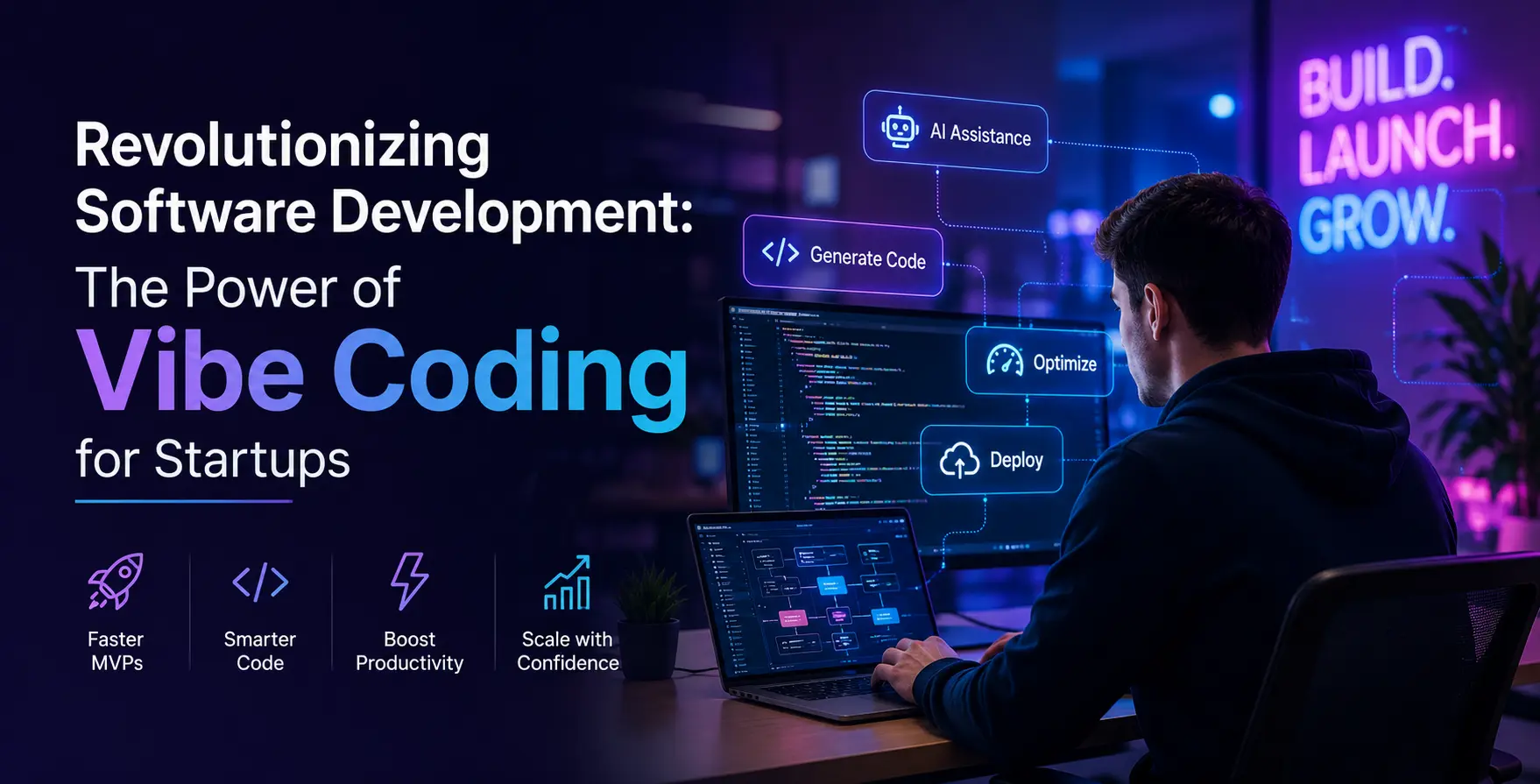
Startups are constantly looking for ways to innovate and stay ahead of the competition. One approach that's gaining traction is vibe coding, which utilizes AI coding tools to enhance software development.
Vibe coding is about creating a seamless development experience, leveraging AI to predict and automate coding tasks.
This method can significantly reduce development time and improve code quality.
What is Vibe Coding?
Vibe coding is an innovative software development approach that integrates AI and machine learning into the coding process. It helps developers write better code faster by suggesting improvements and automating repetitive tasks.
The core idea is to create a collaborative environment where humans and AI work together to produce high-quality software.
This harmonious collaboration is what gives vibe coding its name, emphasizing the synergy between human intuition and AI capability.
- Enhances developer productivity
- Improves code quality and reliability
- Facilitates faster time-to-market
Benefits of Vibe Coding for Startups
For startups, adopting vibe coding can be a game-changer. It allows them to develop software quickly and efficiently, which is crucial in today's fast-paced tech landscape.
Vibe coding also enables startups to compete with larger, more established companies by leveraging AI-driven development tools.
This approach can lead to significant cost savings and improved product quality.
AI Coding Tools for Vibe Coding
A variety of AI coding tools are available to support vibe coding. These tools can analyze code, predict errors, and even write code snippets.
Some popular AI coding tools include code completion platforms, code review tools, and automated testing frameworks.
These tools are designed to augment the capabilities of human developers, not replace them.
- Code Completion: AI completes code based on context
- Code Review: AI analyzes code for errors and best practices
- Automated Testing: AI generates and runs tests
- Project Management: AI assists in planning and tracking
Challenges in Implementing Vibe Coding
Despite its benefits, implementing vibe coding can be challenging. One of the main hurdles is the initial investment in AI tools and training for the development team.
Additionally, there might be resistance from developers who are used to traditional coding methods.
Integrating AI into the development workflow also requires careful consideration of ethical and security issues.
Real-Life Examples of Vibe Coding Success
Several startups have successfully adopted vibe coding, achieving significant improvements in their development processes.
For example, a fintech startup used AI coding tools to reduce its development time by 40% and improve code quality by 30%.
Another example is a health tech startup that leveraged vibe coding to develop an AI-powered diagnosis platform, which is now used by hospitals worldwide.
- Reduced development time by up to 50%
- Improved code quality and reliability
- Enhanced team productivity and morale
How Vibe Coding Changes Software Development
Vibe coding is revolutionizing the software development landscape. It's shifting the focus from manual, time-consuming coding to a more collaborative, AI-driven process.
This change enables developers to focus on high-level tasks, such as design and strategy, while AI handles more mundane coding tasks.
The result is faster, more efficient software development that meets the needs of today's digital world.
Best Practices for Adopting Vibe Coding
To successfully adopt vibe coding, startups should start by assessing their current development processes and identifying areas where AI can add the most value.
They should also invest in training their developers to work effectively with AI tools and foster a culture of collaboration between humans and AI.
Regularly monitoring the impact of vibe coding and making adjustments as needed is also crucial.
- Assess current development processes
- Invest in developer training
- Foster a collaborative culture
- Monitor and adjust
- Stay updated with the latest AI tools and trends
Vibe Coding and Team Collaboration
Vibe coding emphasizes the importance of team collaboration. When developers work together with AI, they can leverage each other's strengths to produce better software.
This collaborative approach also enhances knowledge sharing and learning within the team, as developers learn from AI suggestions and feedback.
Effective communication and a willingness to adapt are key to successful team collaboration in vibe coding.
Security Considerations in Vibe Coding
As with any technology that involves AI and automation, security is a critical consideration in vibe coding. Startups must ensure that their AI tools are secure and that they follow best practices for data protection.
This includes encrypting sensitive data, regularly updating AI tools, and monitoring for potential vulnerabilities.
By prioritizing security, startups can mitigate risks and ensure the integrity of their software development process.
The Future of Vibe Coding in Software Development
The future of vibe coding looks promising, with ongoing advancements in AI and machine learning expected to further enhance its capabilities.
As vibe coding continues to evolve, it will play an increasingly important role in shaping the software development landscape, enabling startups and established companies alike to innovate and thrive.
By embracing vibe coding and its potential, businesses can stay ahead of the curve and achieve their development goals more efficiently than ever before.
Conclusion
Vibe coding, powered by AI software development tools, is transforming the way startups build software. By understanding the benefits, challenges, and best practices of vibe coding, startups can harness its potential to drive innovation and growth.
As the tech landscape continues to evolve, adopting vibe coding can be a strategic move for startups looking to stay competitive and achieve success in the digital age.
By embracing the future of software development, startups can unlock new possibilities and create software that makes a real impact.


 In collaboration with