Table of Contents
- Introduction to Remote Patient Monitoring
- What is Remote Patient Monitoring?
- Benefits of Remote Patient Monitoring
- Remote Patient Monitoring Devices
- AI in Remote Patient Monitoring
- Digital Health Monitoring
- Challenges in Remote Patient Monitoring
- Future of Remote Patient Monitoring
- Real-Life Examples of Remote Patient Monitoring
- How Remote Patient Monitoring Works
- Why Remote Patient Monitoring is Important
- Conclusion
Introduction to Remote Patient Monitoring
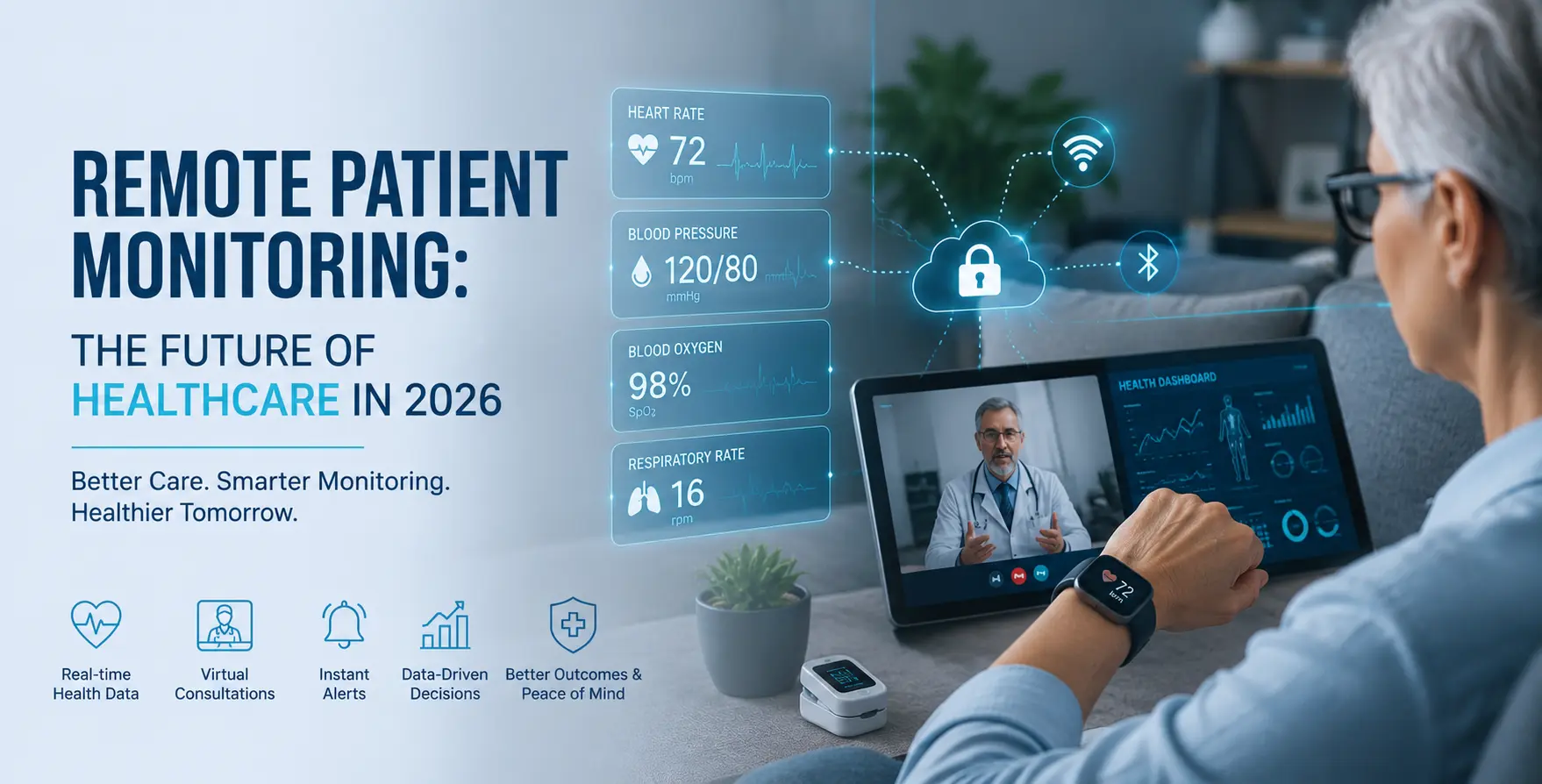
Remote patient monitoring is a new approach in healthcare. It involves using technology to monitor patients remotely.
This approach is changing the way healthcare is delivered. Patients can now receive care from the comfort of their homes.
Remote patient monitoring is made possible by remote patient monitoring devices and AI in remote patient monitoring.
What is Remote Patient Monitoring?
Remote patient monitoring is the use of technology to monitor patients outside of traditional healthcare settings. It involves the use of remote patient monitoring devices to collect patient data.
This data is then analyzed using AI in remote patient monitoring to identify any potential health issues.
Remote patient monitoring is a key aspect of digital health monitoring.
- Uses technology to monitor patients remotely
- Includes the use of remote patient monitoring devices
- Analyzes patient data using AI
Benefits of Remote Patient Monitoring
Remote patient monitoring has several benefits. It improves patient outcomes and reduces healthcare costs.
Remote patient monitoring also increases patient engagement and satisfaction.
Additionally, it reduces the burden on healthcare providers.
- Improves patient outcomes
- Reduces healthcare costs
- Increases patient engagement and satisfaction
- Reduces burden on healthcare providers
- Enhances patient safety
Remote Patient Monitoring Devices
Remote patient monitoring devices are used to collect patient data. These devices can be worn on the body or used at home.
Examples of remote patient monitoring devices include blood pressure monitors and glucose meters.
These devices are connected to the internet, allowing for real-time monitoring.
- Blood pressure monitors
- Glucose meters
- Activity trackers
AI in Remote Patient Monitoring
AI in remote patient monitoring is used to analyze patient data. It can identify patterns and predict potential health issues.
AI can also provide personalized recommendations for patients.
This improves patient outcomes and enhances the overall quality of care.
- Analyzes patient data
- Identifies patterns and predicts health issues
- Provides personalized recommendations
Digital Health Monitoring
Digital health monitoring is a broader concept that includes remote patient monitoring. It involves the use of technology to monitor and manage health.
Digital health monitoring can include telehealth, mobile health, and wearable devices.
It has the potential to transform the healthcare industry.
Challenges in Remote Patient Monitoring
Despite the benefits, remote patient monitoring faces several challenges. These include data privacy and security concerns.
Additionally, there may be issues with internet connectivity and device compatibility.
Addressing these challenges is crucial for the success of remote patient monitoring.
- Data privacy and security concerns
- Internet connectivity issues
- Device compatibility problems
Future of Remote Patient Monitoring
The future of remote patient monitoring is promising. With advancements in technology, remote patient monitoring is becoming more efficient.
The use of AI in remote patient monitoring is expected to increase.
This will lead to better patient outcomes and improved healthcare services.
Real-Life Examples of Remote Patient Monitoring
There are several real-life examples of remote patient monitoring. For instance, patients with chronic conditions can use remote patient monitoring devices to track their health.
Healthcare providers can then use this data to provide personalized care.
This approach has shown significant improvements in patient outcomes.
How Remote Patient Monitoring Works
Remote patient monitoring works by using remote patient monitoring devices to collect patient data. This data is then transmitted to healthcare providers.
Healthcare providers can then use this data to monitor patients remotely and provide care as needed.
This approach enables healthcare providers to respond quickly to any changes in a patient's condition.
Why Remote Patient Monitoring is Important
Remote patient monitoring is important because it improves patient outcomes and reduces healthcare costs. It also increases patient engagement and satisfaction.
Additionally, it reduces the burden on healthcare providers and enhances patient safety.
Remote patient monitoring is a key aspect of digital health monitoring and has the potential to transform the healthcare industry.
Conclusion
Remote patient monitoring is the future of healthcare. With the use of remote patient monitoring devices and AI in remote patient monitoring, digital health monitoring is becoming more efficient.
Remote patient monitoring has several benefits, including improved patient outcomes and reduced healthcare costs.
As technology continues to evolve, remote patient monitoring is expected to play an increasingly important role in the healthcare industry.


 In collaboration with