Table of Contents
- Introduction to Embedded Finance
- What is Embedded Finance?
- How Embedded Payments Work
- Banking as a Service (BaaS) Explained
- Benefits of Embedded Lending
- Challenges in Embedded Finance
- Real-Life Examples of Embedded Finance
- How Non-Banks Are Using Embedded Finance
- Future of Embedded Finance
- Regulatory Environment for Embedded Finance
- Security Concerns in Embedded Finance
- Conclusion
Introduction to Embedded Finance
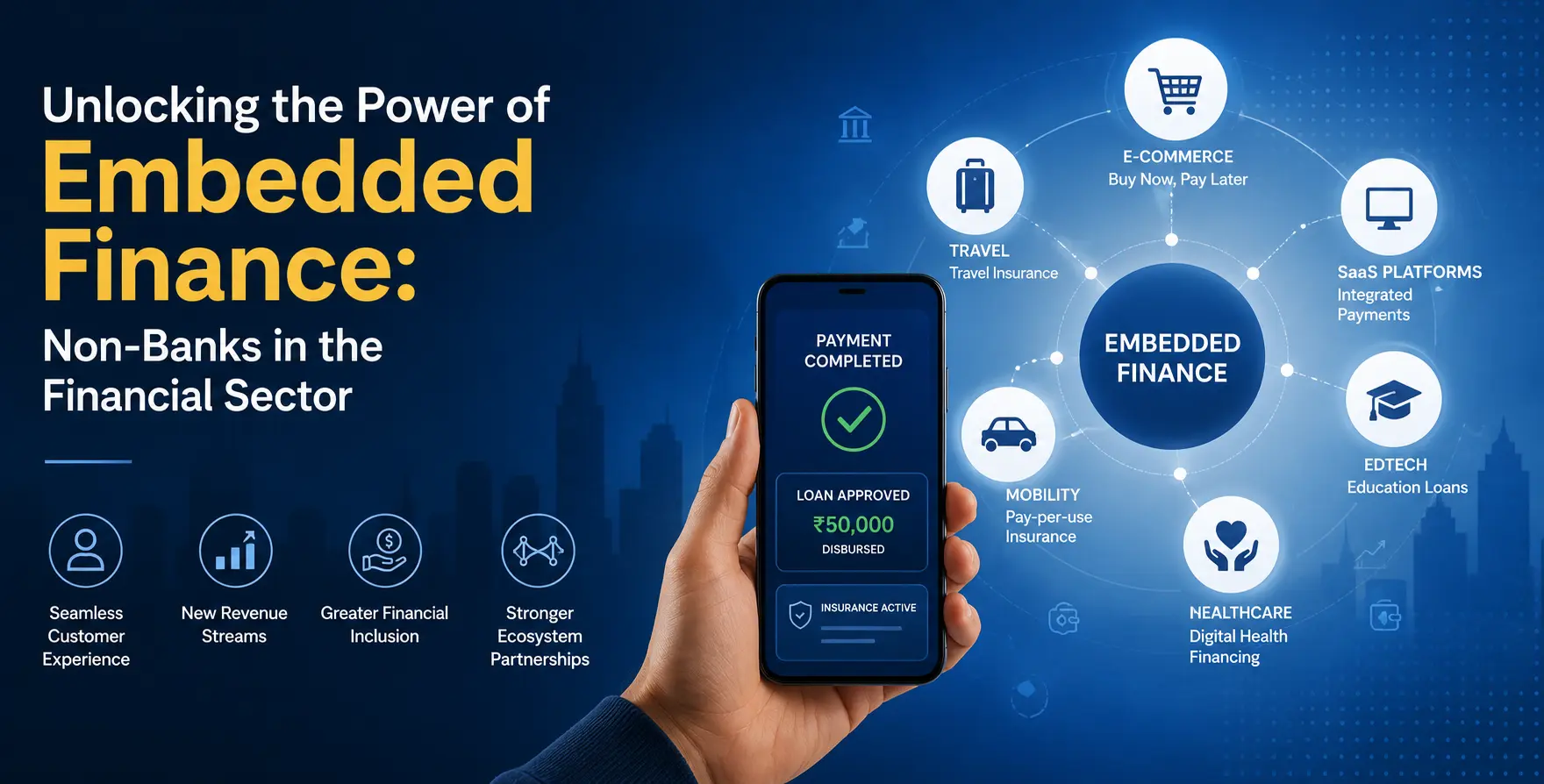
Embedded finance is a new approach to financial services. It allows non-banks to offer loans and payments.
This is made possible through technology. Companies can now integrate financial services into their platforms.
Users can access these services without leaving the platform.
- Increased convenience for users
- New revenue streams for non-banks
- Improved user experience
What is Embedded Finance?
Embedded finance refers to the integration of financial services into non-financial platforms.
This can include loans, payments, and other services. The goal is to provide a seamless user experience.
Embedded finance uses APIs and other technologies to achieve this integration.
How Embedded Payments Work
Embedded payments allow users to make payments without leaving the platform.
This is done through APIs and other technologies. The payment process is seamless and secure.
Users can pay for goods and services easily.
- Seamless payment experience
- Secure transactions
- Convenient for users
- Increased conversion rates
Banking as a Service (BaaS) Explained
Banking as a Service (BaaS) is a key enabler of embedded finance.
BaaS allows non-banks to offer financial services. This is done through partnerships with licensed banks.
Non-banks can focus on their core business while offering financial services.
Benefits of Embedded Lending
Embedded lending offers several benefits. It provides users with access to credit.
This can be particularly useful for small businesses and individuals.
Embedded lending also offers a new revenue stream for non-banks.
- Increased access to credit
- New revenue streams for non-banks
- Improved user experience
- Competitive advantage for non-banks
- Cost savings for users
Challenges in Embedded Finance
Embedded finance faces several challenges. Regulatory compliance is a major issue.
Security concerns are also a challenge. User data must be protected.
Non-banks must also navigate complex financial regulations.
Real-Life Examples of Embedded Finance
There are many real-life examples of embedded finance. Companies like PayPal and Stripe offer embedded payments.
Other companies, like Square and Shopify, offer embedded lending.
These companies have successfully integrated financial services into their platforms.
- PayPal: embedded payments
- Stripe: embedded payments
- Square: embedded lending
- Shopify: embedded lending
How Non-Banks Are Using Embedded Finance
Non-banks are using embedded finance to offer a range of financial services.
This includes loans, payments, and other services. Non-banks are partnering with licensed banks to achieve this.
The goal is to provide a seamless user experience.
Future of Embedded Finance
The future of embedded finance looks bright. More companies are expected to adopt embedded finance.
This will provide users with more access to financial services. It will also create new revenue streams for non-banks.
Regulatory compliance and security concerns will be key challenges.
Regulatory Environment for Embedded Finance
The regulatory environment for embedded finance is complex. Non-banks must comply with financial regulations.
This includes regulations related to lending and payments. Non-banks must also ensure user data is protected.
Regulatory compliance is a major challenge for embedded finance.
Security Concerns in Embedded Finance
Security concerns are a major challenge for embedded finance. User data must be protected.
This includes sensitive financial information. Non-banks must ensure their platforms are secure.
This will help to build trust with users.
Conclusion
Embedded finance is a new approach to financial services. It allows non-banks to offer loans and payments.
This is made possible through technology. Companies can now integrate financial services into their platforms.
Users can access these services without leaving the platform.


 In collaboration with